Garage Doors in New Hamburg, OntarioA frayed cableis a warning.
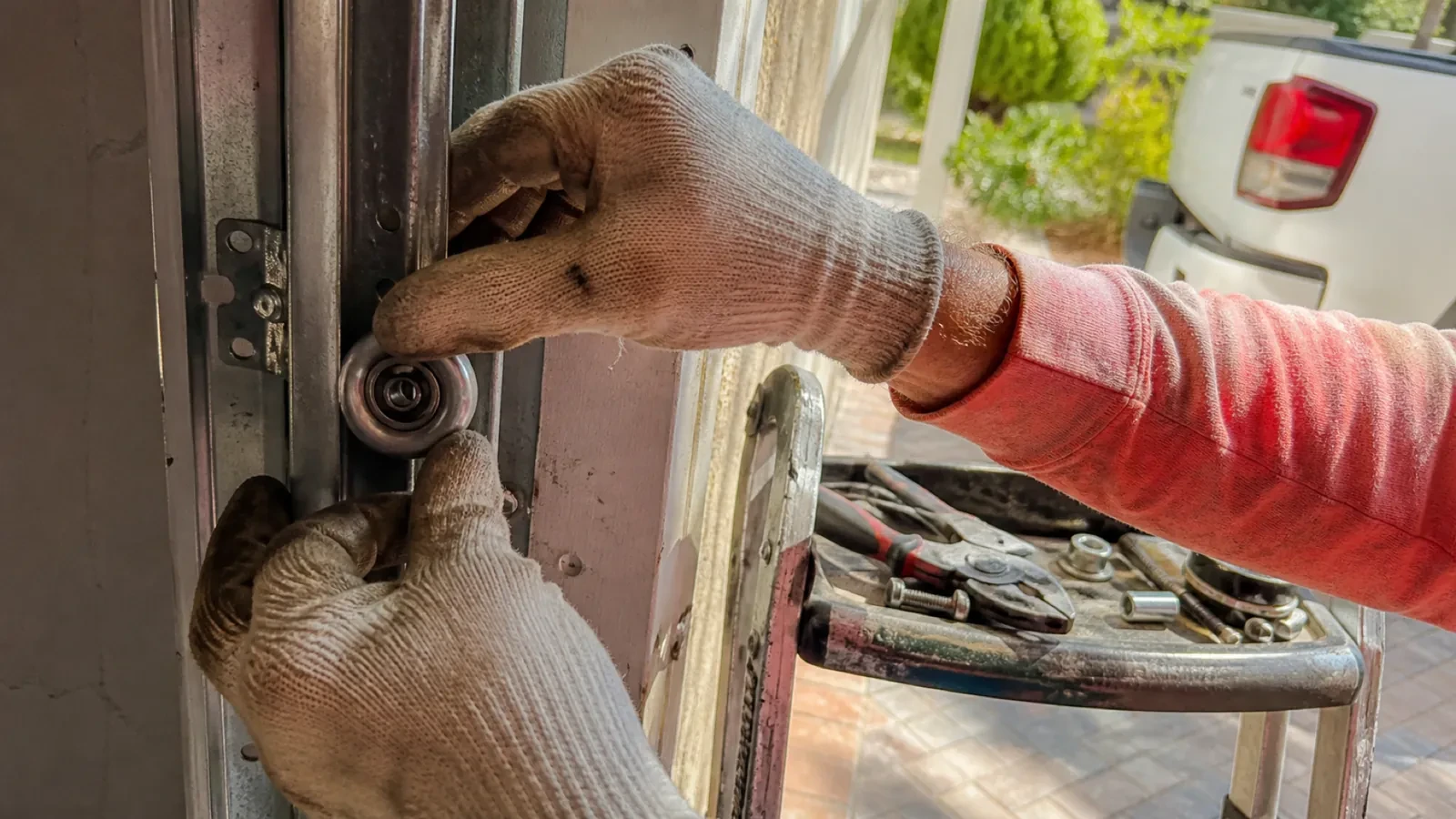
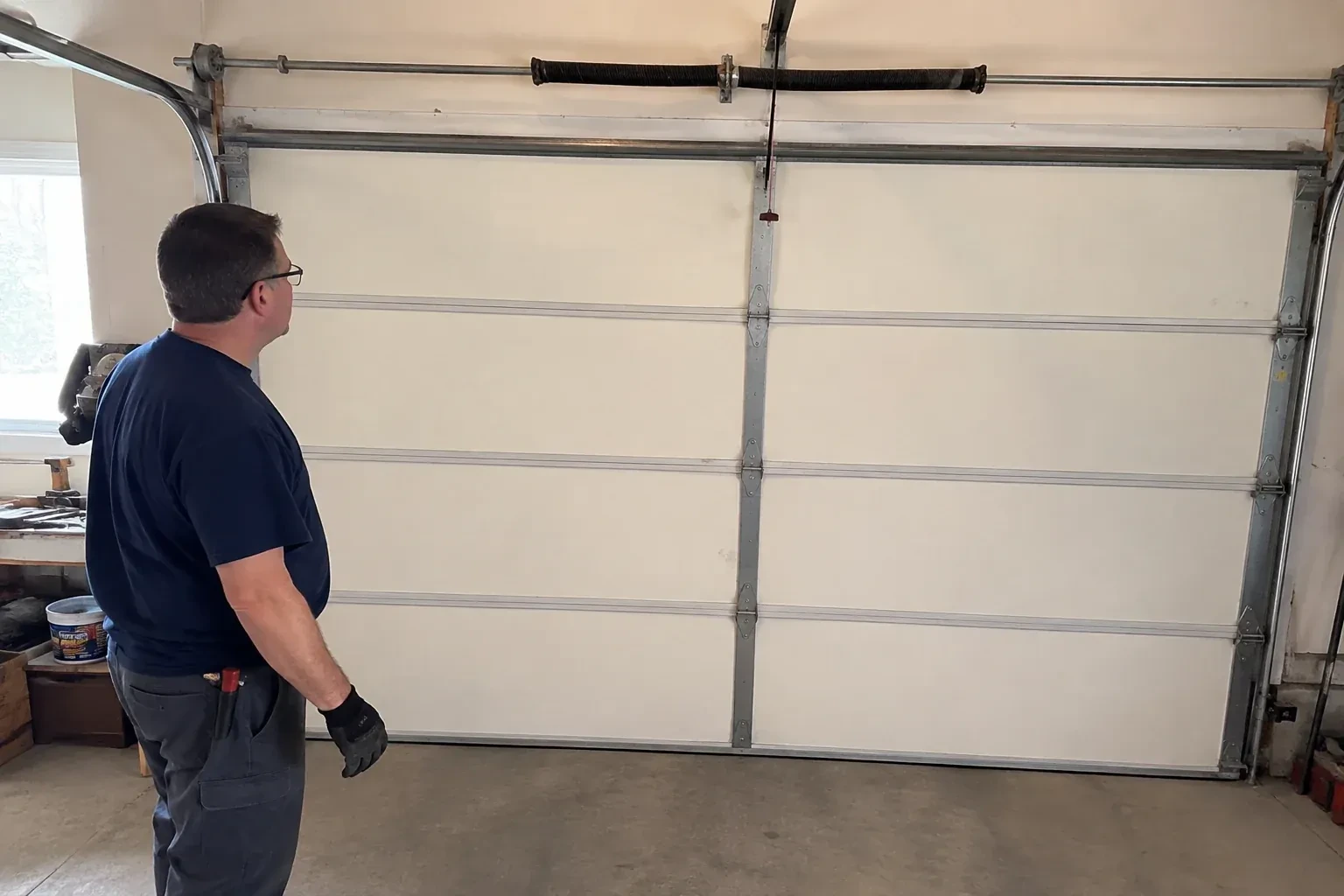
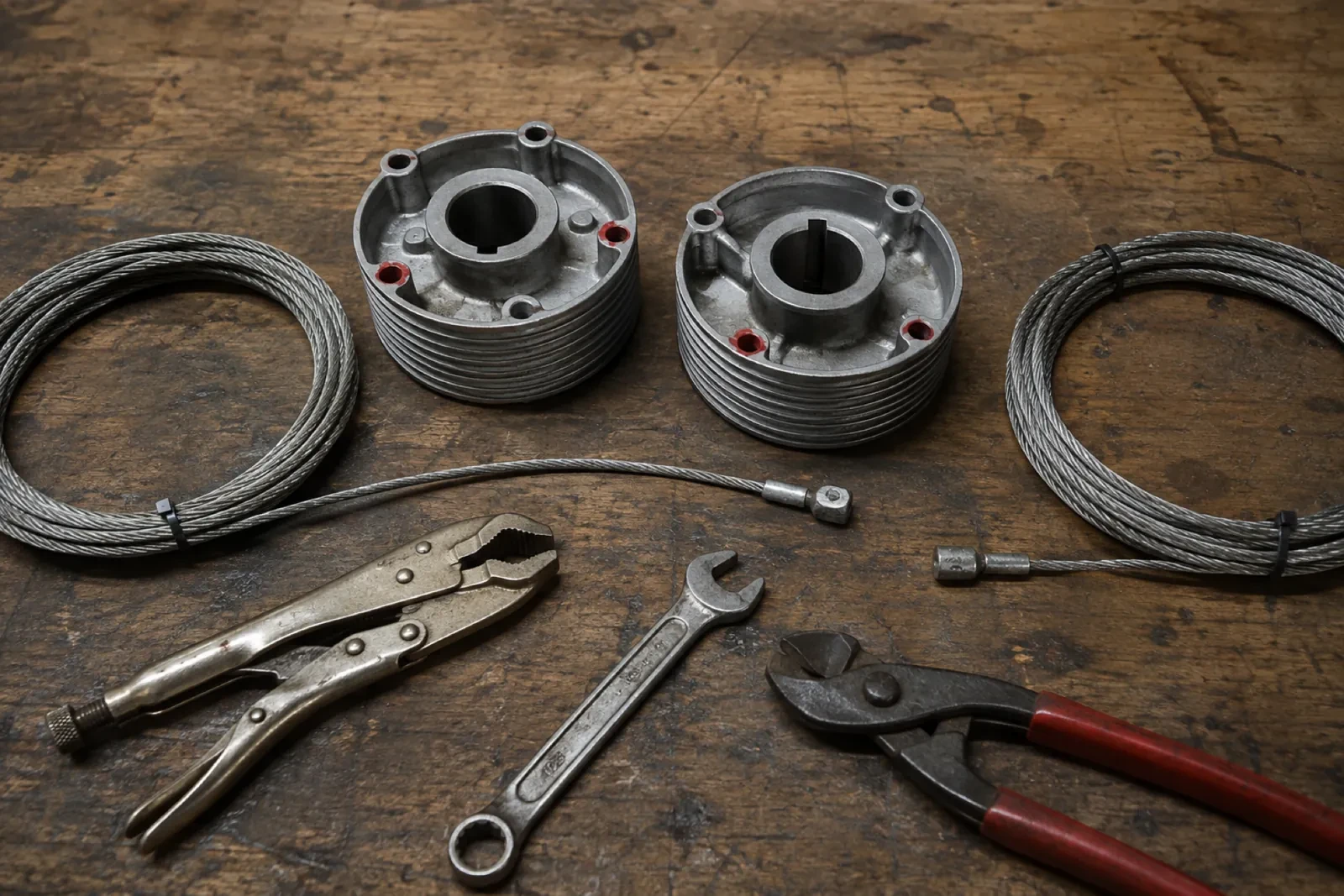
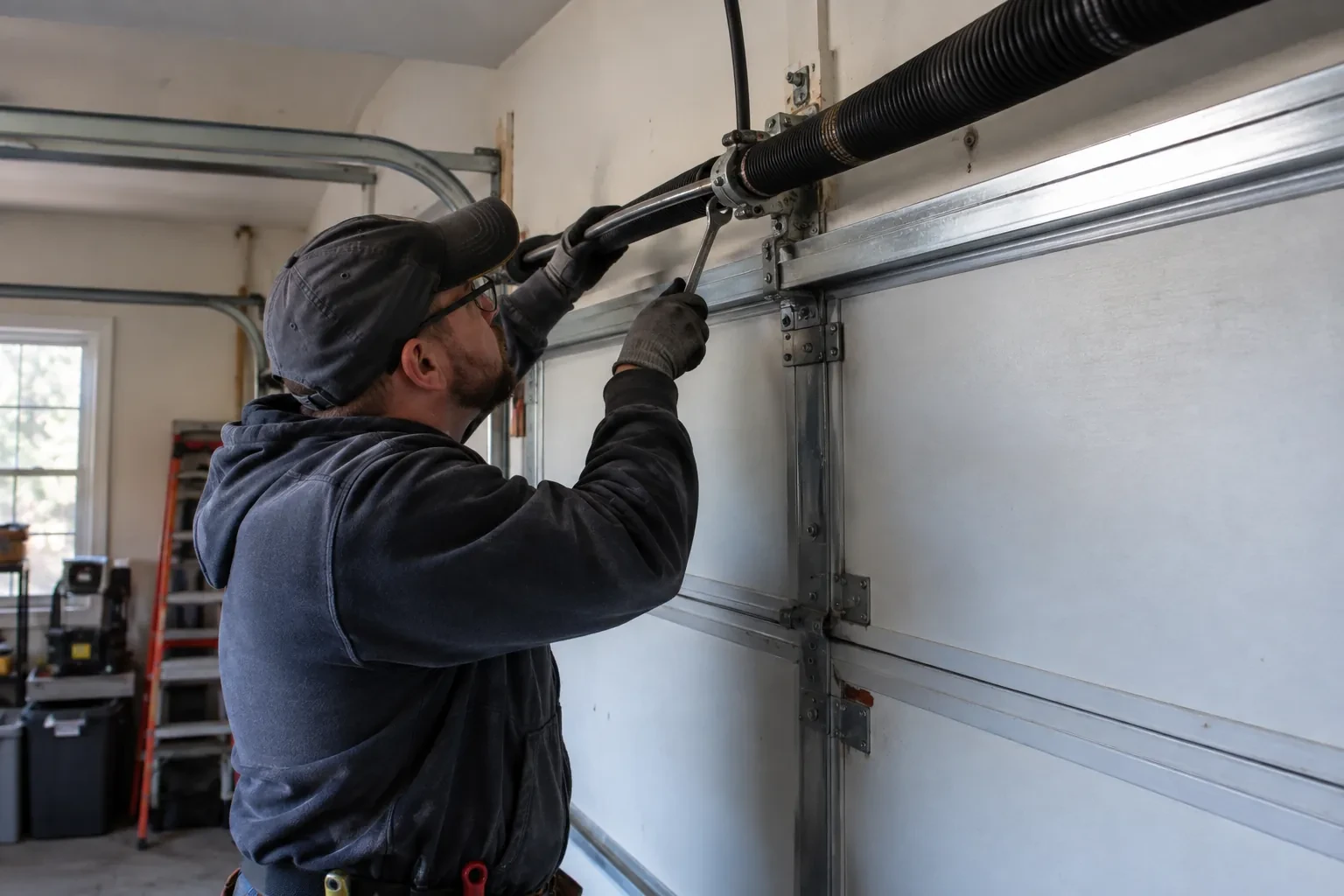
Lifting cables on a door in New Hamburg show their age as a few broken strands near the bottom bracket, long before they snap. We inspect them on every visit, replace both cables together with new bottom fixtures, and check the drums and bearings that wear alongside them so the door lifts evenly. Calls from Tavistock and Punkeydoodles Corners are covered too.
Lifting cables on a door in New Hamburg show their age as a few broken strands near the bottom bracket, long before they snap. We inspect them on every visit, replace both cables together with new bottom fixtures, and check the drums and bearings that wear alongside them so the door lifts evenly. Calls from Tavistock and Punkeydoodles Corners are covered too.
The garage door people.
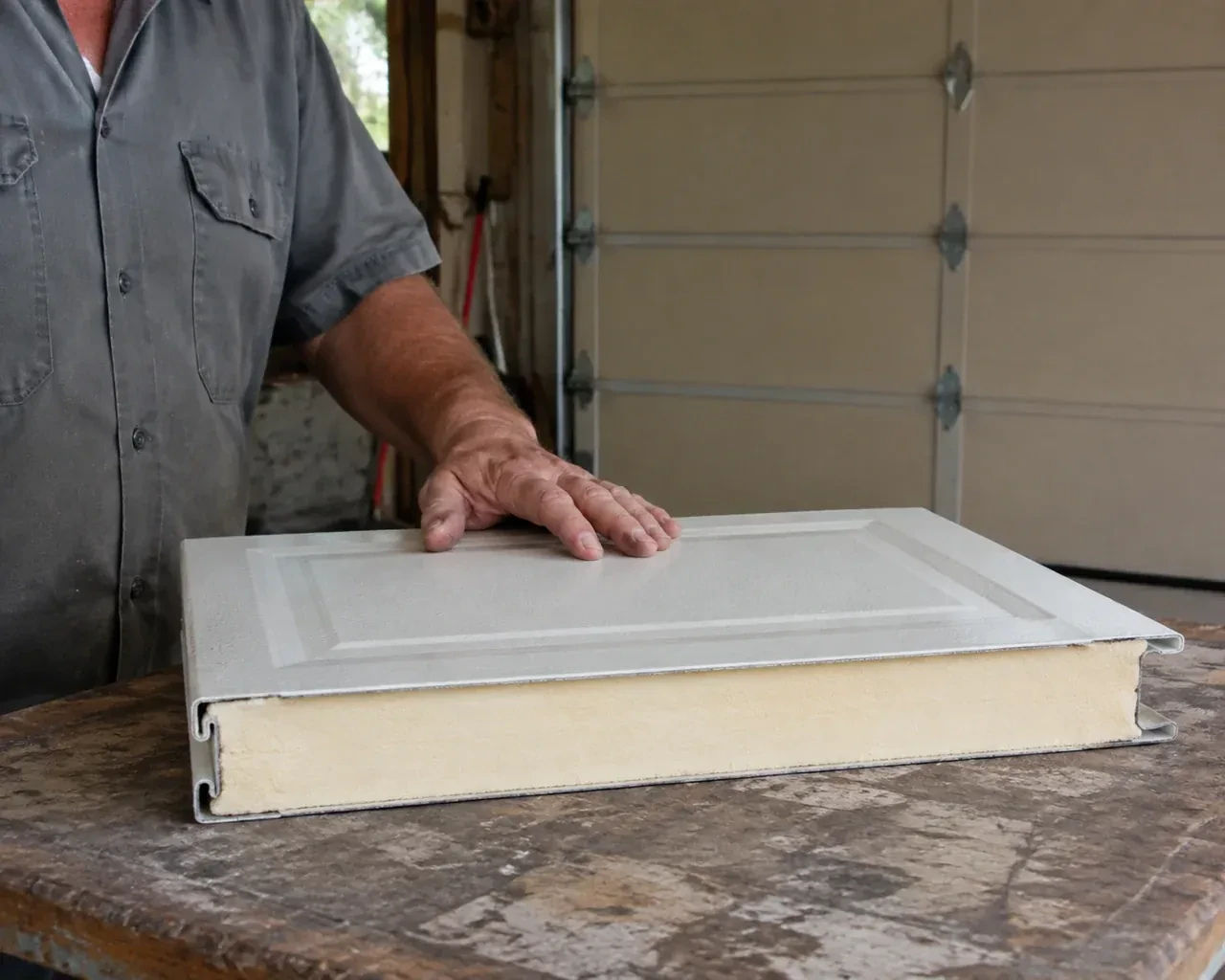
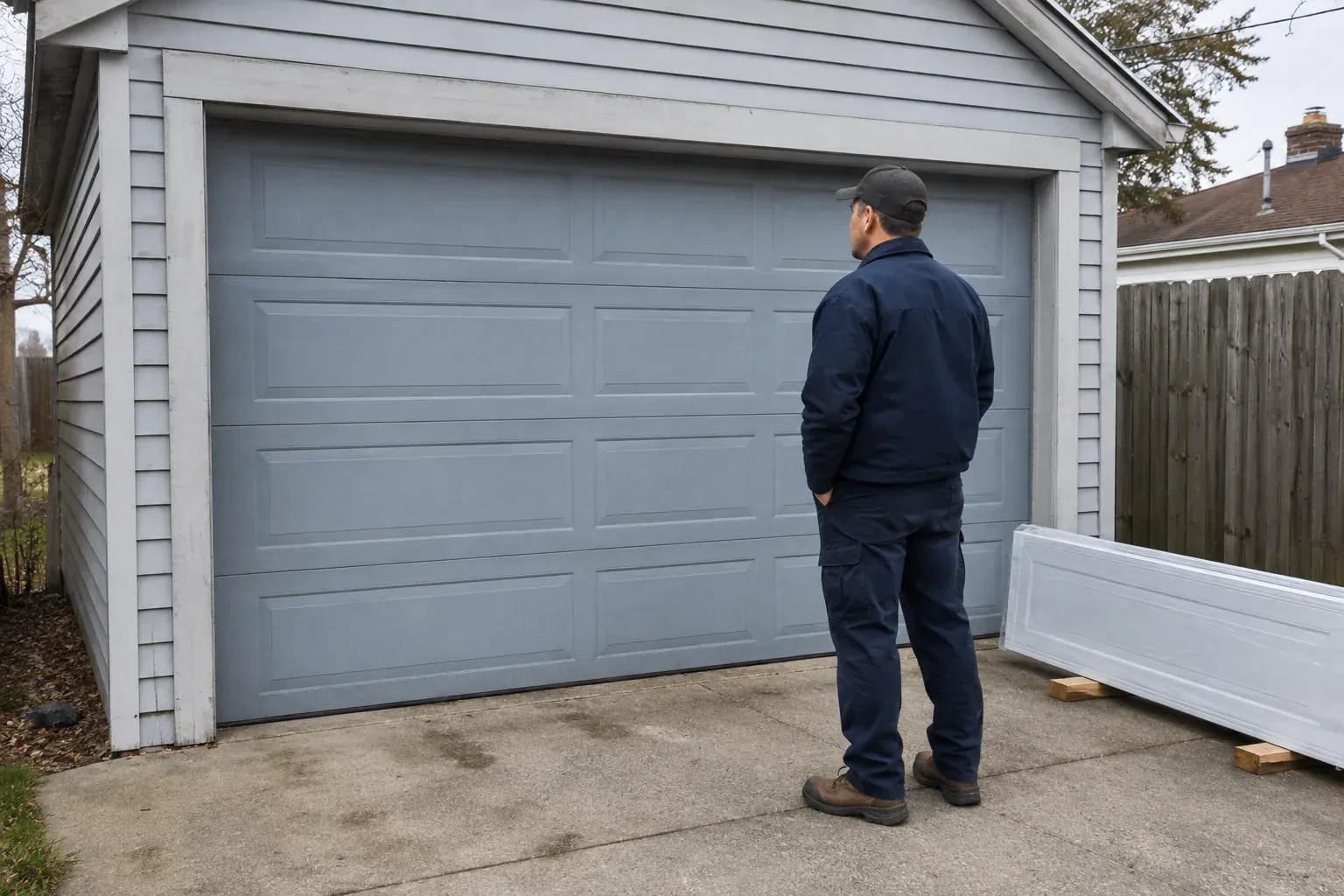
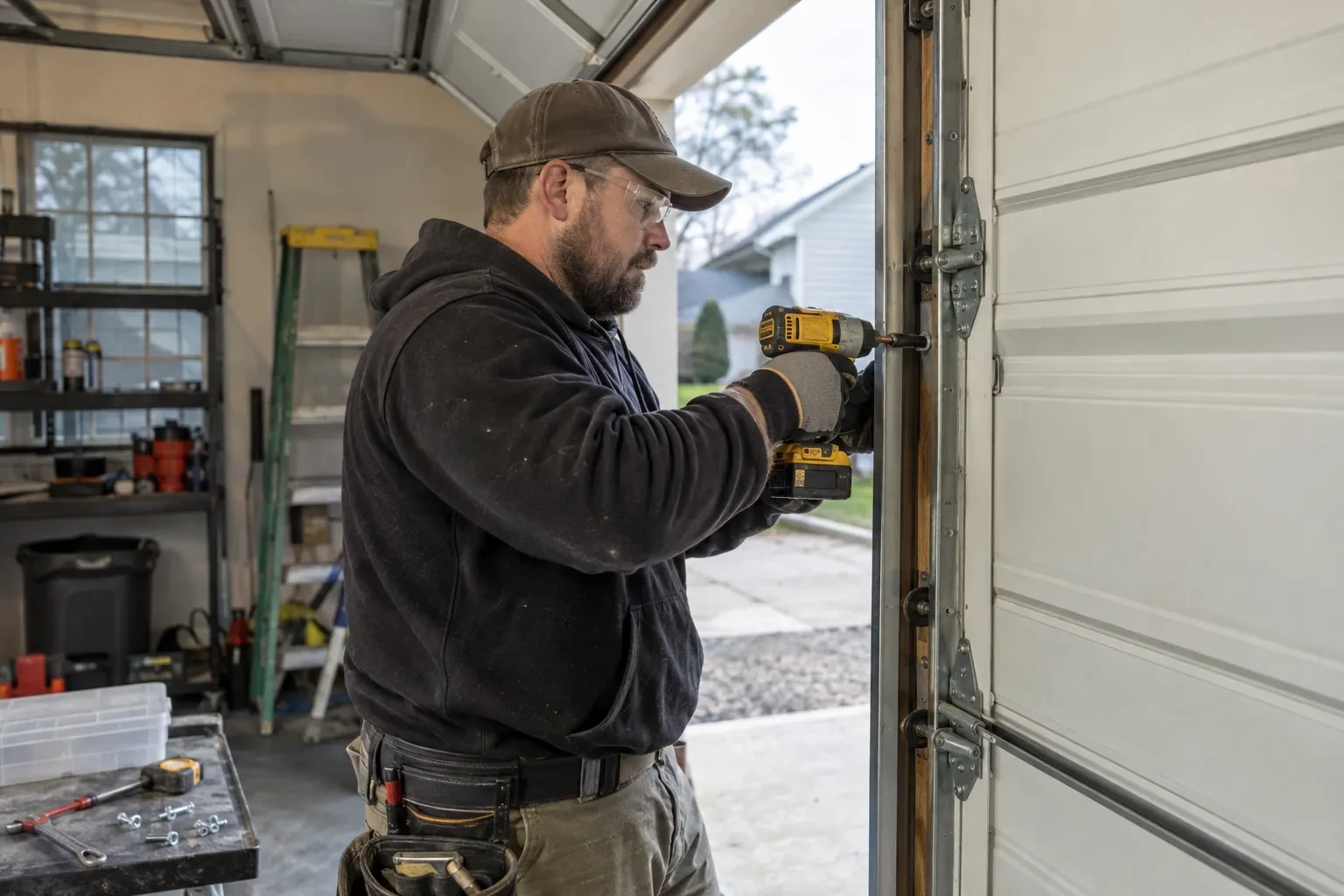
A new door for a home in New Hamburg is planned with more time than a repair. We measure the opening and headroom, talk through insulation, windows, colour and panel style, show samples at the house, and install the door and its hardware plumb, level and balanced so it looks and runs right from the first day.
Our approach in New Hamburg is the same one that built the company: look at the whole door, explain what was found in ordinary words, offer sensible choices and do the work carefully. Whether the visit is a single roller or a complete new door with a new opener, the household ends up with a door that works and a clear understanding of what was done.
11years in business
24/7open every day
Real explanations. Every recommendation comes with the reason behind it, in words that make sense to someone who has never opened an opener.
Care in your space. We work around bikes, tools and vehicles carefully, protect what needs protecting, and leave the garage clean.
No pushing. You hear the choices once, clearly. Whether to go ahead, wait or take a different route is yours to decide.
Book a repair, tune-up or new door in New Hamburg.
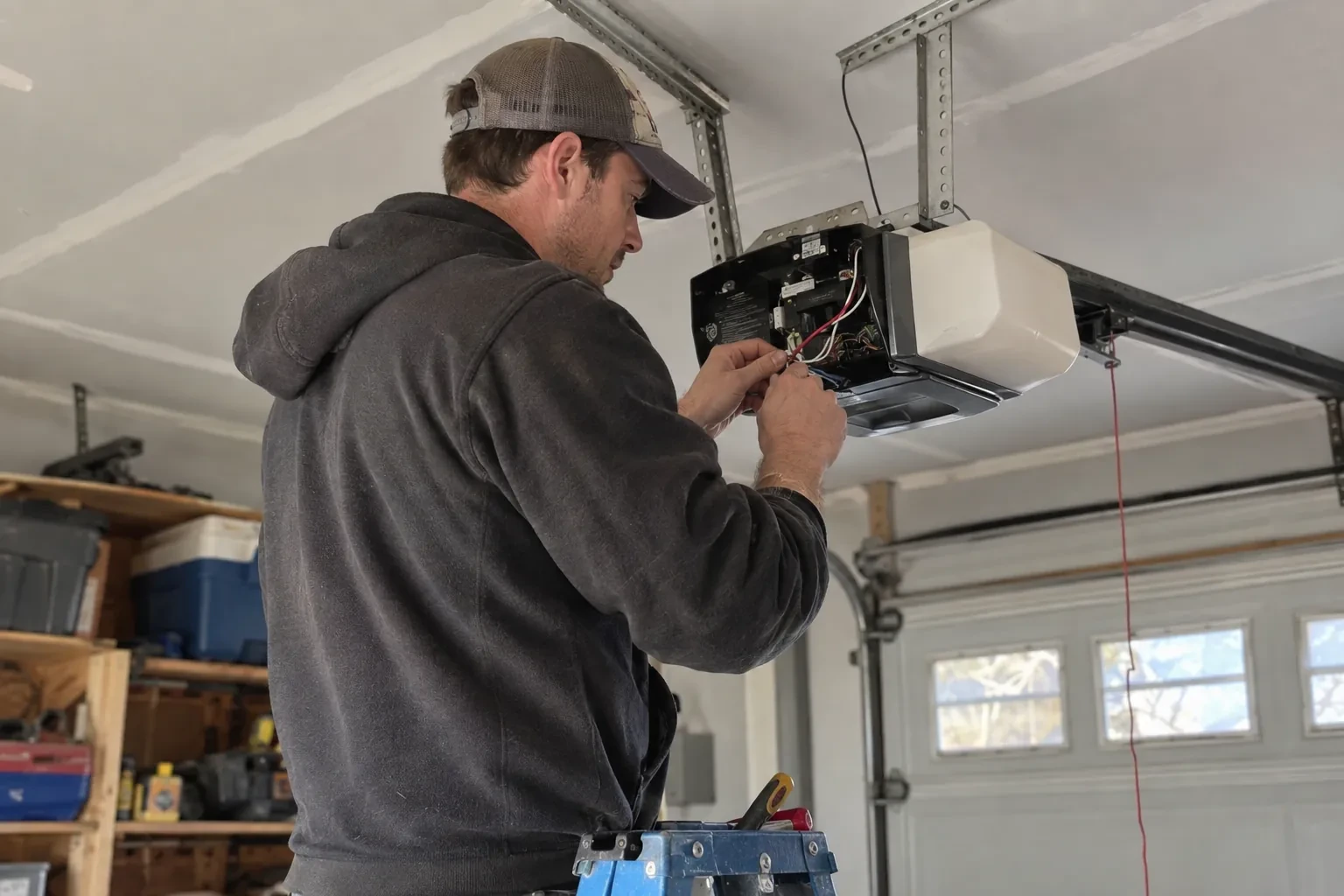
If your door in New Hamburg is doing something new, there is a service here for it. Grinding usually points to rollers or hinges. A door that will not lift points to a spring or cable. A door that reverses on its own points to sensors or force settings. We diagnose first, then repair.
About 41% of homes in Wilmot were built in 1980 or earlier, according to the 2021 Census.
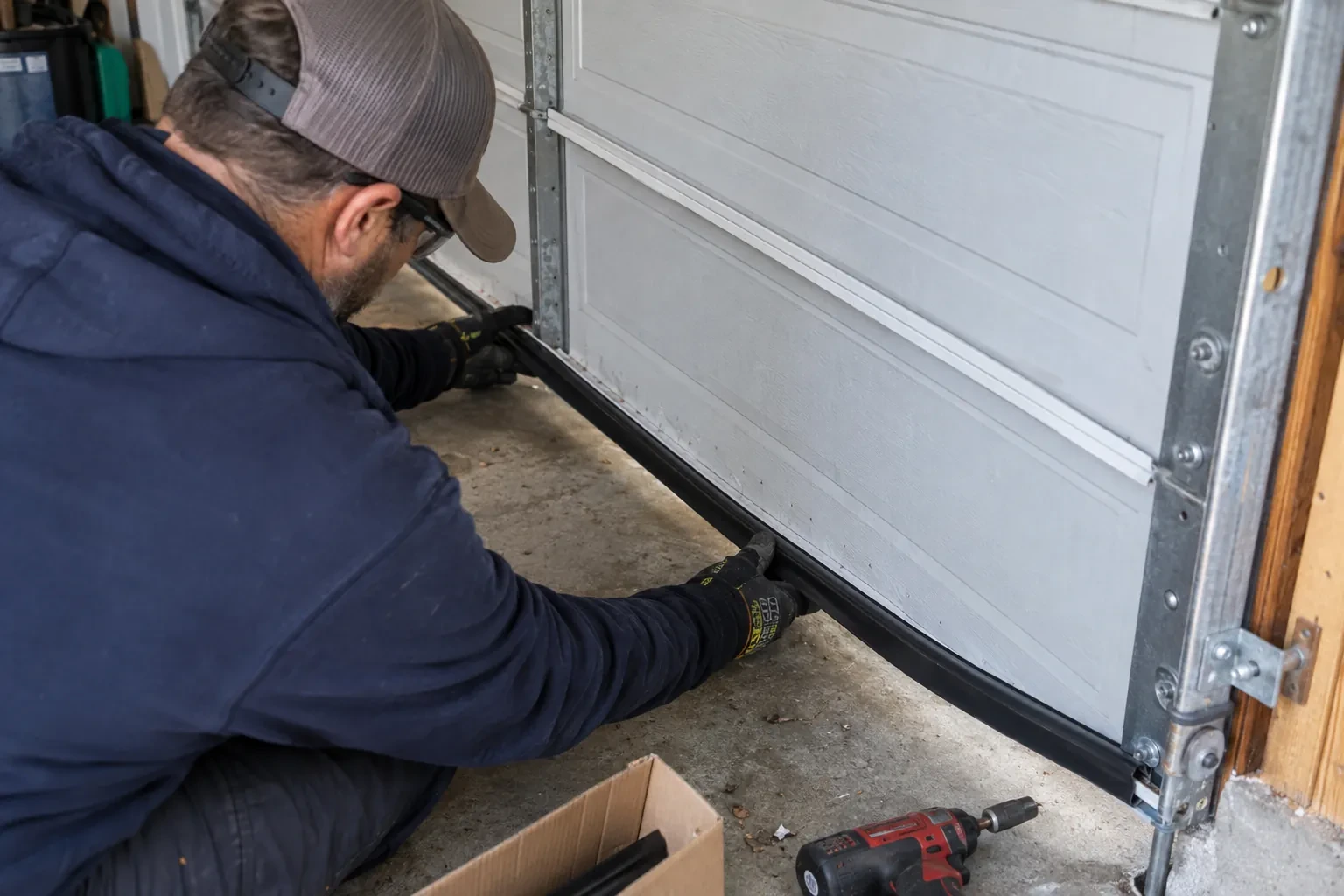
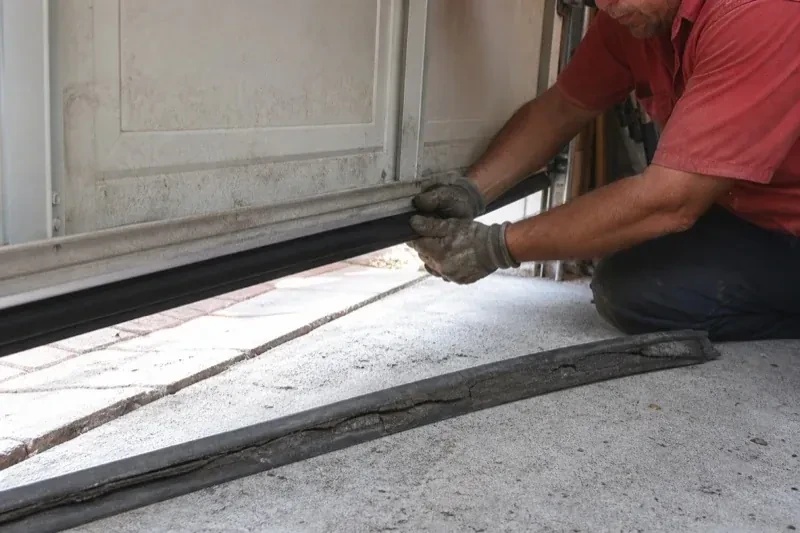
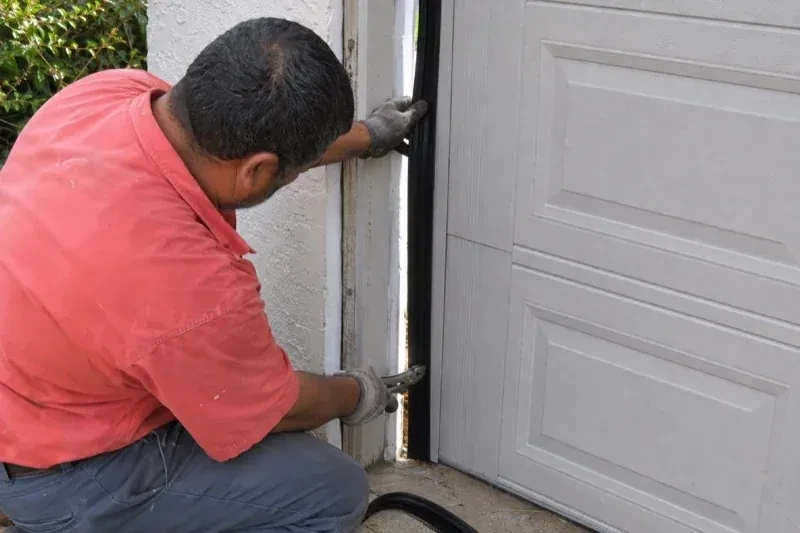
Where houses span several decades, weatherproofing needs vary: older garages with uneven aprons need thicker bottom seals, newer ones mainly need cracked seal sections replaced. The technician looks at how the door meets the floor and the jambs and fits the seal that actually closes the gap.
Single-detached houses make up about 79% of homes in Wilmot (2021 Census).
Mostly houses
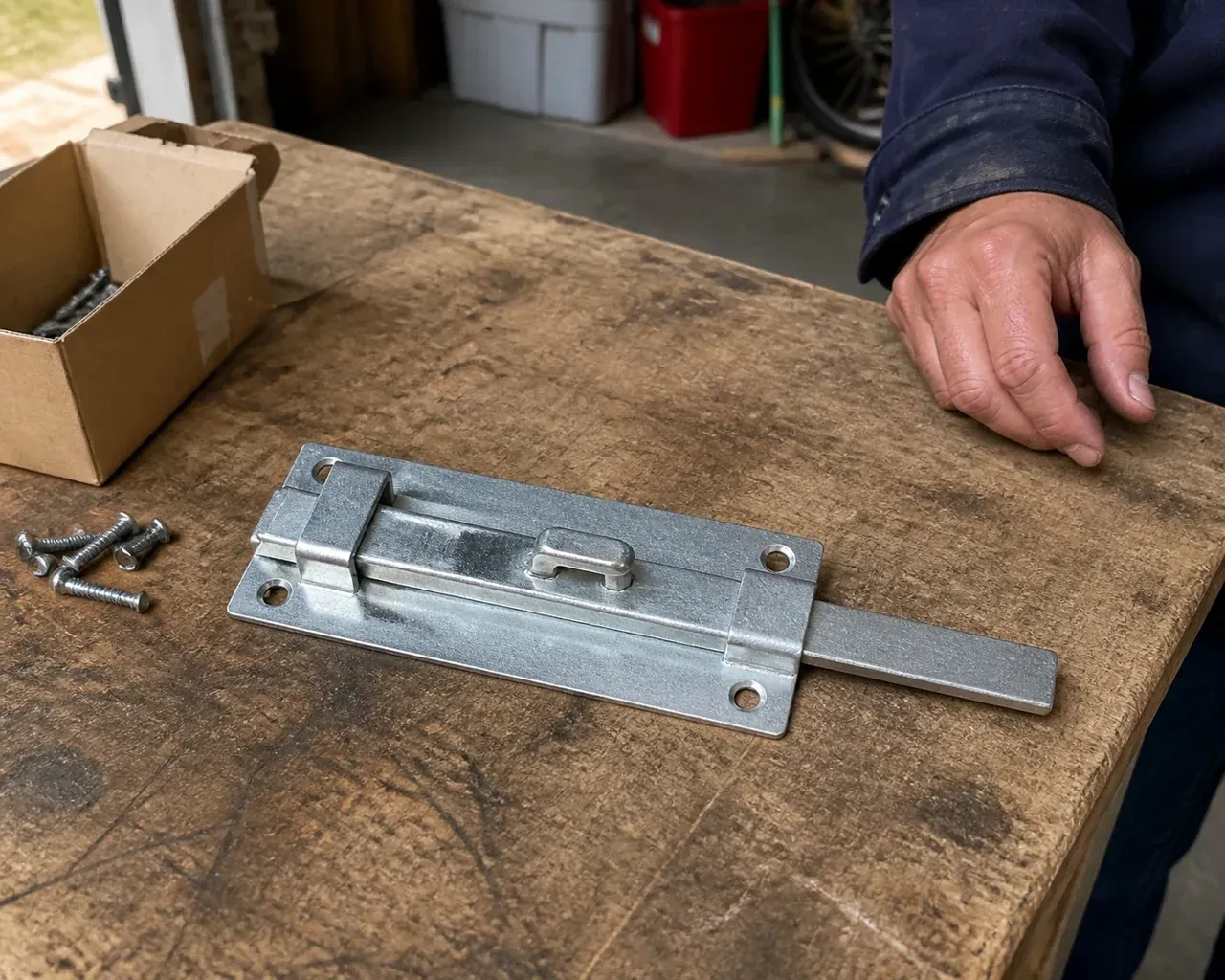
Where houses are detached, a side door into the garage and an interior door into the house are common, so the garage door is one of several ways in. Making sure it closes fully, locks properly and has its old remote codes cleared keeps the whole house secure.
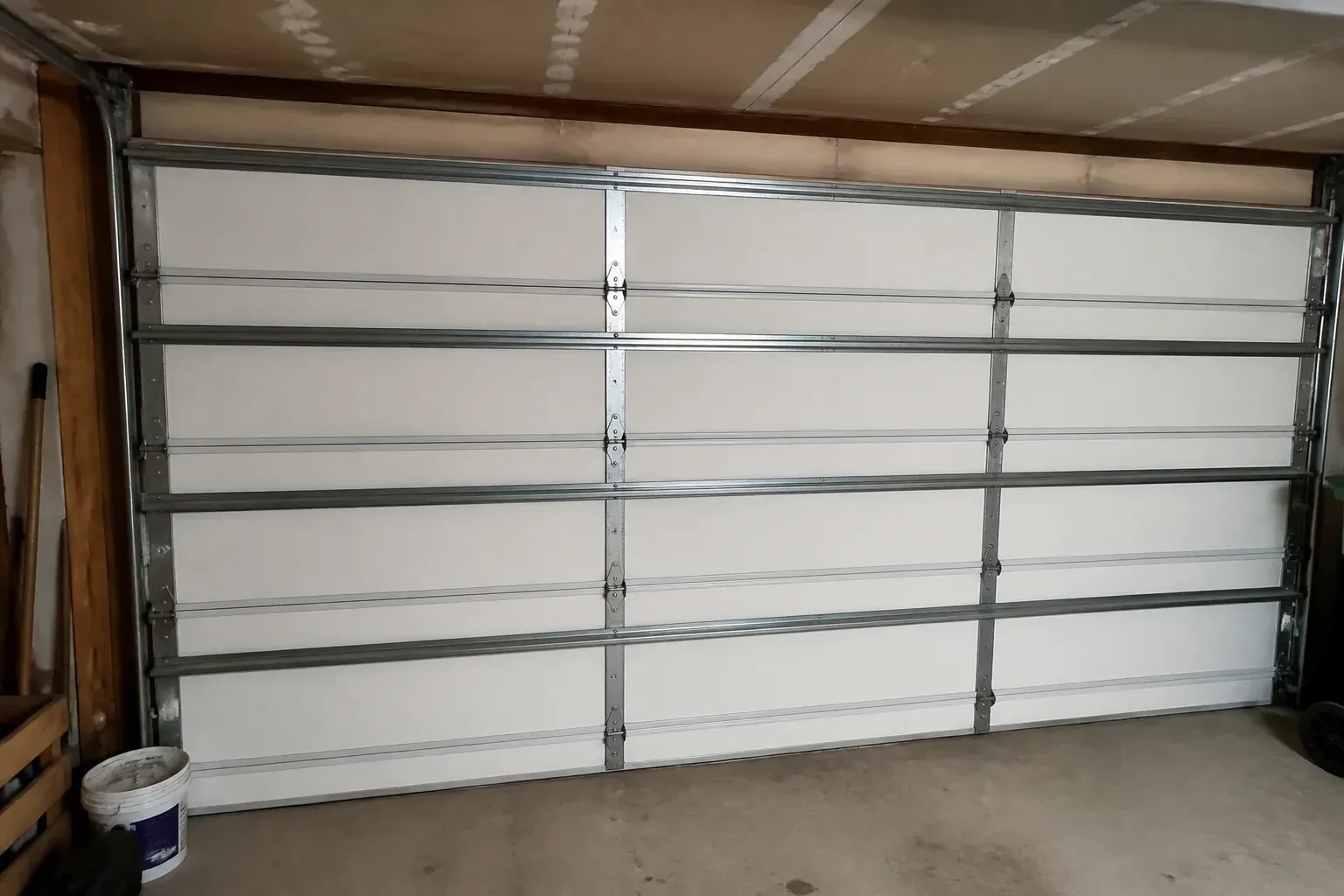
A crooked door is a hardware door. One cable has stretched or slipped, a drum has let go, or a spring on one side has weakened. These are the parts we look at first, and the services here put them right.
Some doors have given everything they had. When that is the case, a new one installed carefully, balanced properly and paired with a matching opener is the right investment, and this is how we do it.
The door goes up perfectly. Coming down is the trouble: partway to the floor it stops, climbs back to the top, and the light on the opener blinks at you.
It is minus twenty in the detached garage and the door climbs in jerks, the belt stiff as a board. By the afternoon, when the sun has been on the door, it runs almost normally again.
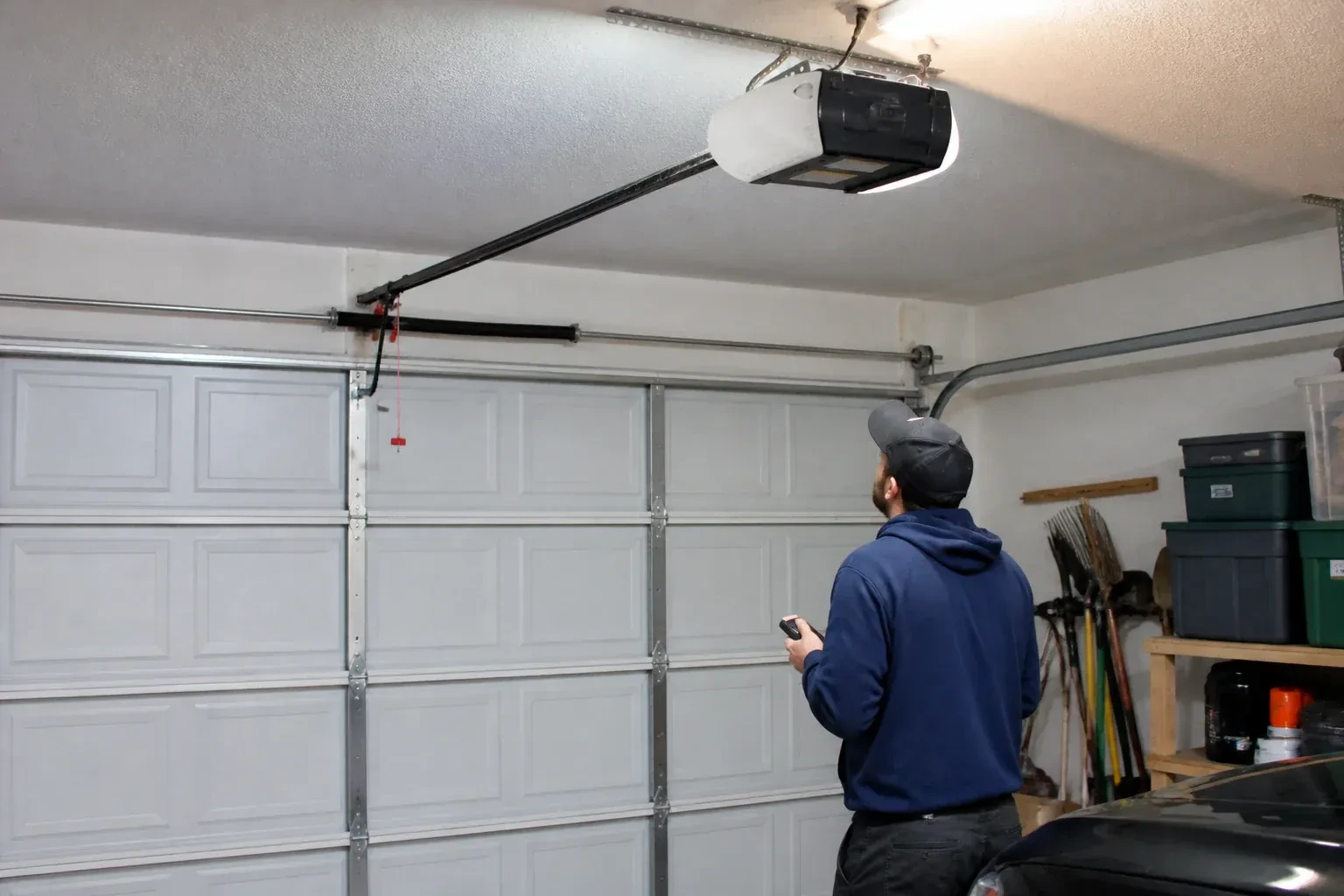
The bedroom above the garage shakes every morning at six when the chain drive fires up. Everyone in the house knows the moment someone leaves for work.
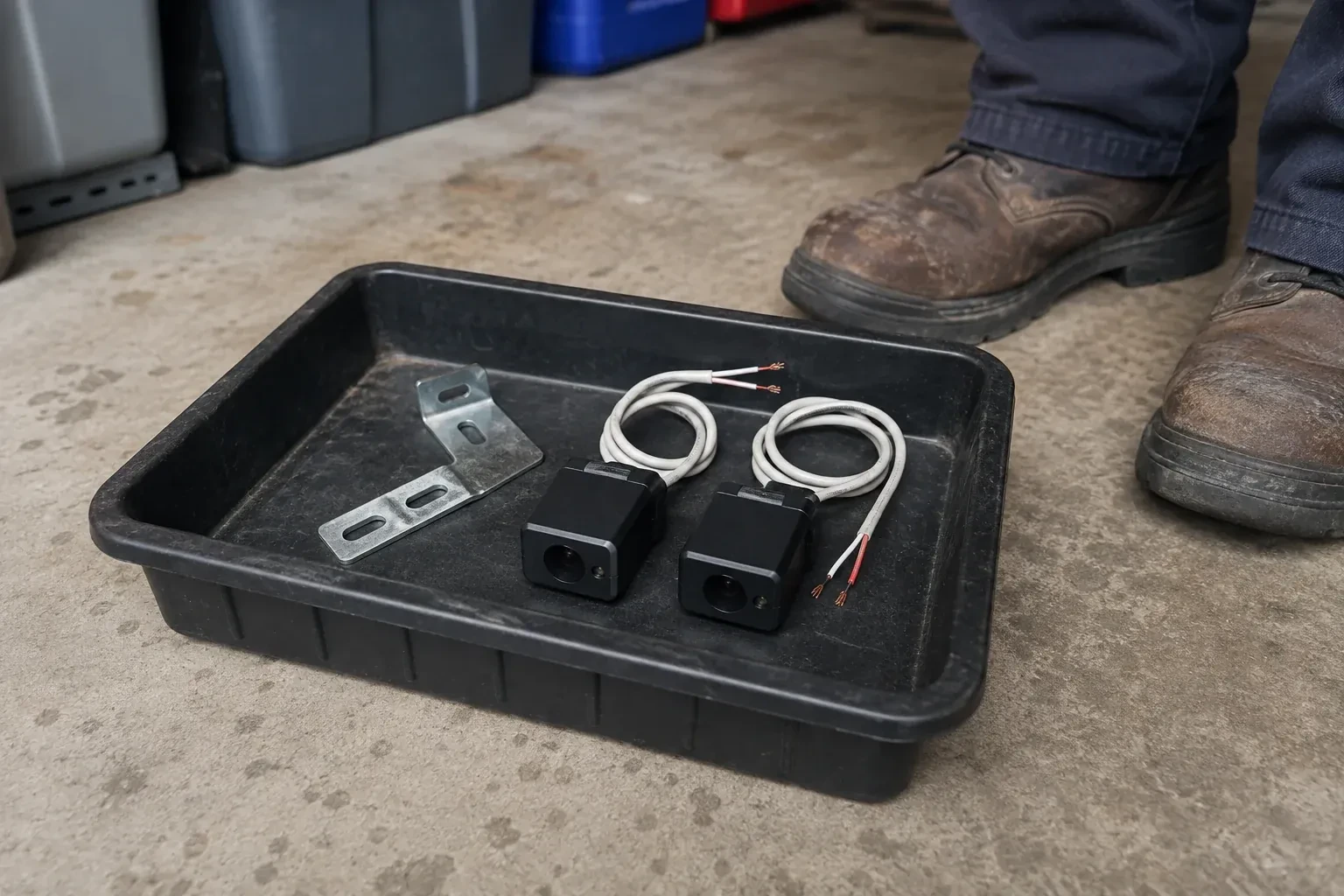
Since shelving went up along the garage wall, the door will not close and both sensor lights are dead. A screw or staple may have gone through the thin wire that runs from the opener to the sensors.
Since the new door went in, the red handle has hung just below the ceiling, a stepladder's height above anyone in the household. During last week's blackout your daughter stood under it with a broom, unable to hook it down.
WhyA garage door is balanced when its springs carry almost the whole weight of the door, so the door itself is nearly weightless in your hands and the opener only has to guide it.
The chain in the detached garage went orange with rust over the winter, the links are stiff, and the opener strains and groans to pull the door up.
WhyA low ceiling, storage rack or beam does not automatically rule out an insulated sectional door, but it does make the track plan central to the job.
The property faces open fields, leaving the garage frontage more exposed than neighbouring homes sheltered by trees and buildings.
WhyThe project begins on paper before any sections arrive.
An entrance. Not an afterthought.
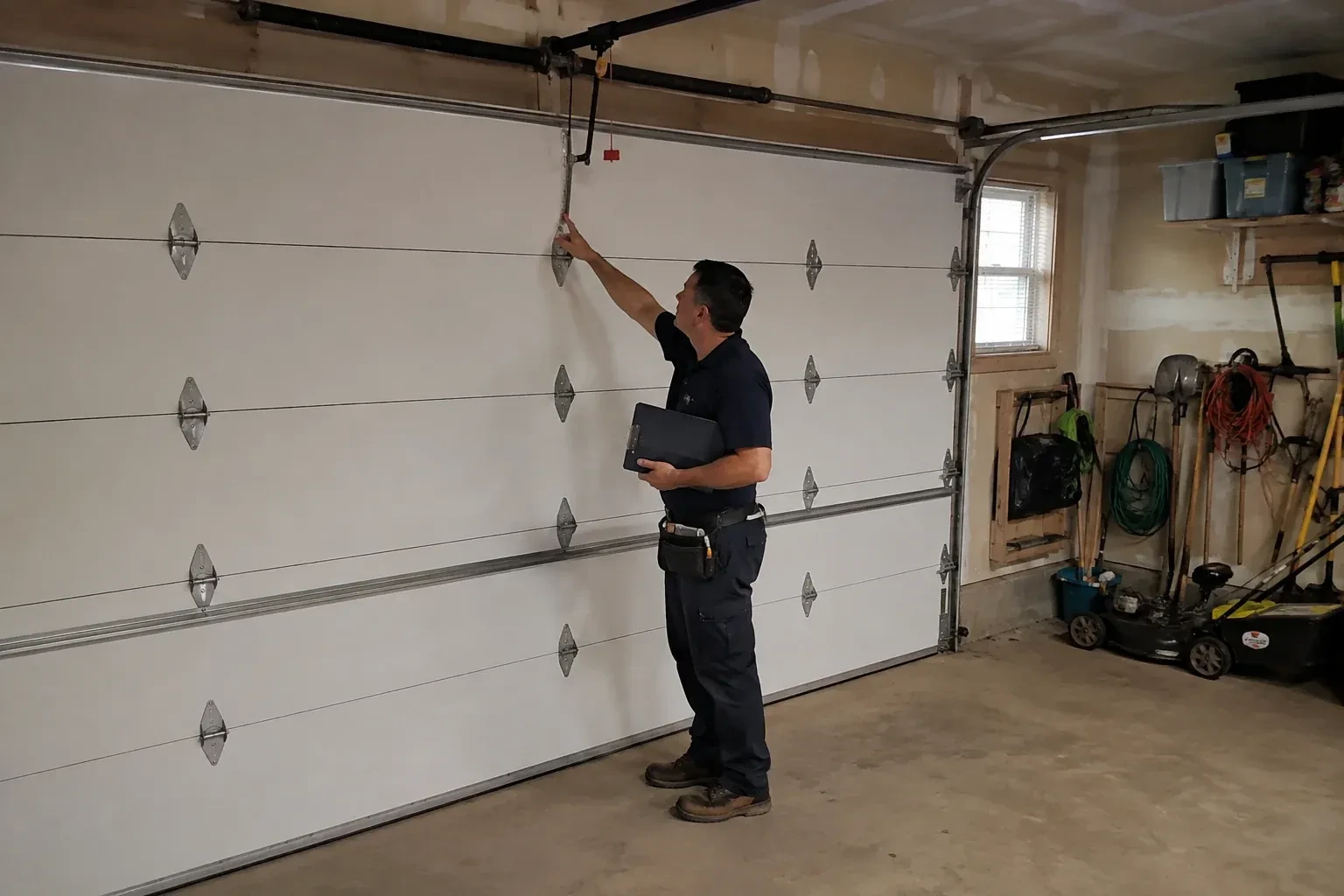
1/10Garage Door Safety Inspection
There is a new sound. Last week the door simply hummed up and down; now there is a bang at the top of travel and a scrape on the way back, and you have started standing well back while it moves.
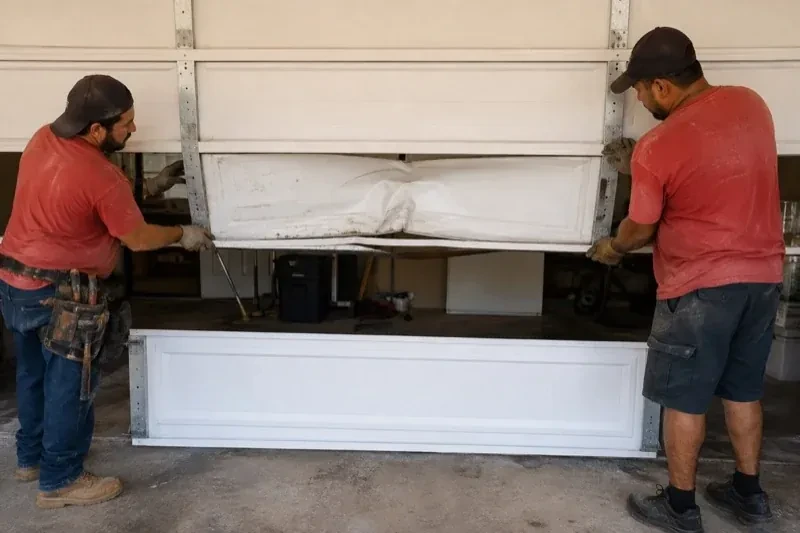
A delivery van backed into the shop's overhead door this afternoon. The lower panel is pushed in, the track on that side is kinked, and the door is hanging unevenly with staff unable to close up for the night.
Someone replaced the springs a while back and the door has bounced at the top ever since. It slams open against the stops, then creeps down a few inches, and the opener trolley rattles because the door is pushing where it should be resting.
The chain in the detached garage went orange with rust over the winter, the links are stiff, and the opener strains and groans to pull the door up. By afternoon, once the garage warms, it behaves almost normally.
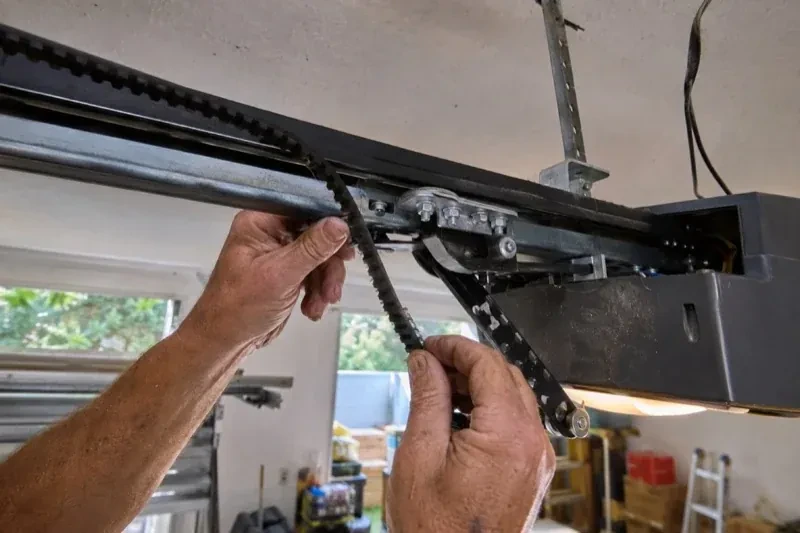
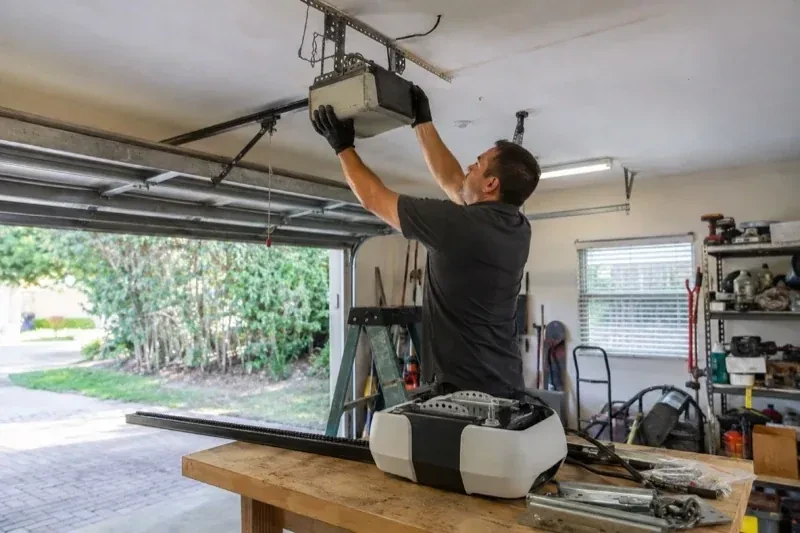
There is a new squeal from the front of the rail, up near the header, on every cycle. The belt has started tracking to one side and its edge is fuzzy where it has been rubbing.
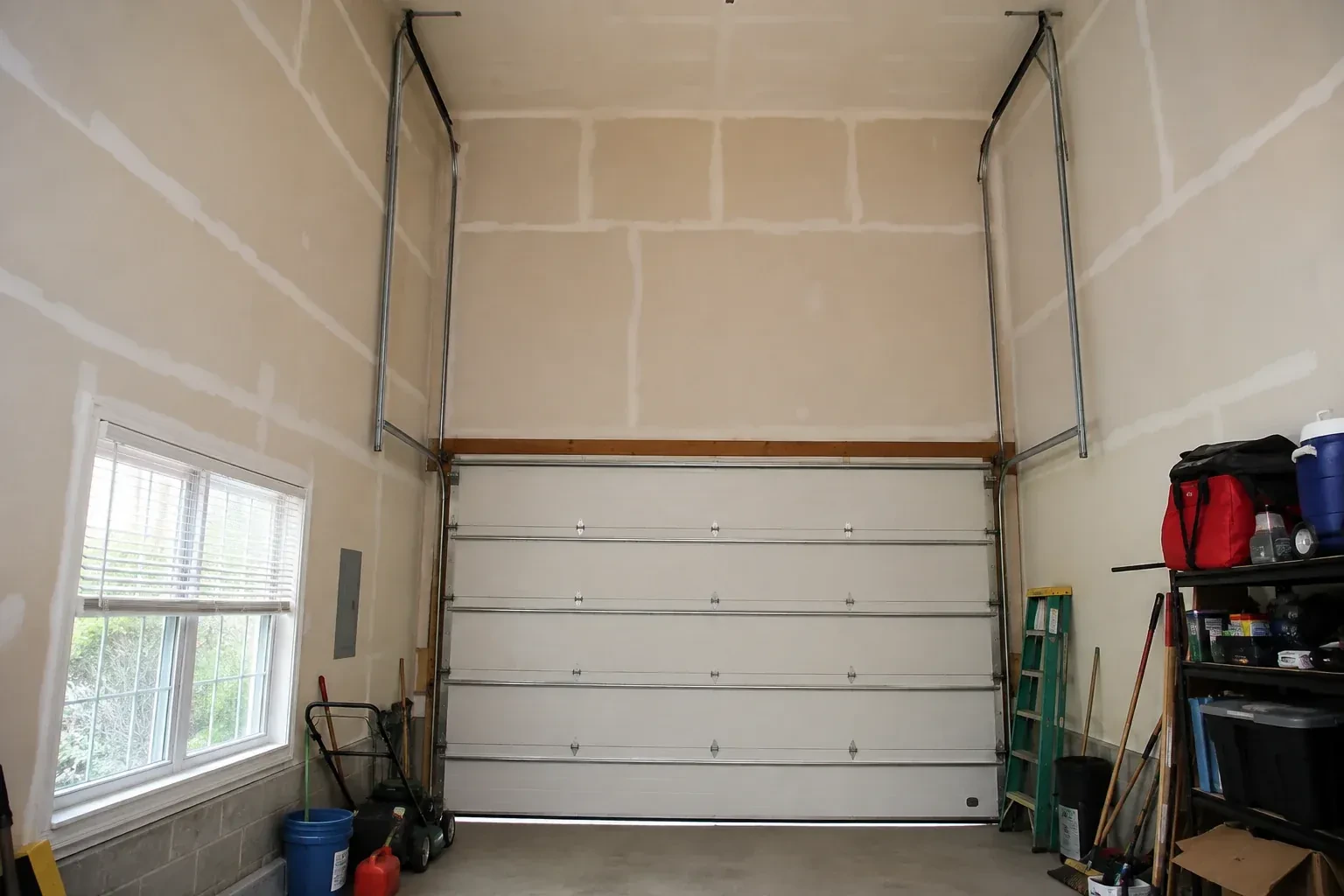
You want the ceiling back. A storage loft, a vehicle lift or kayak racks would fit if the long rail and motor box were not hanging in the middle of the garage, and the low ceiling of an older house leaves little room for the standard rail anyway.
On bright mornings the door will not close, then by lunchtime it behaves itself. The garage faces the low sun, and the light reaches straight across the floor to one of the little black sensors.
The opener strains as the heavy older door starts upward, and manual movement feels uneven. A new insulated assembly calls for counterbalance hardware matched to its actual weight and a compatibility check for the operator.
The property faces open fields, leaving the garage frontage more exposed than neighbouring homes sheltered by trees and buildings. You want the large opening assessed as part of choosing a sturdier replacement assembly.
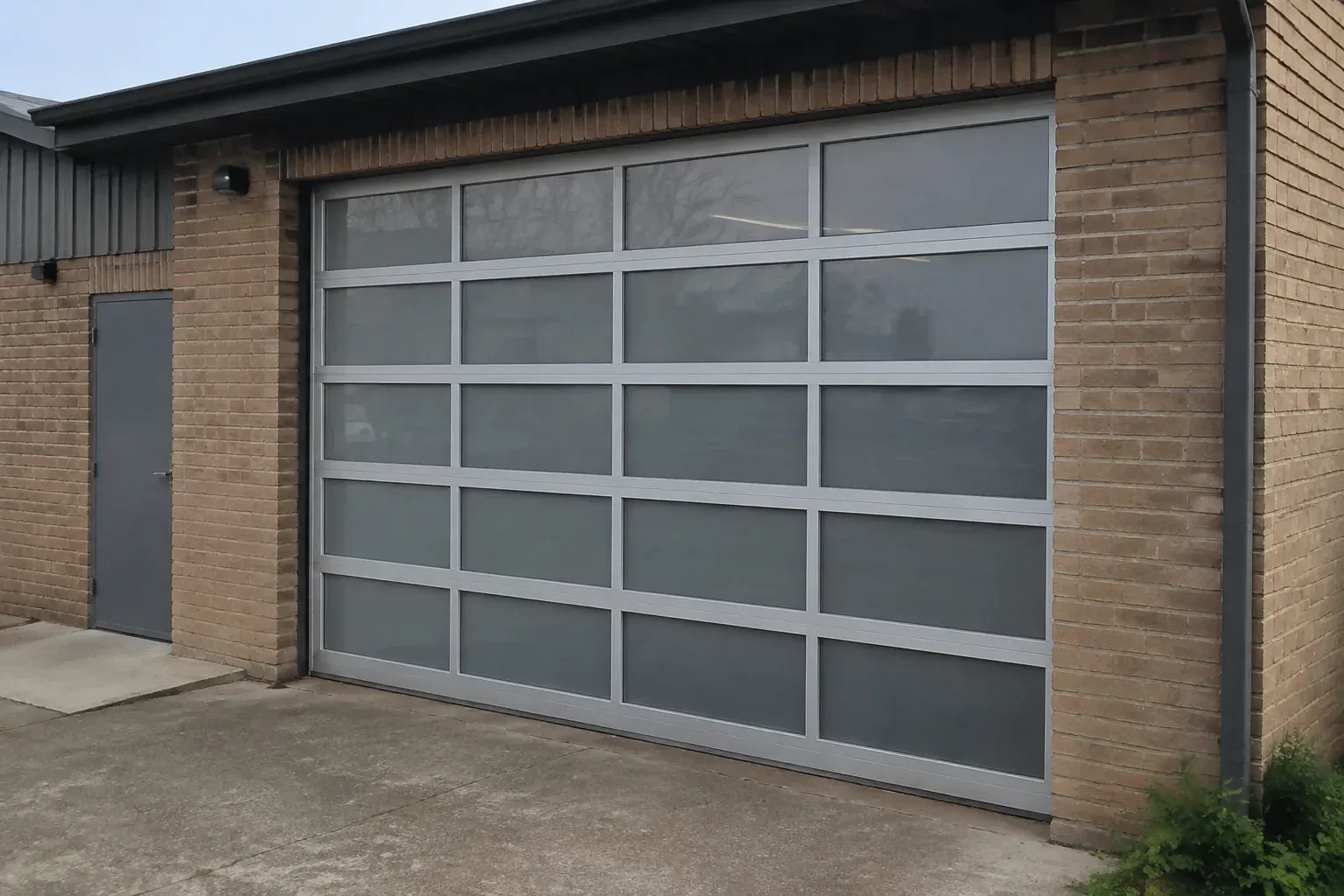
The ceiling has bulkheads, lighting and an opener competing for space above the opening. Before ordering a glazed door, you need to know which track arrangement will travel cleanly through that limited headroom.
What exactly gets looked at during the inspection?
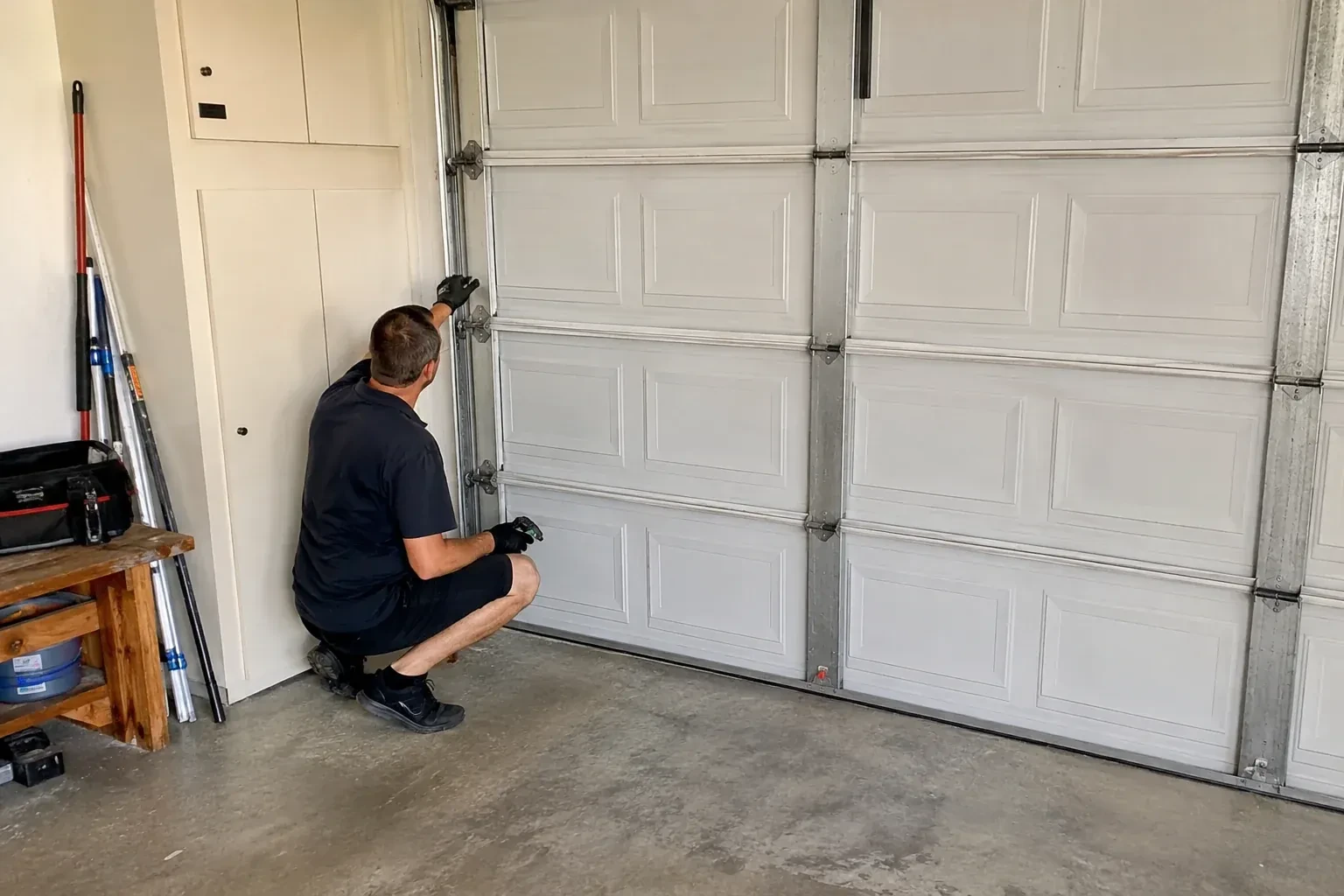
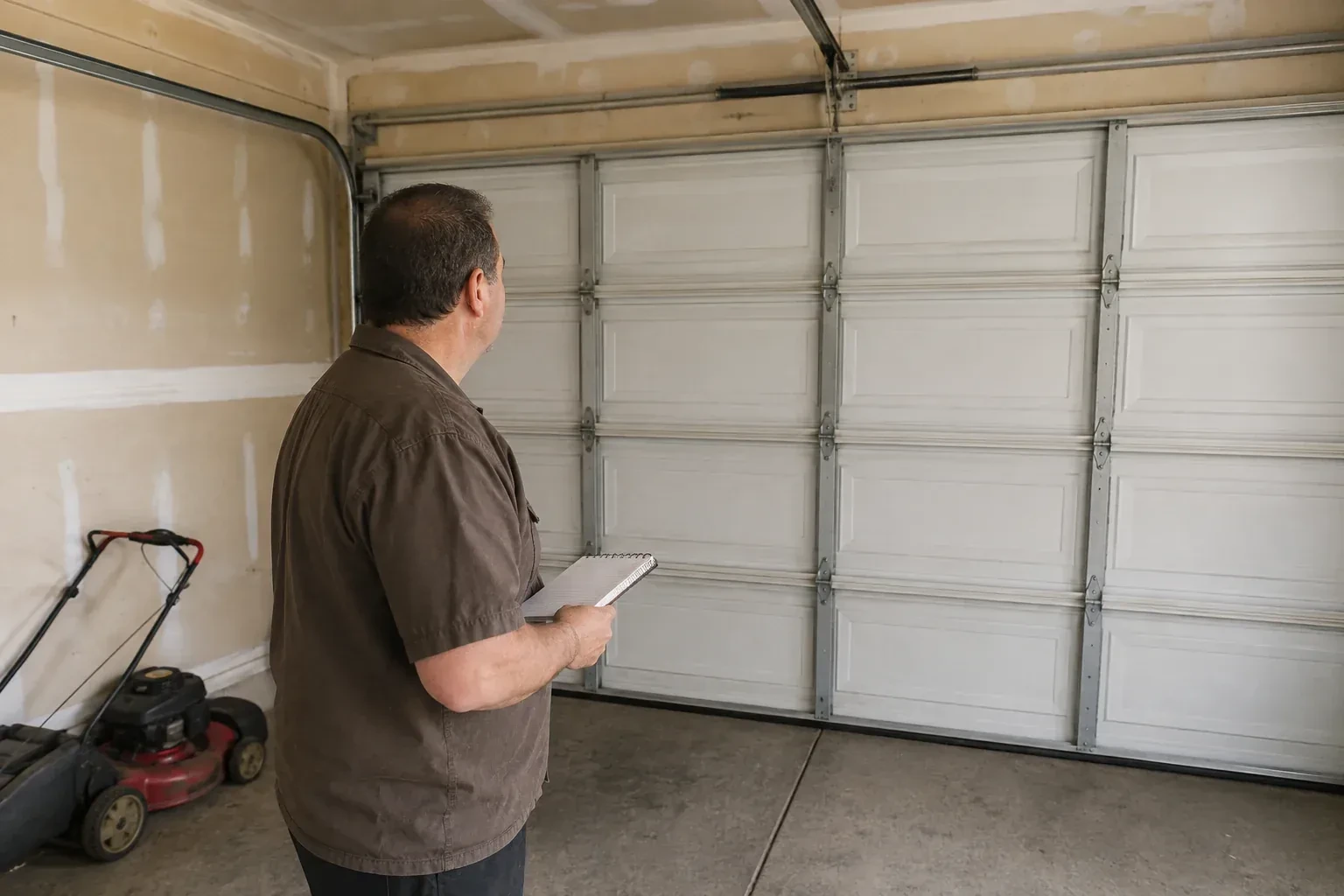
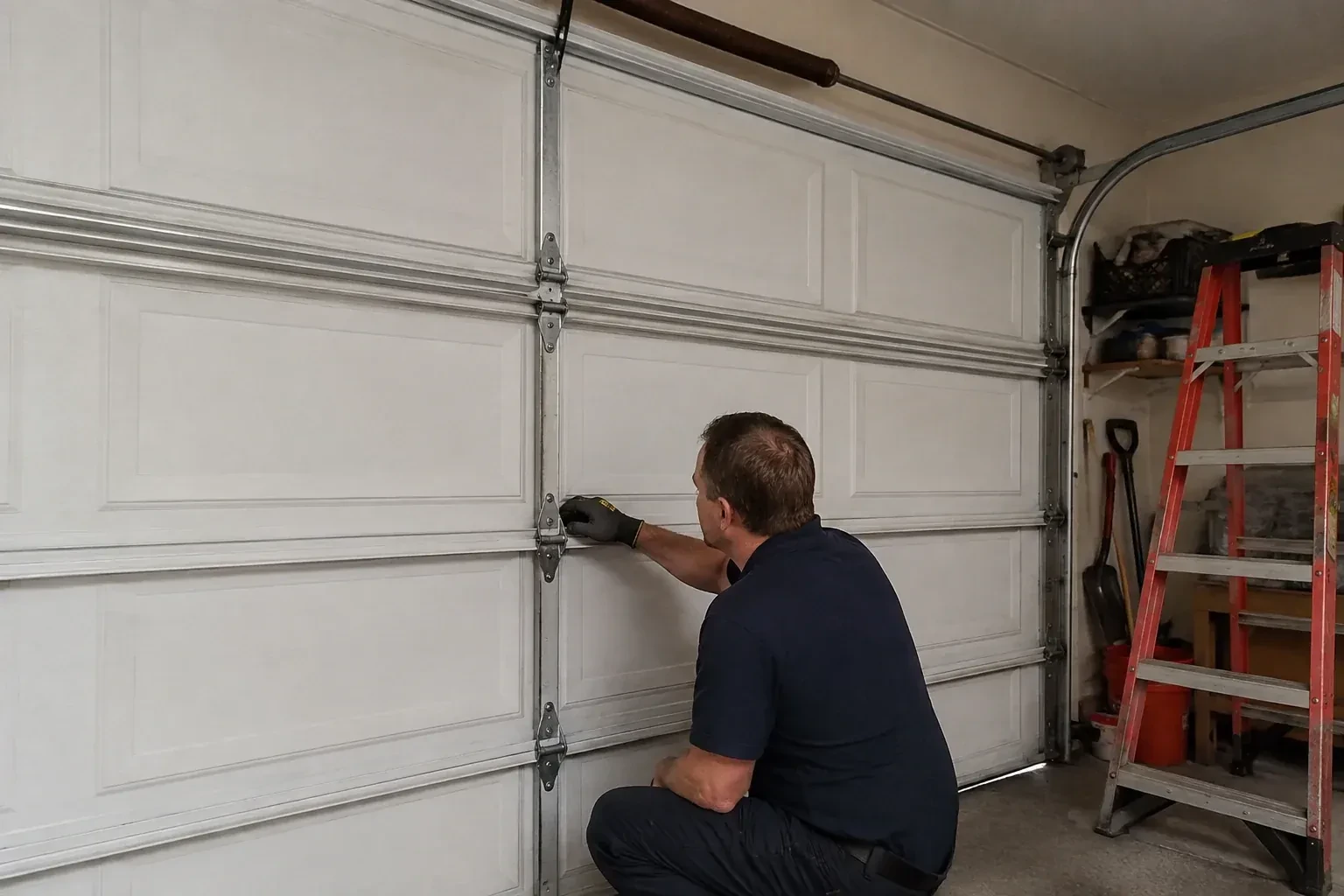
The whole system, not just the opener. Sections, hinges, rollers, tracks and their fasteners; springs, cables, drums and bottom brackets; the bottom seal and perimeter weatherstrip; the opener head, rail, arm and mounting; the photo eyes, contact reversal, wall control, remotes, keypad and manual release; and the warning labels. Each is examined, and the door is tested both by hand and under power.
Can an off-track door fall?
A door with one cable slack and the springs still pulling on the other side is being held by parts that are not sharing the load, and it can shift or drop without warning, whether or not anyone touches it, if the second cable lets go or a roller gives way. That is why the visit begins with clamps on the track and support under the sections, and why people, pets and vehicles stay clear of the opening until that support is in place.
Why does the door feel heavier in winter?
Cold stiffens the lubricant in the bearings and hinges and firms up the rubber seals, so the door drags a little more and the springs have slightly more to overcome. A bottom seal frozen to the slab adds to it, and this usually eases as temperatures rise. A door that stays heavy is worth a prompt check regardless of season, since persistent drag can come from binding, an obstructed track, rollers, hinges or cables as well as the spring balance.
My opener is decades old. Can the chain drive still be repaired?
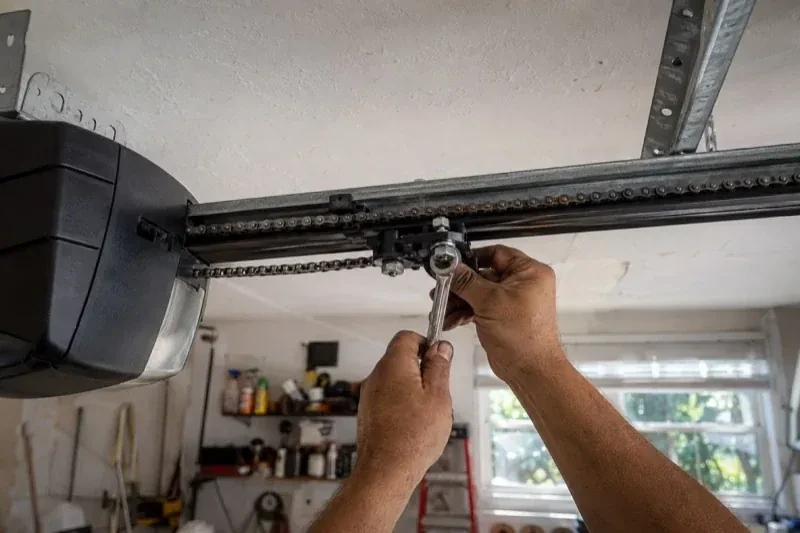
Often, yes. Gear kits, sprockets, chains and trolleys are still made for many older heads, and tension, phase and limits can be set on almost any unit. The limit is parts: some makers no longer support units made before the mid-1990s, and those also lack the photo-eye protection expected today. The technician checks parts availability for your model and lays out repair beside renewal so you can decide with the facts.
How long does a belt-drive repair take?
A tension adjustment with the safety tests is a short visit. Replacing the belt, trolley or idler pulley, then phasing the motor, relearning limits and running the reversal tests, is usually an hour or two. A gear-and-sprocket kit at the motor head takes longer because the head unit is opened. If the balance test turns up spring work, that is agreed as a separate job with its own time.
Can my phone control the door?
Yes, with a Wi-Fi capable operator or a small add-on hub for a compatible unit. The app opens and closes the door, shows whether it is up or down, sends an alert if it has been left open and can close it on a schedule. The garage needs a usable Wi-Fi signal at the head unit, which the technician checks during the assessment; a range extender solves a weak signal in a detached garage.
Can cold weather affect the sensors?
It can, in a few ways. Frost or condensation on a lens in an unheated garage dims the beam until it clears. The low winter sun reaches further across the floor and into a receiving eye. Old wire insulation cracks in the cold and shorts. Salt slush builds against brackets and corrodes them and the terminals over the years. Each of those has a straightforward remedy: cleaning, a shade or side swap, a fresh wire run, or brackets set above the slush line.
What information should I receive at handover?
Keep the door and opener manuals, product identification, care instructions and a description of the installed hardware. The closeout should also note manual balance, full-cycle travel and applicable safety tests. Window, finish and seal details help with future care, while model and component records make later parts selection more accurate than relying on appearance alone.
Will a reinforced door be heavier than my old one?
It may be. Added struts, different section construction, glazing, and heavier hardware can change the total door weight. The counterbalance springs are selected for the finished assembly, and the opener is checked for compatibility and correct attachment. With proper balance, the door should still move in a controlled way by hand and under power.
Why are spring and cable adjustments handled professionally?
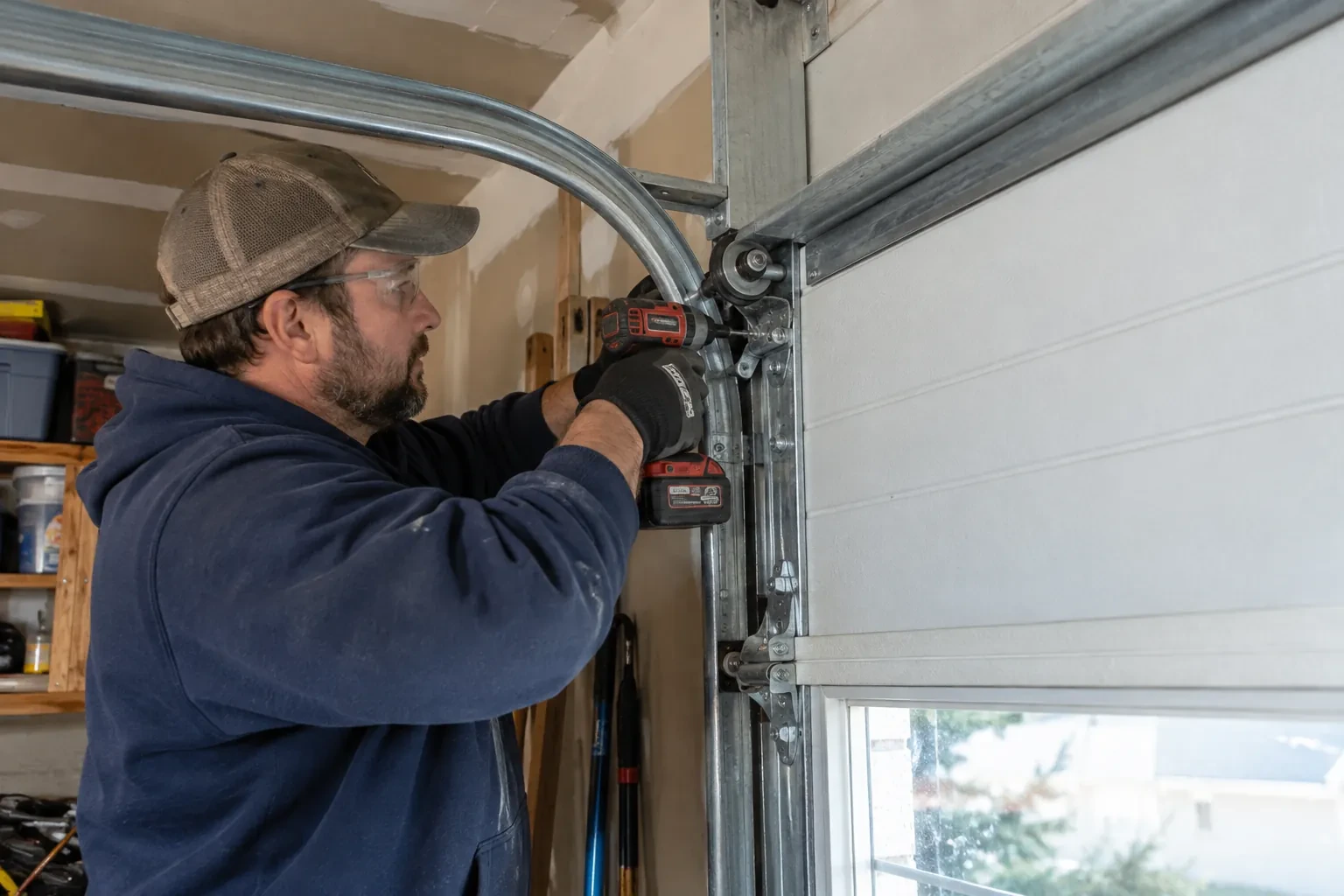
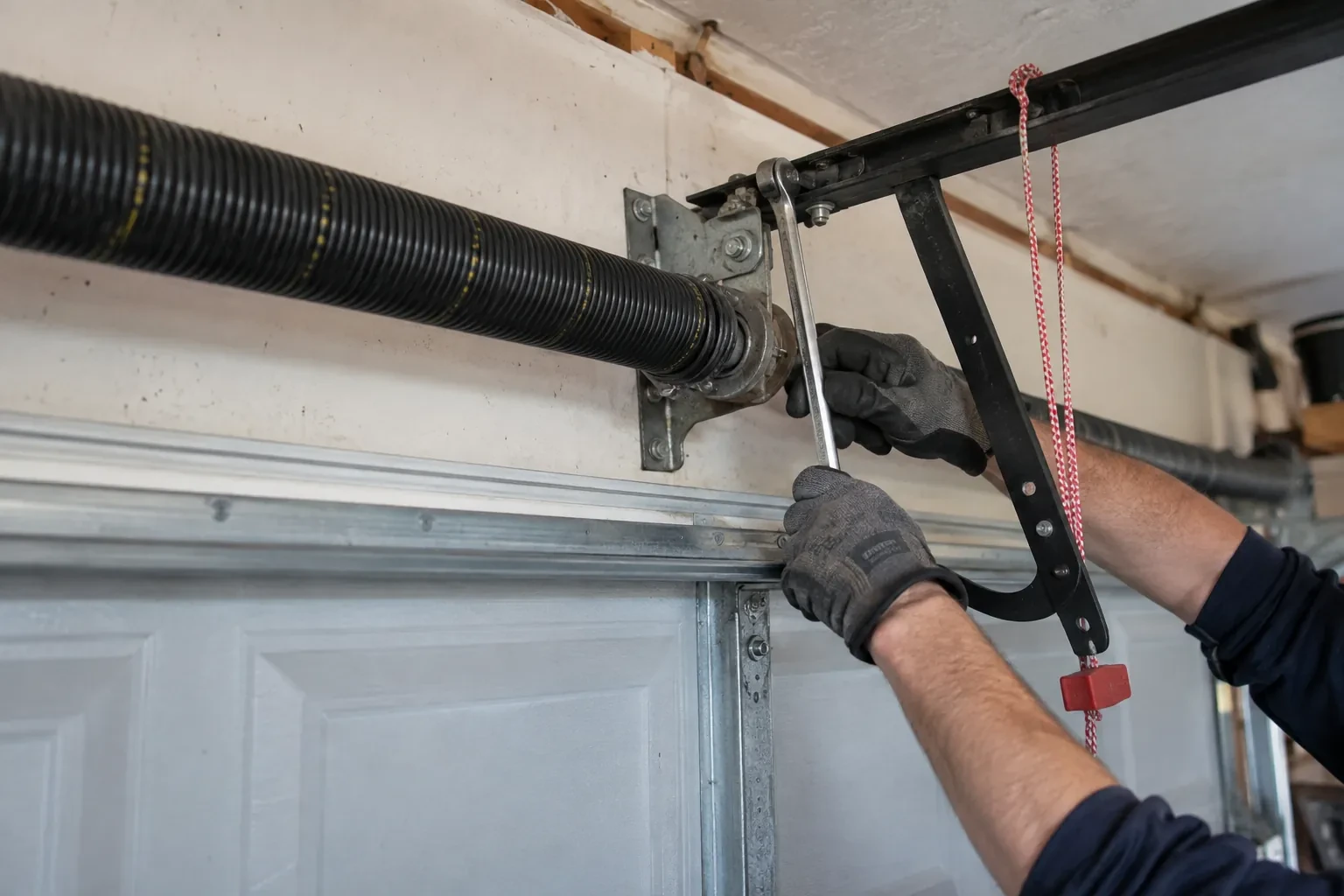
Springs counterbalance the door through stored energy, while cables connect that lifting force near the bottom fixtures. Correct work requires the door to be restrained, the specified parts, suitable winding tools and a model-specific sequence. Trained personnel set the system for the finished glazed-door weight, then verify cable seating, equal lift and balance before normal operation.
Request a visit
A new door for a home in New Hamburg is planned with more time than a repair. We measure the opening and headroom, talk through insulation, windows, colour and panel style, show samples at the house, and install the door and its hardware plumb, level and balanced so it looks and runs right from the first day.