Garage Doors in Phillipsburg, OntarioDoors for the shop,the bay and the warehouse.
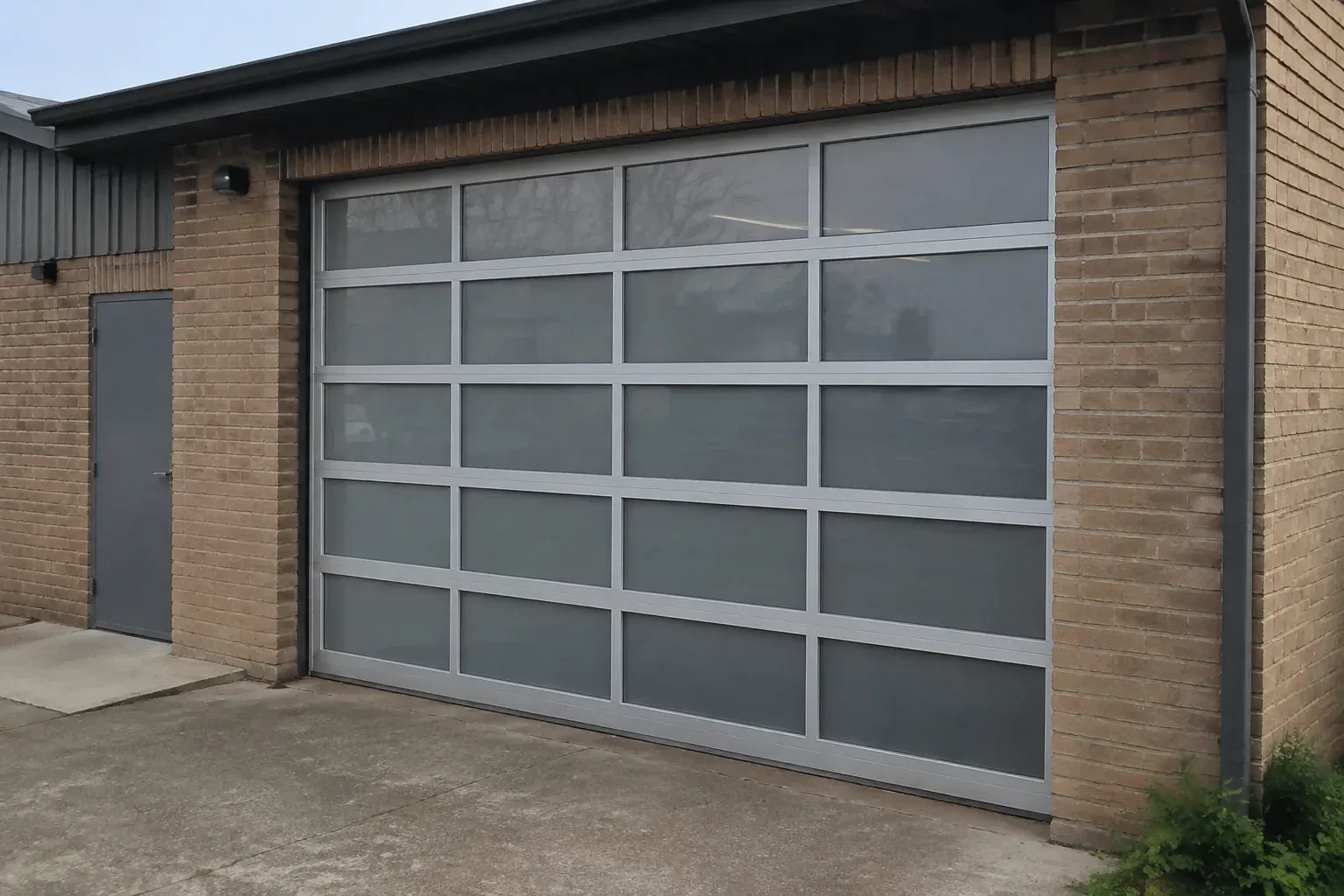
Commercial sectional and rolling steel doors around Phillipsburg take thousands of cycles a year and the occasional knock from a forklift. We service them with heavy-duty springs, industrial operators and hardware chosen for the work they actually do, and we plan the visit around your opening hours. Calls from Berlett's Corners, Lisbon and New Prussia are covered too.
Commercial sectional and rolling steel doors around Phillipsburg take thousands of cycles a year and the occasional knock from a forklift. We service them with heavy-duty springs, industrial operators and hardware chosen for the work they actually do, and we plan the visit around your opening hours. Calls from Berlett's Corners, Lisbon and New Prussia are covered too.
The garage door people.
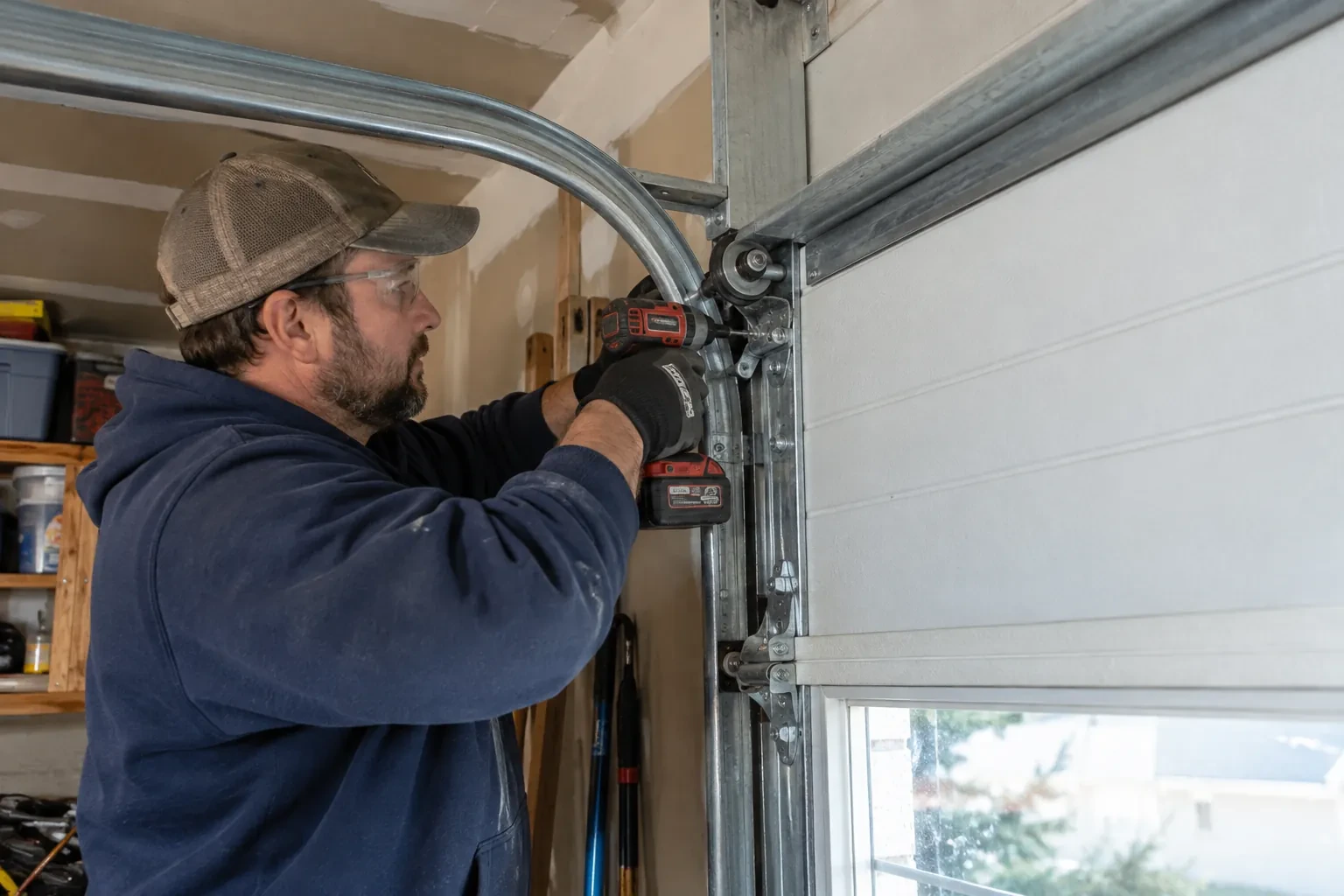
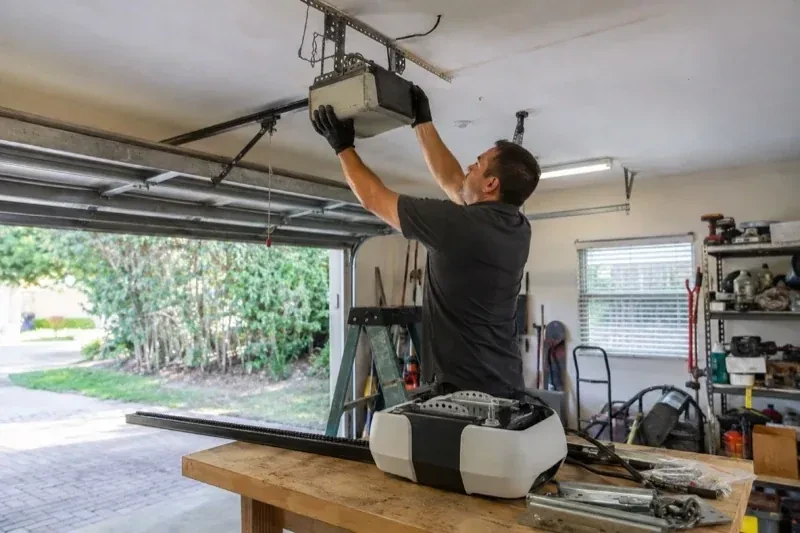
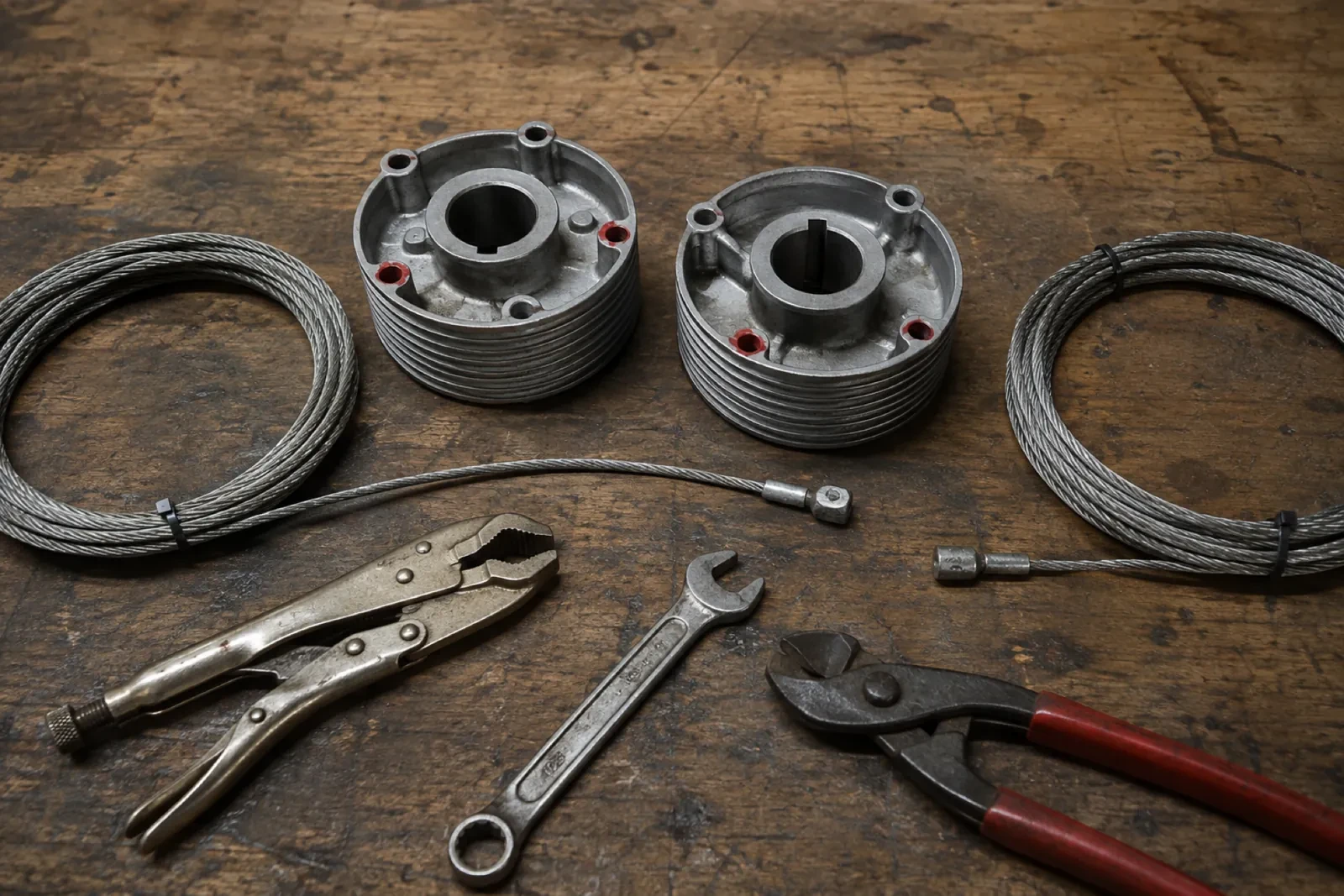
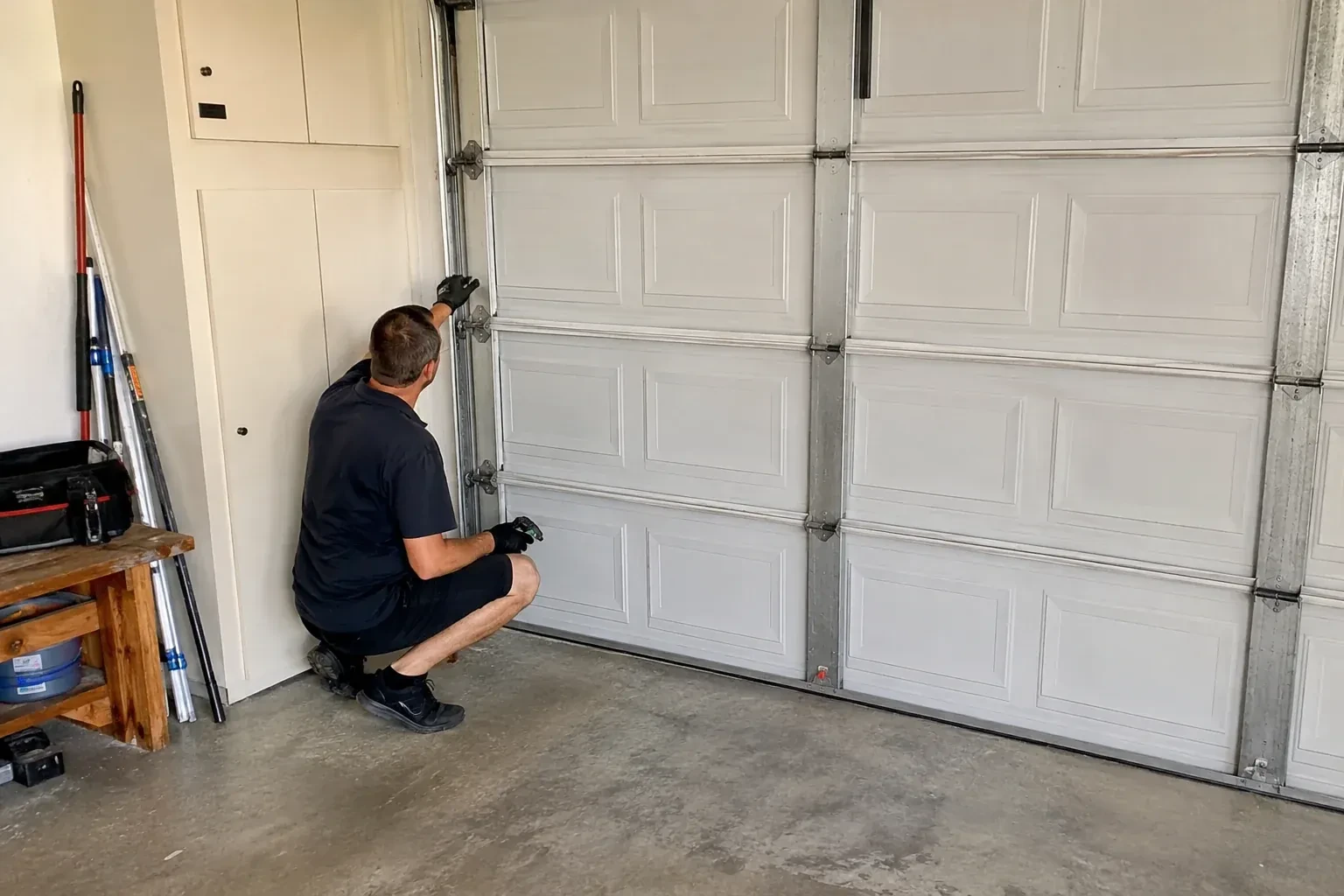
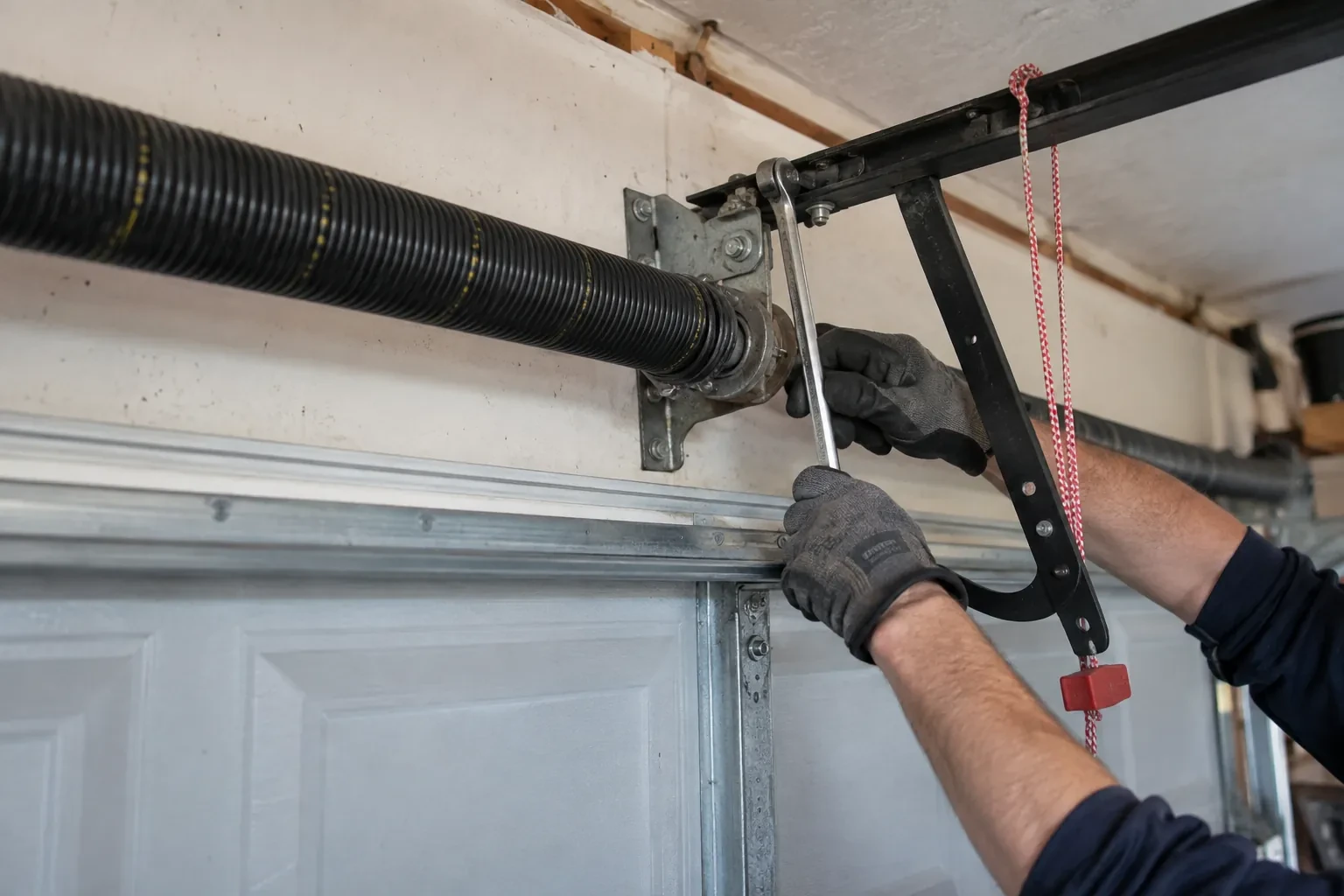
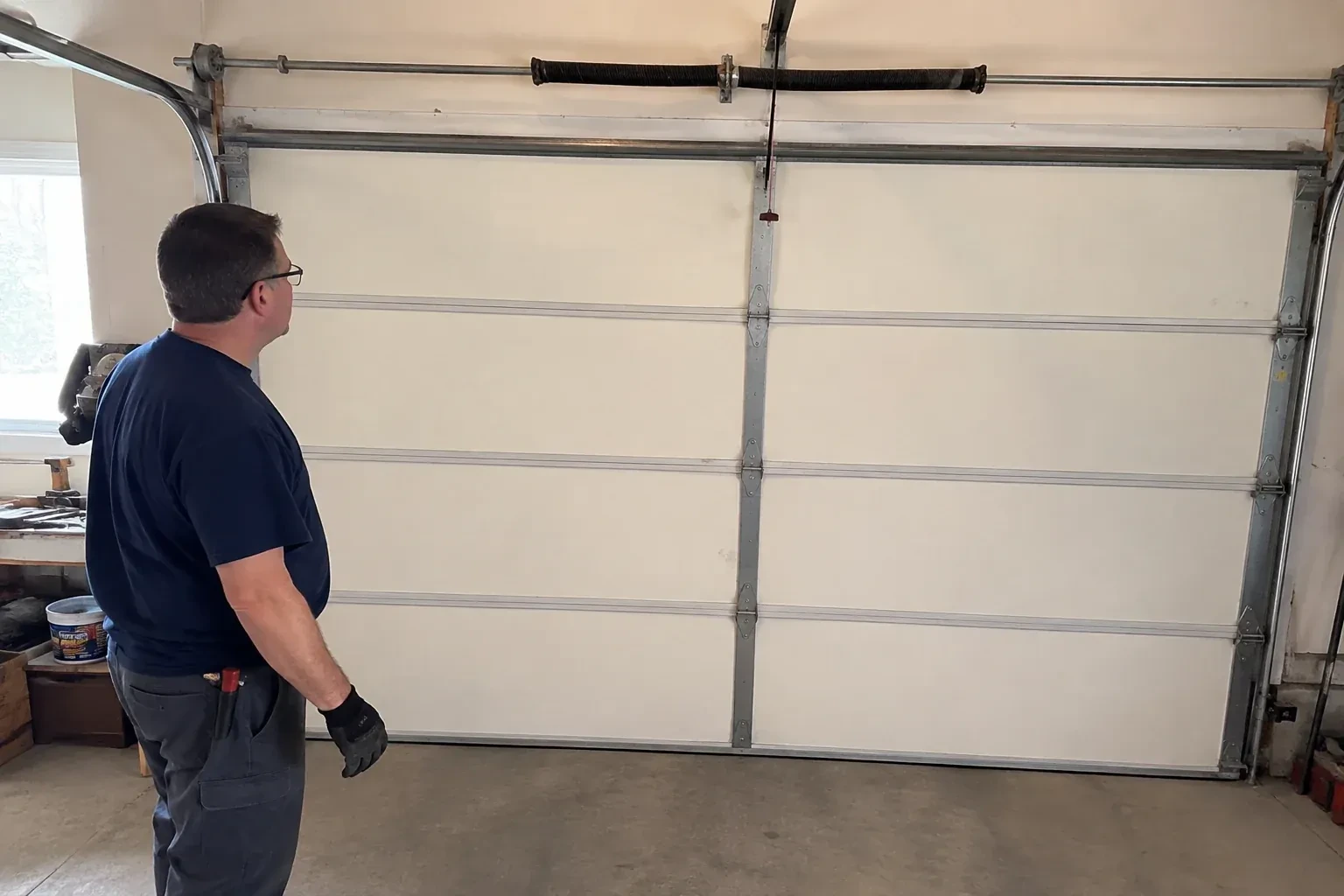
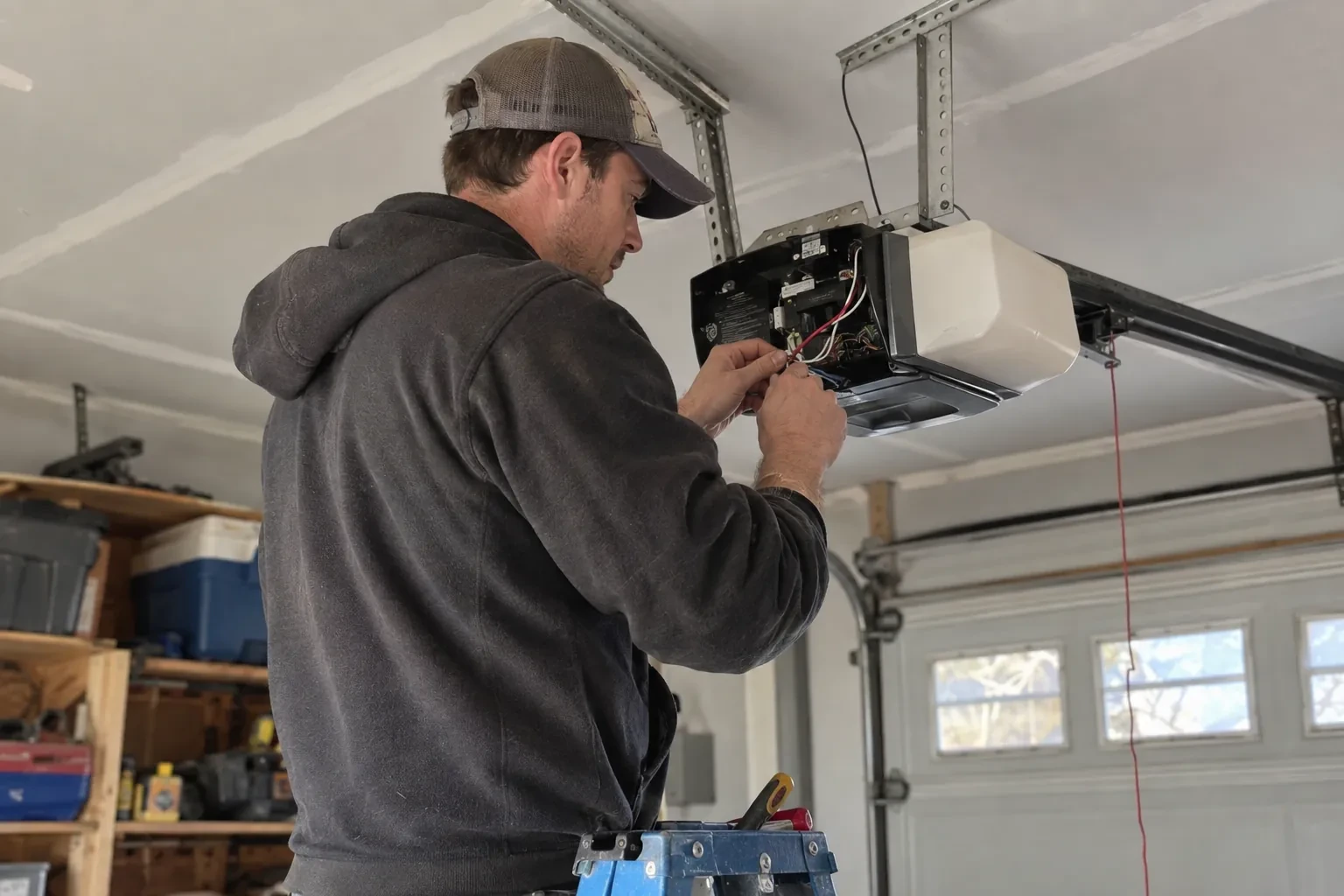
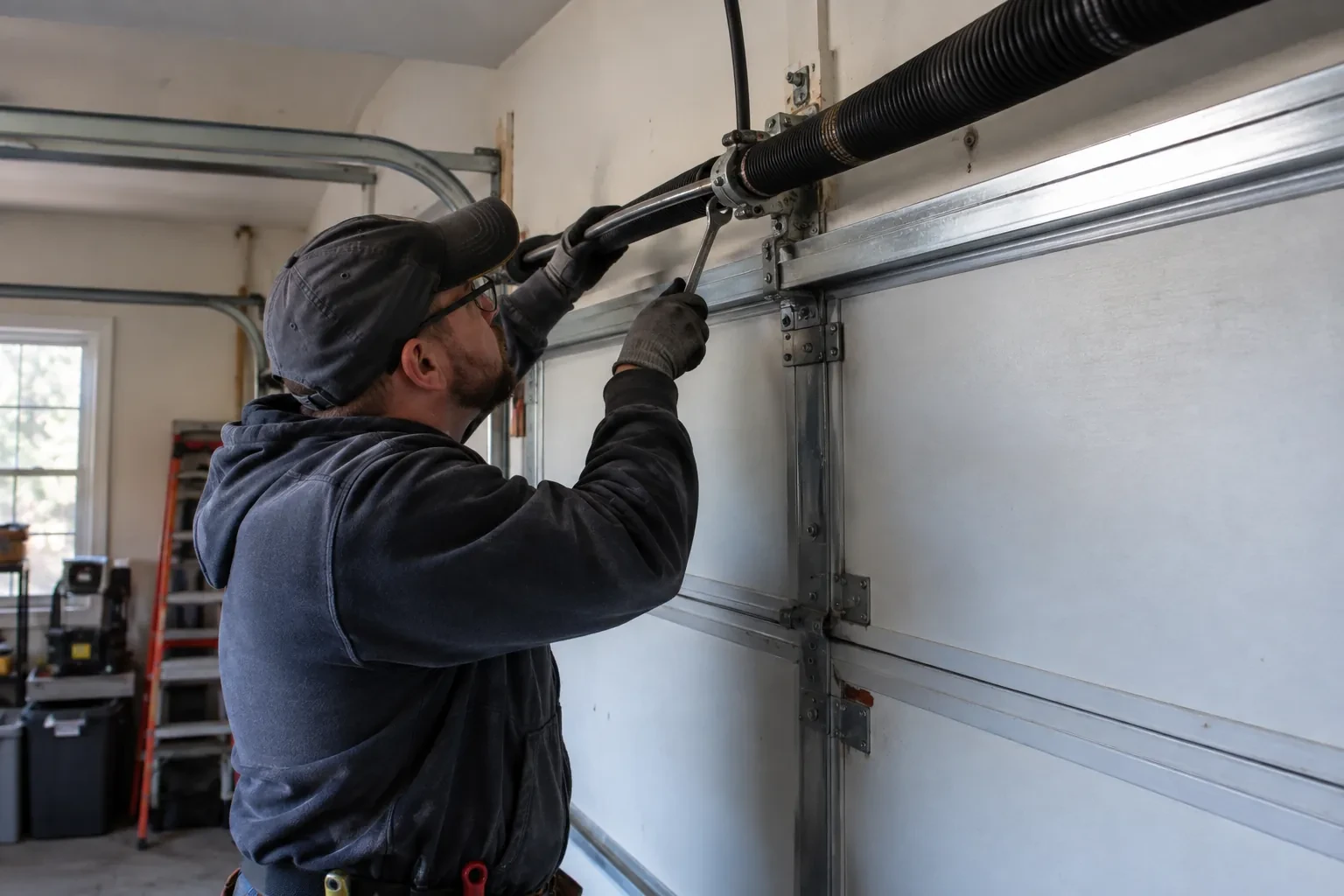
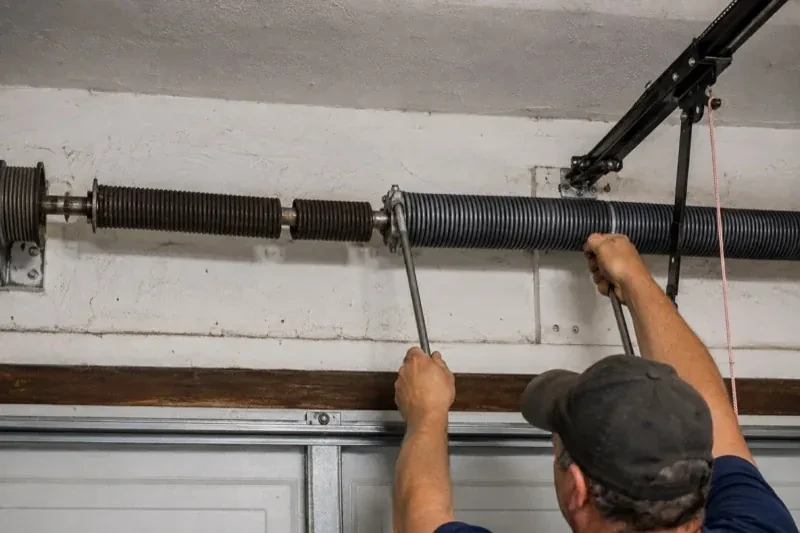
Our technicians in Phillipsburg carry the winding bars, clamps, stands and gauges the work needs and use them every time, on every door. Spring sizes are measured, not guessed; cable lengths are matched to the drums; opener force is set with the door balanced. The result is a door that behaves.
Shops, warehouses and workshops in Phillipsburg run on their doors, and a stalled door means a stalled day. We service commercial sectional and rolling steel doors, high-cycle springs, heavy-duty operators and safety edges, and we keep that hardware on hand. The person in charge on site gets a plain explanation of the fault and the fix, and a record for next time.
11years in business
24/7open every day
Real explanations. Every recommendation comes with the reason behind it, in words that make sense to someone who has never opened an opener.
Care in your space. We work around bikes, tools and vehicles carefully, protect what needs protecting, and leave the garage clean.
No pushing. You hear the choices once, clearly. Whether to go ahead, wait or take a different route is yours to decide.
Request a visit for a stuck or noisy door in Phillipsburg.
Garage doors in Phillipsburg go through the same cycle: hardware wears, springs tire, openers age, and eventually the door itself is due. We offer a service for each stage, so you can maintain what you have, repair what has failed, or replace the door when that is the sensible choice.
About 41% of homes in Wilmot were built in 1980 or earlier, according to the 2021 Census.
A mixed housing stock means some doors are on their original openers without photo-eyes while others have modern units with apps and keypads. We handle both: upgrading the older ones for safety and quietness and adjusting or expanding the newer ones as the household grows.
Single-detached houses make up about 79% of homes in Wilmot (2021 Census).
Mostly houses
In neighbourhoods of detached homes the garage door usually faces the street and takes up much of the front of the house, so its condition shapes how the whole property looks. A straight, quiet, well-finished door is as much a part of the curb appeal as the front door.
Since the first cold snap the door has been sluggish. It climbs slowly, hesitates near the top and the opener motor sounds strained. On the coldest mornings it opens a hand's width, thinks about it, and comes back down.
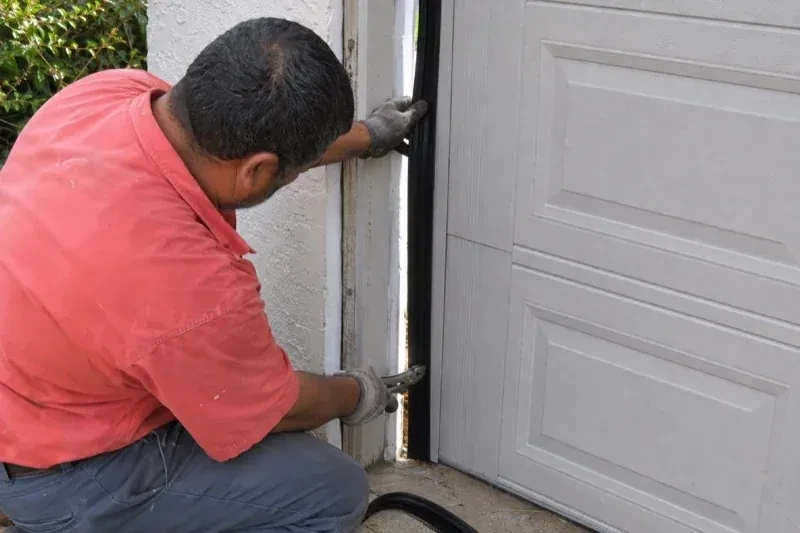
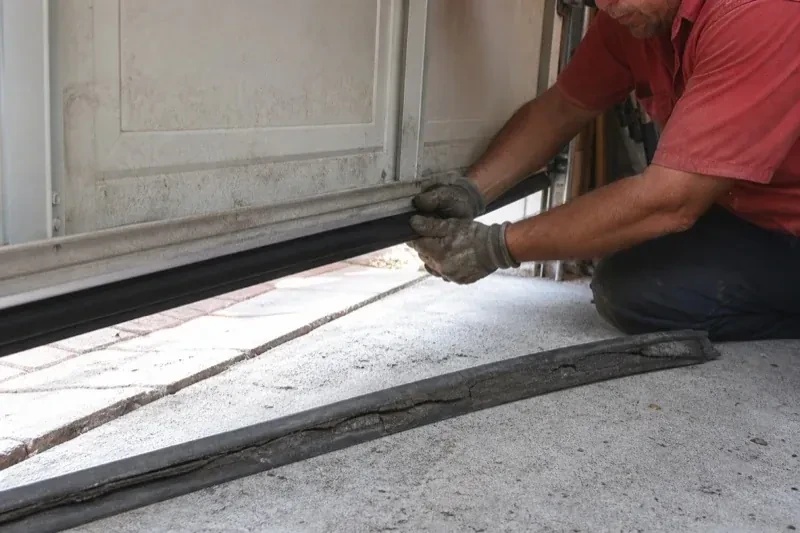
After a windy night there is a fine ridge of snow on the garage floor along one side of the door, and another across the top step. The door was shut the whole time; the snow came in around it.
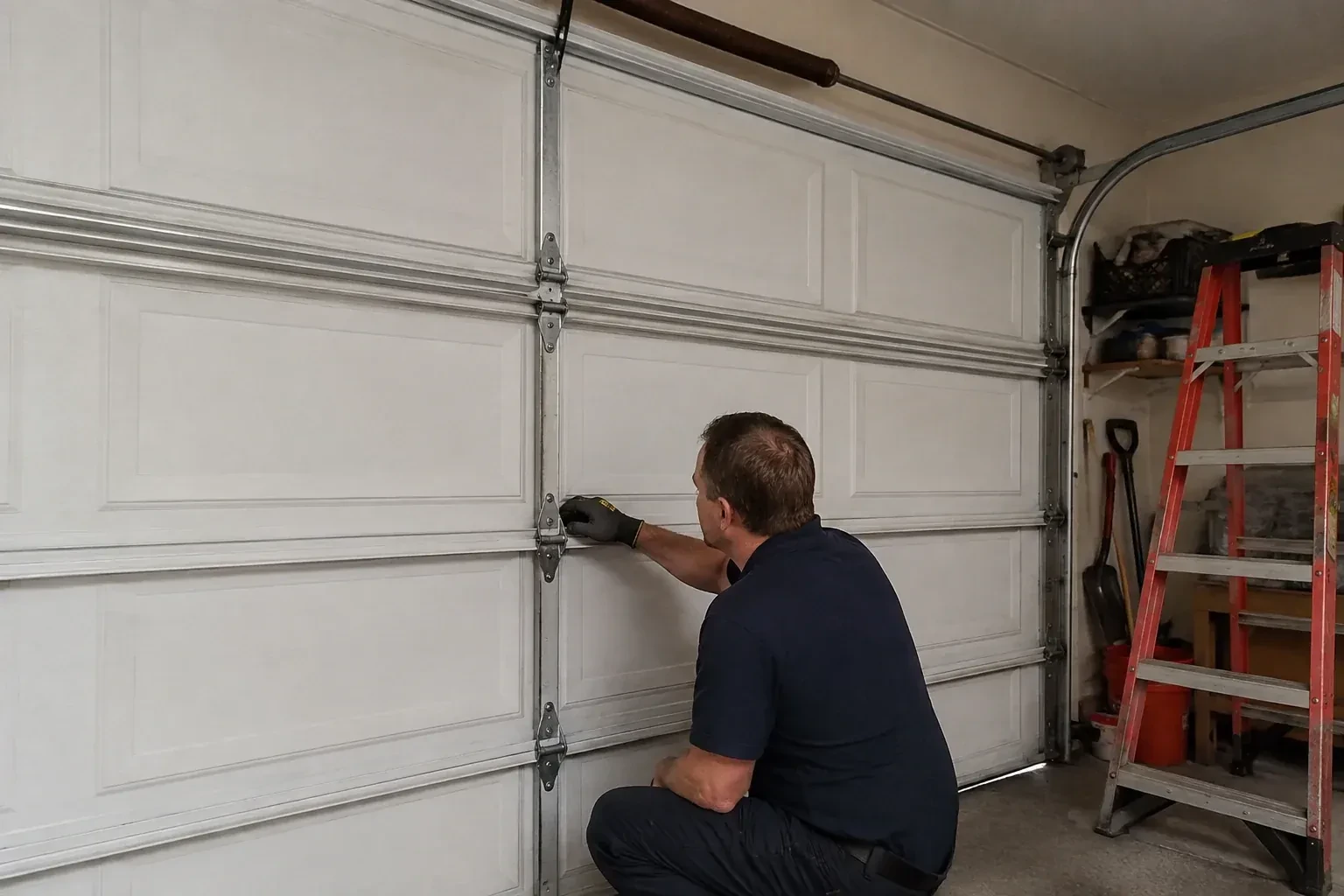
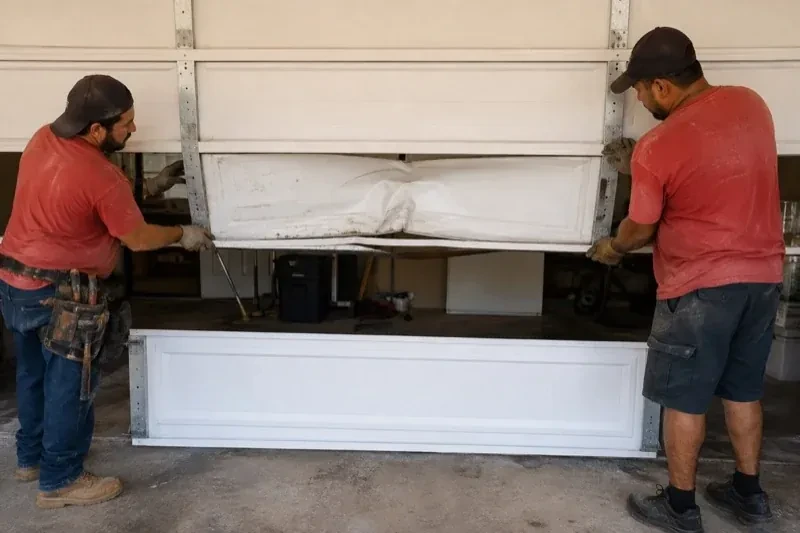
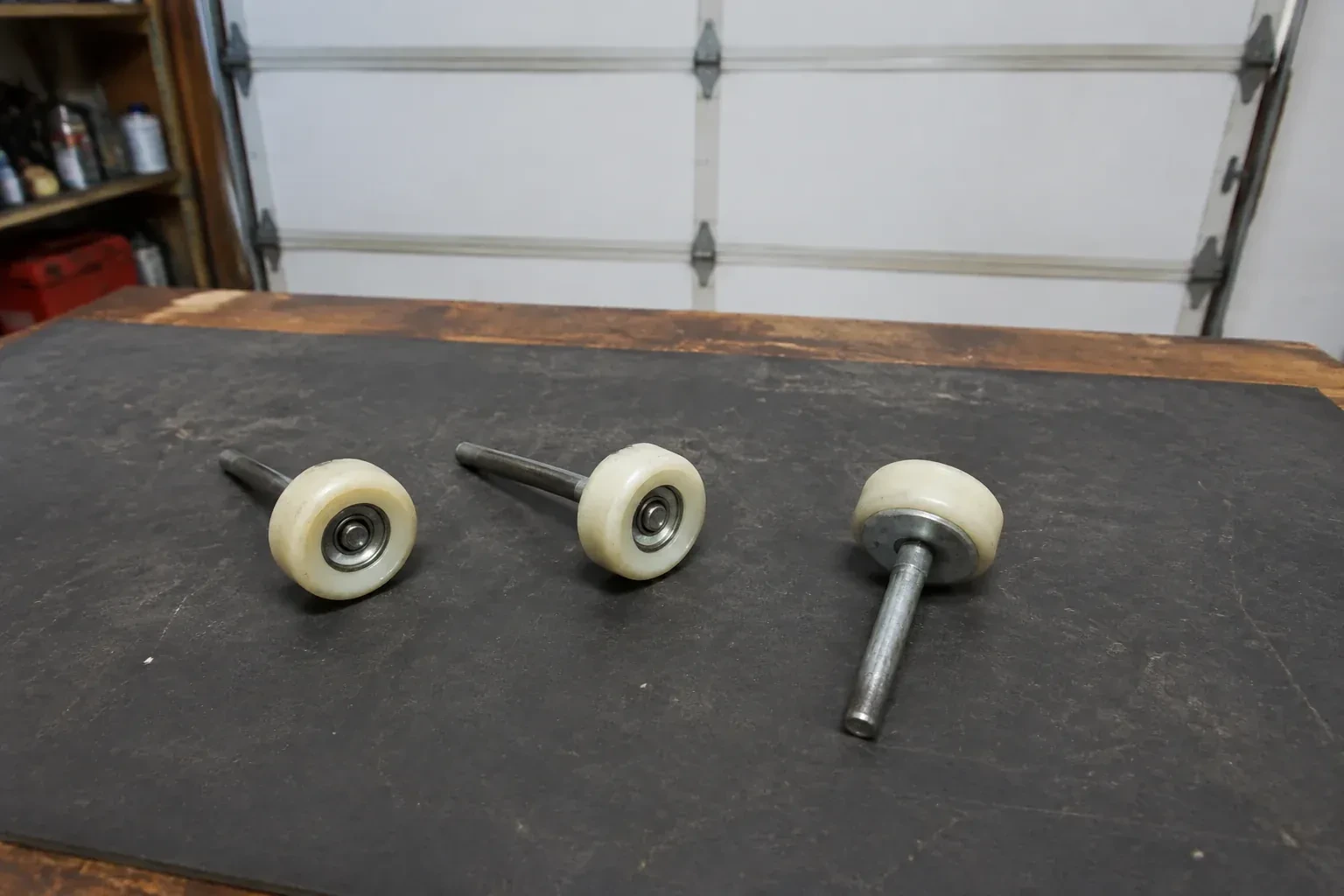
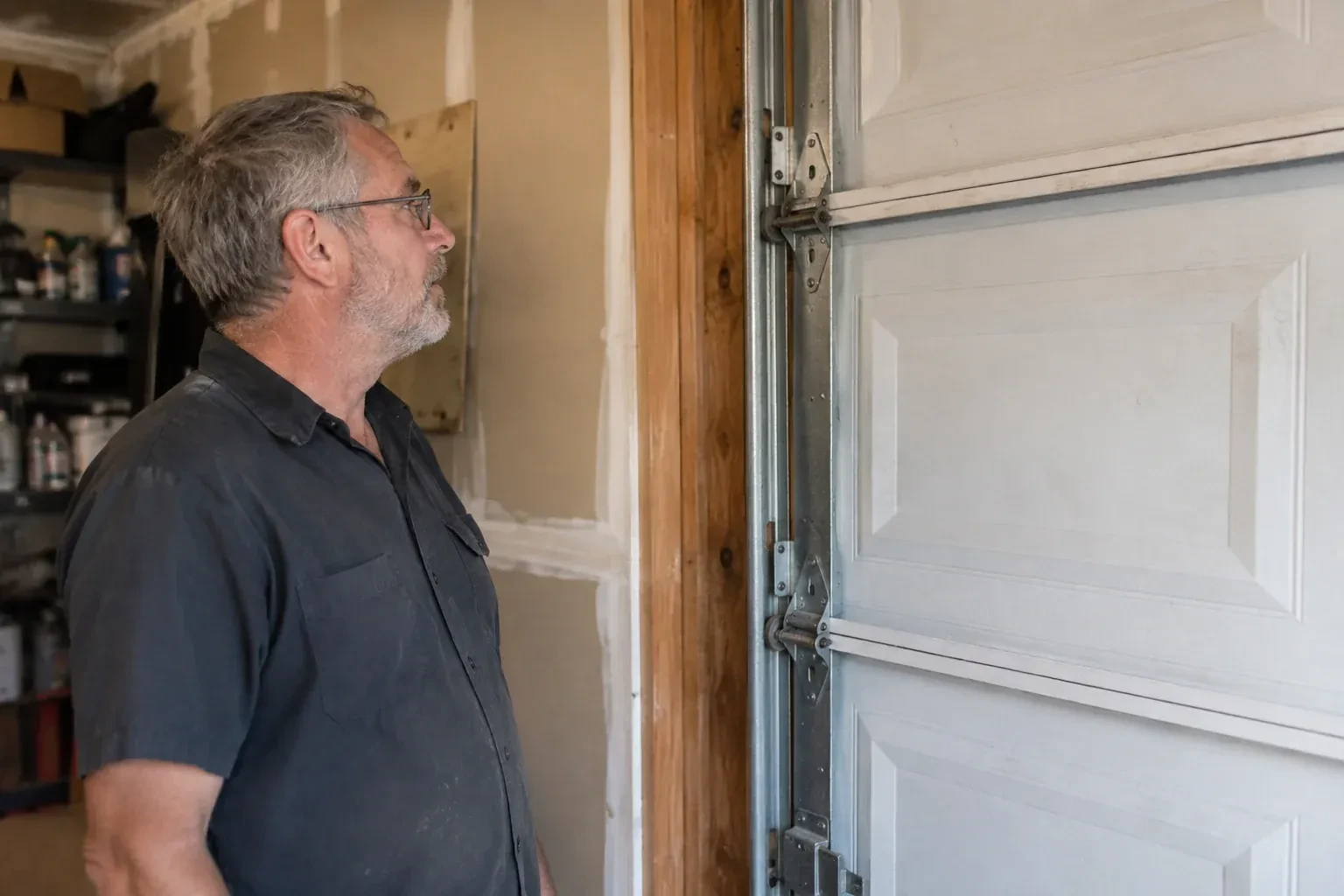
The car nudged the door on the way in. There is a dent low on one end, and above it the hinge that carries the roller is bent so the panel edges rub together and squeal as the door lifts.
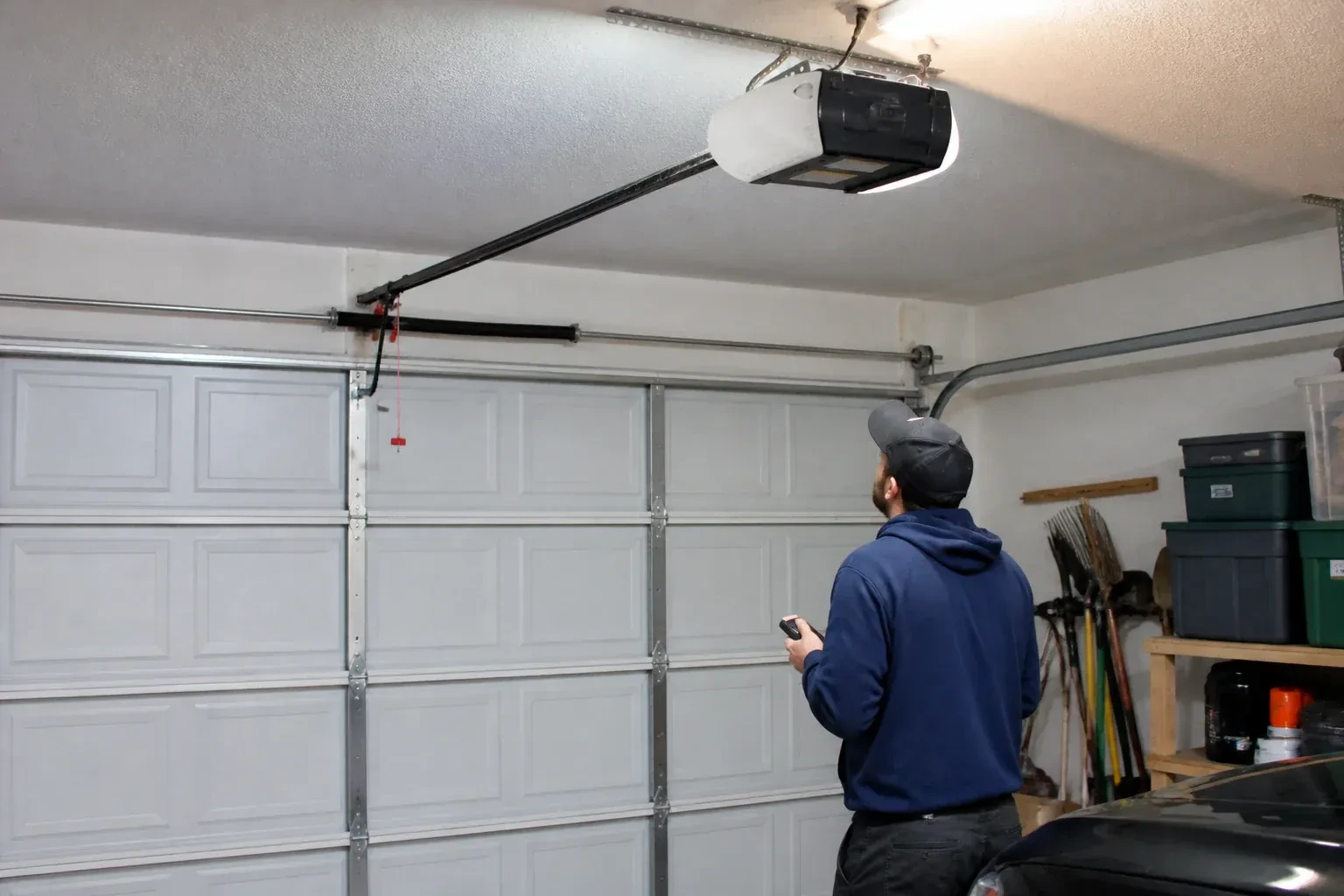
Nothing. No light, no click, no hum from the unit on the ceiling. The remote is dead, the wall button is dead, the keypad is dead. It worked yesterday evening, before the storm knocked the power out for an hour and brought it back with a flicker.
Press the button and the opener hums for a second, then quits. The trolley is jammed hard against a bolt at the very end of the rail near the motor and will not budge in either direction.
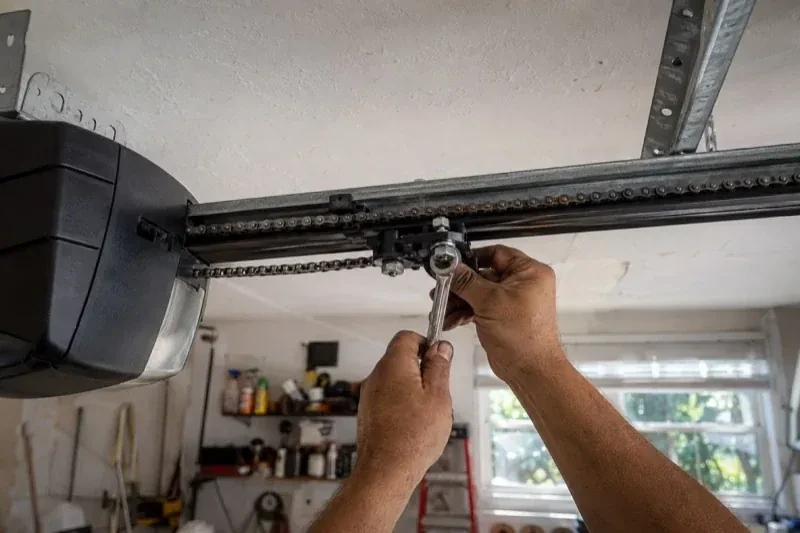
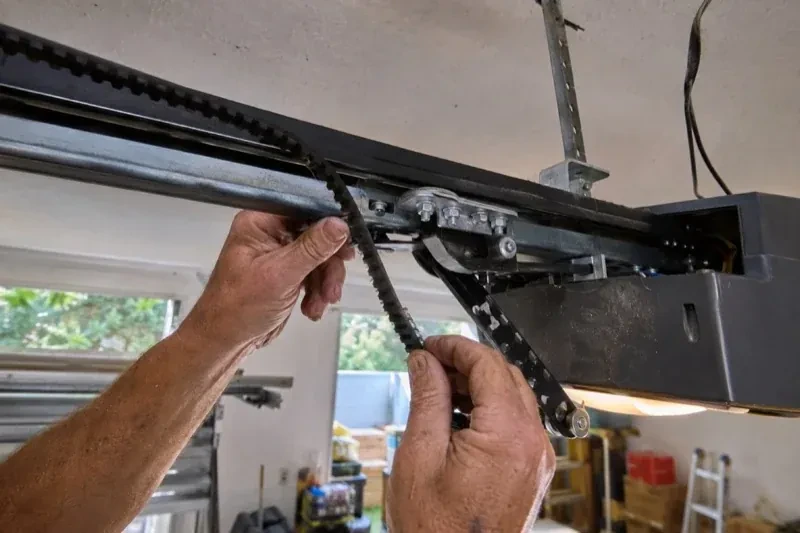
Someone tightened the belt last month to stop the sag. Now the opener sounds like a chain drive, the motor labours on the way up, and the whole rail vibrates under the ceiling.
The remotes only work from the end of the driveway now, and one of them disappeared with a set of keys last month. Inside the remote are tiny switches instead of a learn button, so excluding the missing one means resetting the switch pattern on every remote and the receiver.
One remote lives in a car you sold last spring. The other needs three presses from the driveway and its battery cover is taped on. Your phone is already in your hand when you pull in, and it would make a better opener.
The existing door opens on old tracks that crowd storage near the ceiling. A replacement needs careful measurements for headroom, backroom and opener clearance before the new sections can travel properly.
The ceiling has bulkheads, lighting and an opener competing for space above the opening. Before ordering a glazed door, you need to know which track arrangement will travel cleanly through that limited headroom.
The door goes up perfectly. Coming down is the trouble: partway to the floor it stops, climbs back to the top, and the light on the opener blinks at you.
It is minus twenty in the detached garage and the door climbs in jerks, the belt stiff as a board. By the afternoon, when the sun has been on the door, it runs almost normally again.
The bedroom above the garage shakes every morning at six when the chain drive fires up. Everyone in the house knows the moment someone leaves for work.
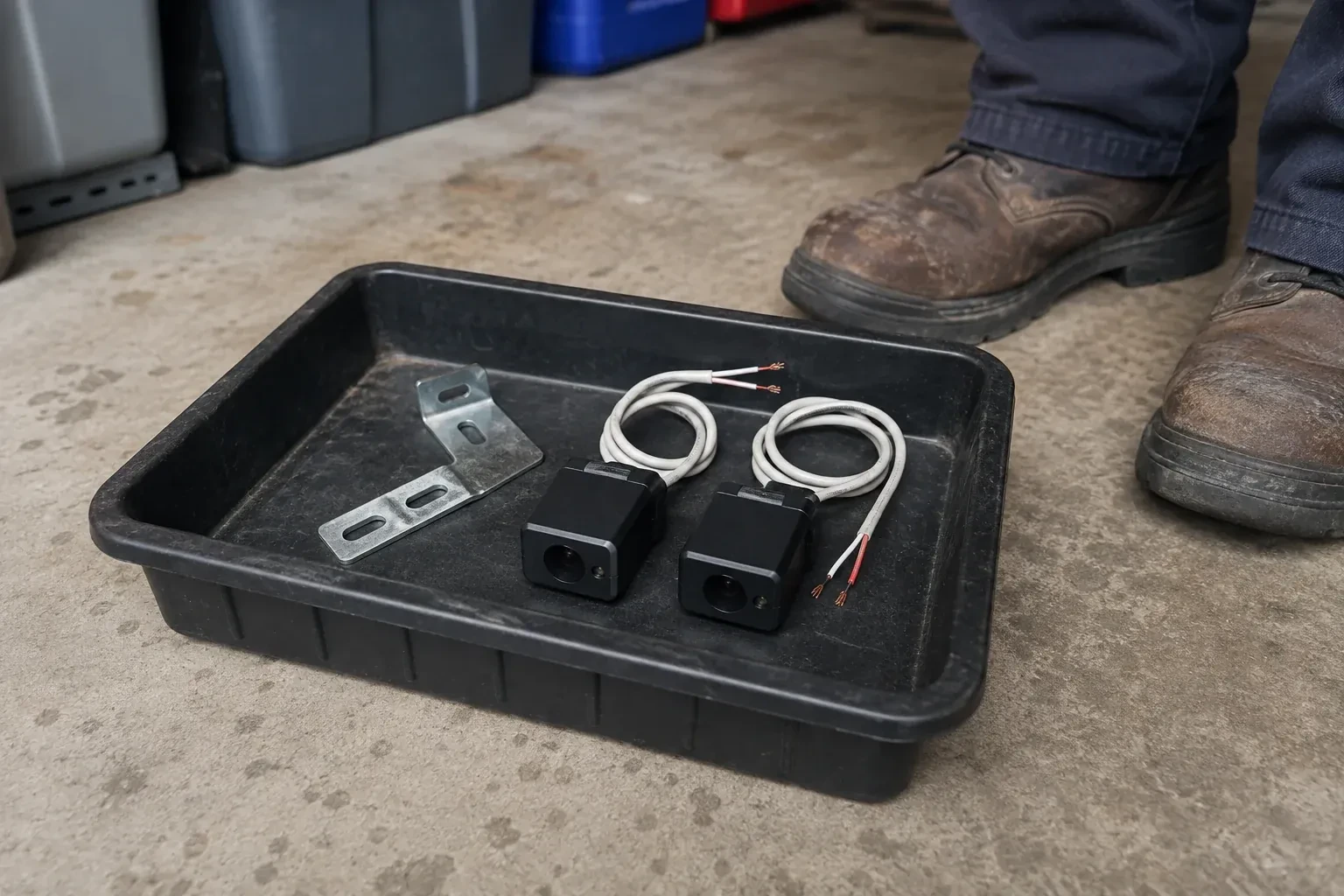
Since shelving went up along the garage wall, the door will not close and both sensor lights are dead. A screw or staple may have gone through the thin wire that runs from the opener to the sensors.
Since the new door went in, the red handle has hung just below the ceiling, a stepladder's height above anyone in the household. During last week's blackout your daughter stood under it with a broom, unable to hook it down.
Which fix fits?
Since the first cold snap the door has been sluggish.
Is a tune-up worthwhile on a door that seems to work fine?
Yes, because a garage door wears quietly. Hinge pins run dry long before they squeal, screws back out a turn at a time, springs lose tension by degrees and sensors drift. A yearly tune-up keeps the door in the condition its maker intended, catches a fraying cable or a cracked hinge while it is a small job, and confirms the safety reversal is doing its work. It is the same logic as an oil change on a car that is still running.
Will a new seal make the room above my garage warmer?
It can help. Drafts around the garage door cool the garage, and the garage cools the floor above it and the wall it shares with the house. Closing the perimeter cuts those drafts, though how much warmer the garage runs depends on the door's own seal, the ceiling insulation and how the space is heated, not the perimeter alone. A technician can talk through those as separate steps if the room stays cold.
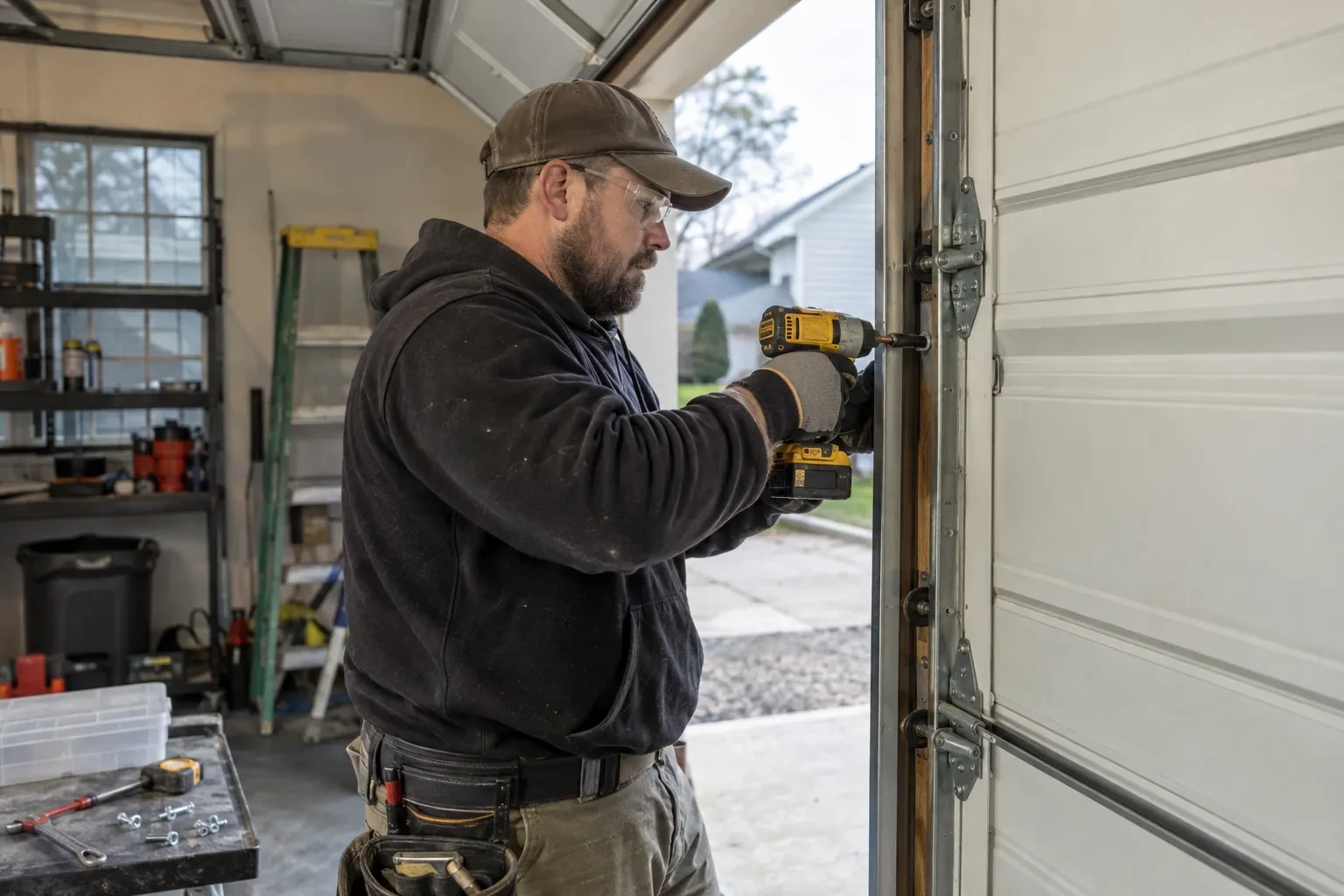
The screws spin in their holes. Can the hinge still be fitted securely?
Yes. A stripped hole is common on older steel doors and on wood doors where the timber has softened. The technician either shifts the hinge to fresh metal within the stile, uses a larger self-drilling screw that cuts new threads, or drills through and fits a bolt with a nut and washer or a backer plate on the inside. Any of these gives the new hinge a firmer anchor than the original screws had.
My opener went completely dead after a power outage. Is it finished?
Not usually. Outages and the surges that ride along with them commonly trip a breaker or a ground-fault receptacle, blow the small fuse on the board, or knock out the transformer, and each of those is a modest repair. A surge that damages the logic board itself is the more serious case, and whether that board is replaced or the unit retired depends on the model's age and part availability. The diagnosis tells you which case you have.
My opener is decades old. Can the chain drive still be repaired?
Often, yes. Gear kits, sprockets, chains and trolleys are still made for many older heads, and tension, phase and limits can be set on almost any unit. The limit is parts: some makers no longer support units made before the mid-1990s, and those also lack the photo-eye protection expected today. The technician checks parts availability for your model and lays out repair beside renewal so you can decide with the facts.
How long does a belt-drive repair take?
A tension adjustment with the safety tests is a short visit. Replacing the belt, trolley or idler pulley, then phasing the motor, relearning limits and running the reversal tests, is usually an hour or two. A gear-and-sprocket kit at the motor head takes longer because the head unit is opened. If the balance test turns up spring work, that is agreed as a separate job with its own time.
Can my phone control the door?
Yes, with a Wi-Fi capable operator or a small add-on hub for a compatible unit. The app opens and closes the door, shows whether it is up or down, sends an alert if it has been left open and can close it on a schedule. The garage needs a usable Wi-Fi signal at the head unit, which the technician checks during the assessment; a range extender solves a weak signal in a detached garage.
How long does the setup take?
A built-in radio that only needs pairing and an account is the shorter visit. A retrofit hub with wiring, a sensor and network work takes longer, and adding an access point for a detached garage or correcting photo eyes first adds to it. The testing at the end, every control plus the safety tests, is never rushed. You are told where things stand once the compatibility check is done.
What information should I receive at handover?
Keep the door and opener manuals, product identification, care instructions and a description of the installed hardware. The closeout should also note manual balance, full-cycle travel and applicable safety tests. Window, finish and seal details help with future care, while model and component records make later parts selection more accurate than relying on appearance alone.
Why are spring and cable adjustments handled professionally?
Springs counterbalance the door through stored energy, while cables connect that lifting force near the bottom fixtures. Correct work requires the door to be restrained, the specified parts, suitable winding tools and a model-specific sequence. Trained personnel set the system for the finished glazed-door weight, then verify cable seating, equal lift and balance before normal operation.
Request a visit
Our technicians in Phillipsburg carry the winding bars, clamps, stands and gauges the work needs and use them every time, on every door. Spring sizes are measured, not guessed; cable lengths are matched to the drums; opener force is set with the door balanced. The result is a door that behaves.