New Doors · Haysville
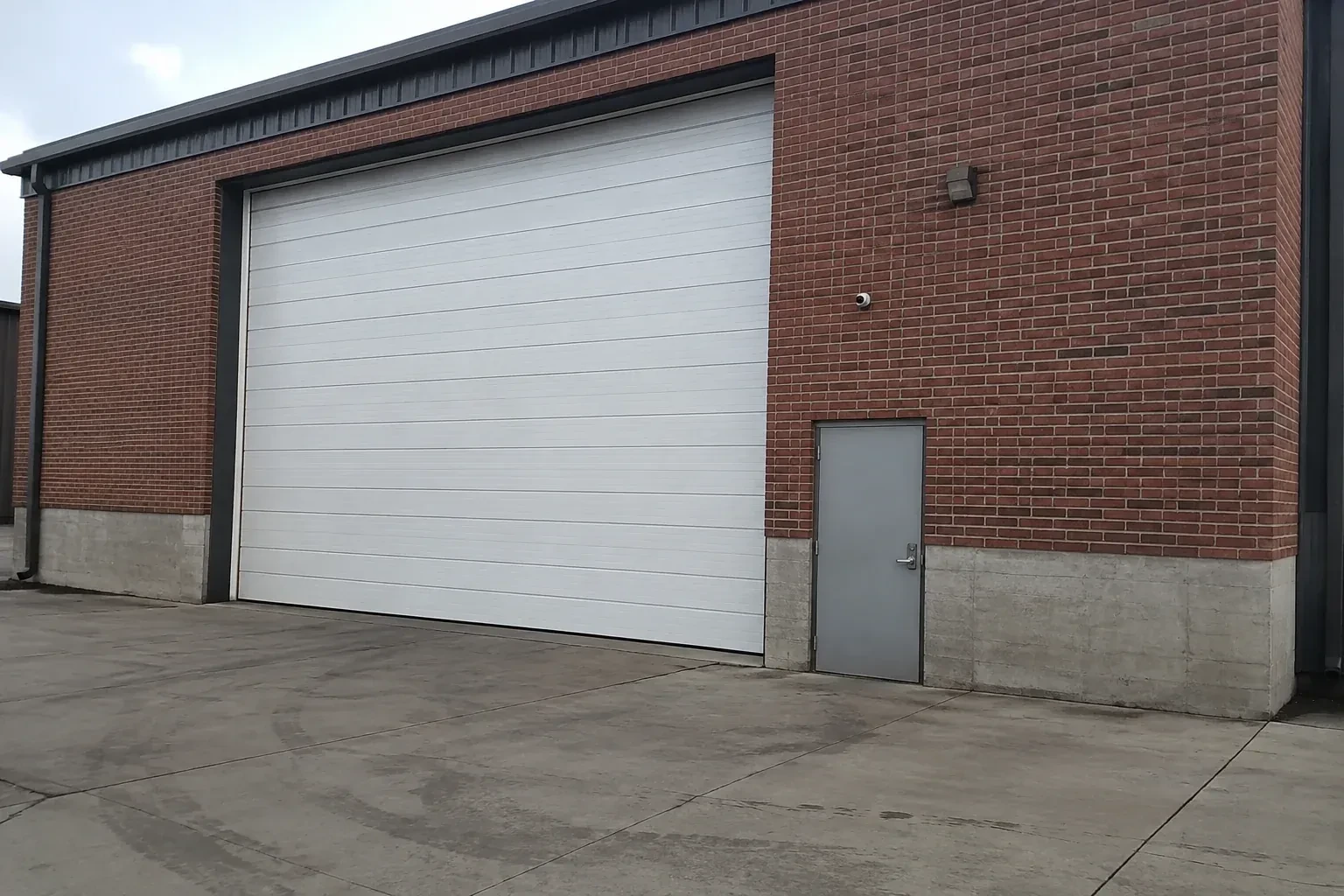
Commercial Sectional Door Repair in Haysville
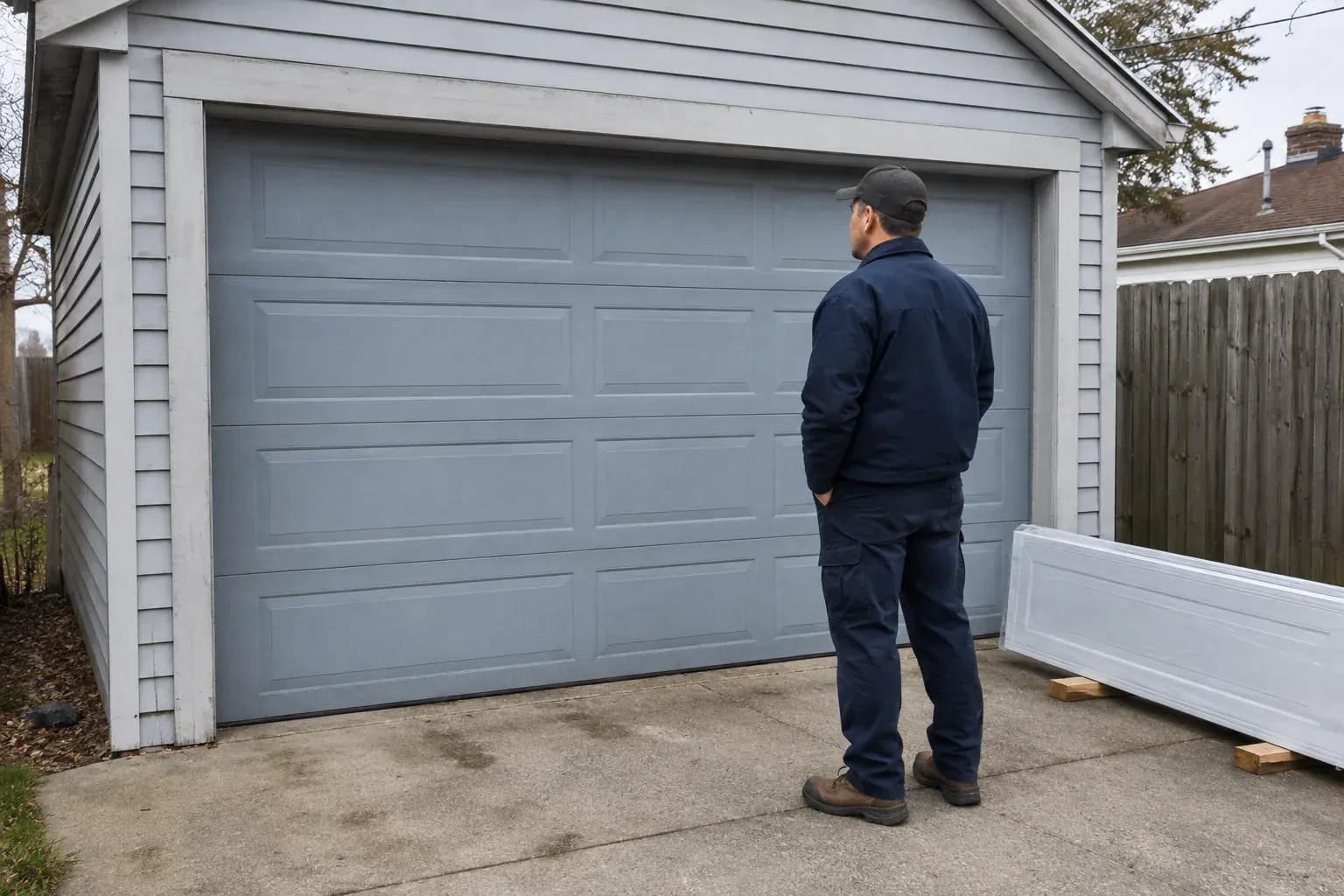
Cold weather has exposed a widening gap below the closed door.
In plain words
For a facility with several sectional doors, the repair visit can separate one isolated failure from wear shared across similar openings. Door identification, cycle demand and service history help explain why one bay developed loose hinges, tired rollers or spring imbalance first. The affected opening receives the defined repair, while comparable components on adjacent doors can be visually noted for planning. A clear service record then identifies what changed, which settings were tested and what routine observations facility staff can continue between visits.
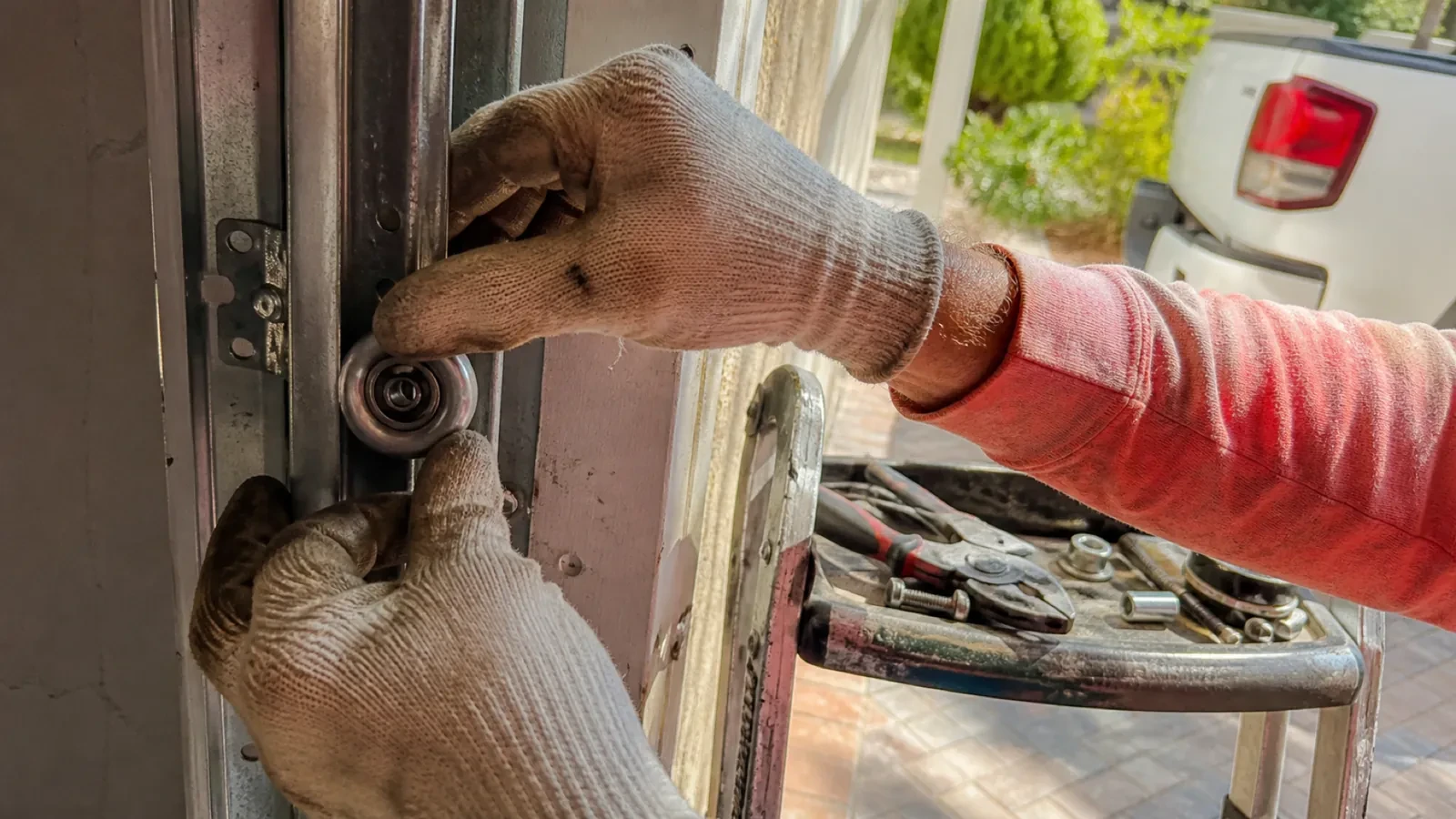
How the visit goesEach opening cycle brings a metallic knock followed by a shudder through the horizontal track. The sound grows near the curve, where a worn roller and loose hinge allow the section to shift under load.
Commercial Sectional Door Repair
How the visit goes
Checking balance before the operator
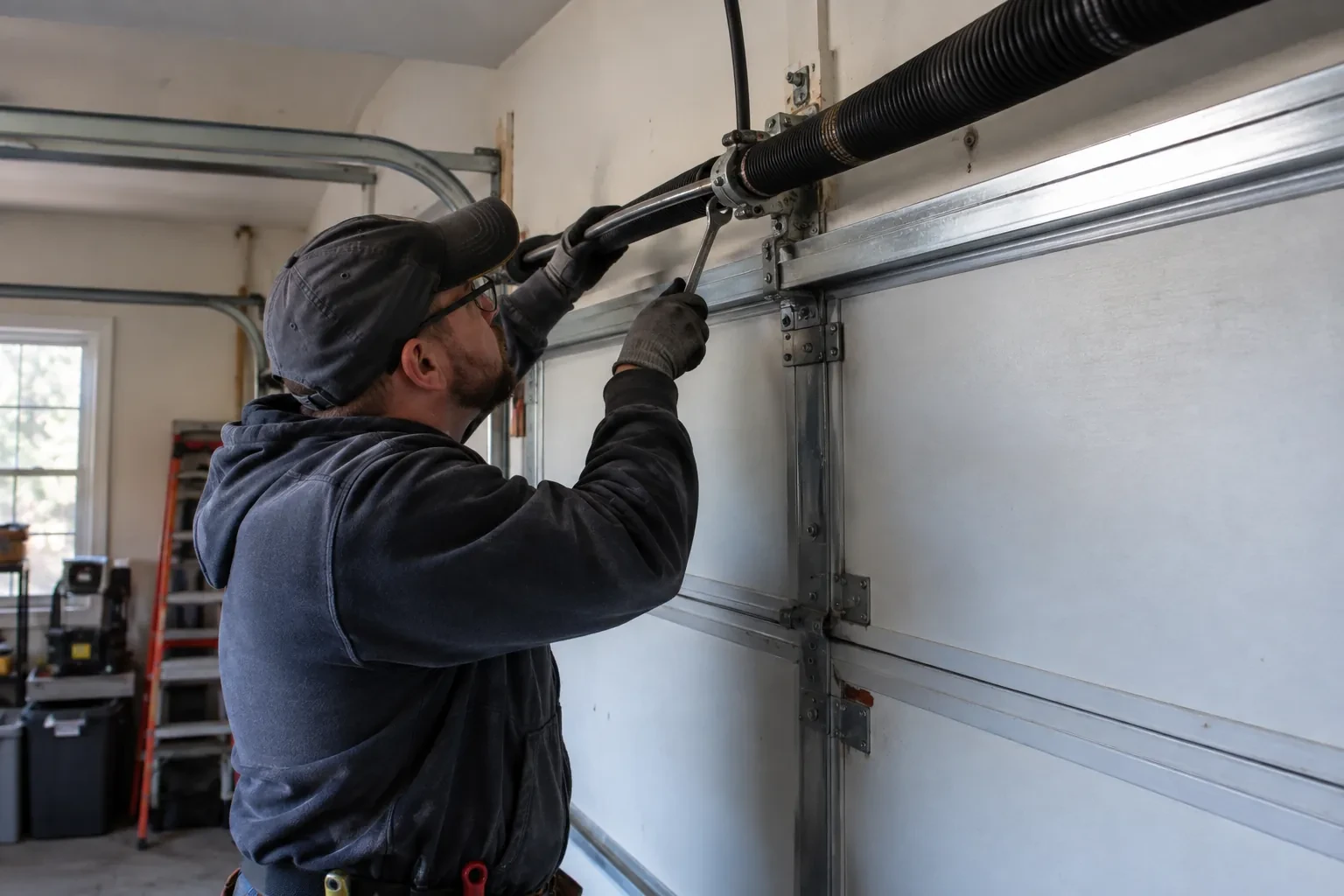
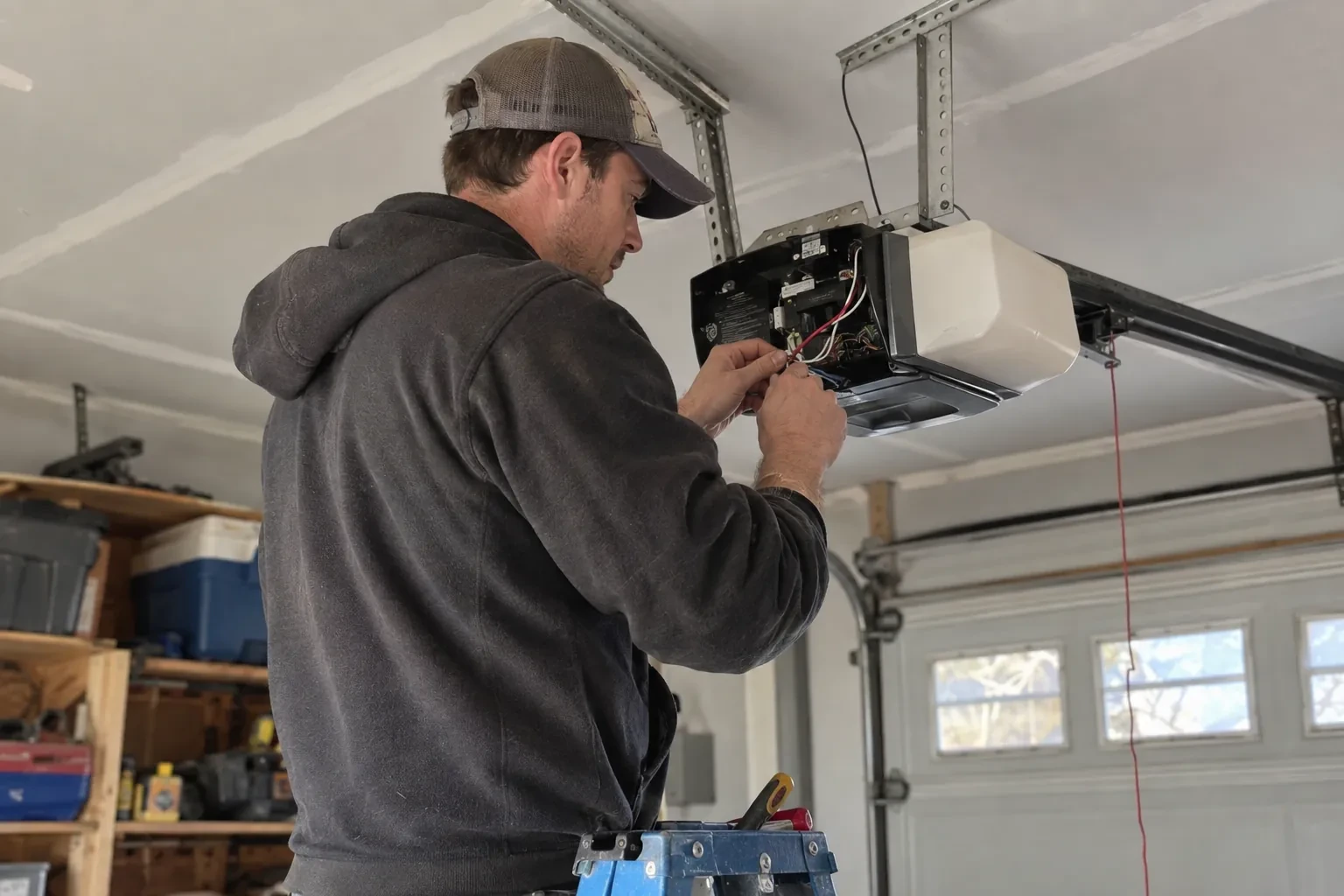
When the motor hums, stalls or strains, the door itself is assessed before settings are changed. With the system safely placed for manual evaluation, the technician checks whether the door moves freely and remains controlled through its range. Spring condition, cable wraps, rollers, track obstructions and any active lock are reviewed. Only after the mechanical load is understood does attention move to the drive chain, sprockets, clutch or brake, travel limits and controls. This sequence separates an operator issue from resistance created elsewhere in the assembly.
Completing a system-wide test
After tools and supports are cleared, the technician observes the repaired assembly through its entire range. Manual balance is evaluated where the design permits, followed by powered cycles that show cable tracking, roller travel, section alignment and final seating. The operator's stop and reverse responses are checked with its installed protective devices. Unusual vibration, contact marks and loose connections receive a final review. The service record identifies parts fitted, adjustments made, test results and any separate maintenance items the facility may wish to schedule.
Operator settings matched to the door
Once limits and controls are set, the powered system should stop at a useful open height, close onto the floor without excessive pressure and respond consistently to its protective devices. Staff can keep photoelectric lenses clean, avoid moving their brackets and include the sensing edge in routine operational checks. The manual hoist or release instructions remain near the control station for designated personnel. Any later mechanical repair should be followed by another operator review, because door weight, balance and travel position all influence powered operation.
Commercial Sectional Door Repair
In the van
Numbered end hinges
Shafts and bearings
Reinforcement struts
Vertical and horizontal track
Bottom fixtures
Commercial Sectional Door Repair
What affects the quote
Counterbalance components involved
Spring count, shaft arrangement, drum type, cable dimensions, bearings and bottom fixtures determine which tensioned parts must be controlled, replaced and reset together.
Number of affected openings
A single bay with one defined fault differs from a facility request covering several numbered doors, separate symptoms and individual operational tests.
Track support condition
Loose back hangs, shifted brackets, damaged splices or weak anchors add alignment and support work beyond replacing the visibly bent length of track.
What to have ready
- Is the door operated electrically, by hoist or by hand?
- Which controls or sensors show unusual behaviour?
- Which numbered bay or opening needs repair?
Commercial Sectional Door Repair: questions
QuestionsWhat can staff prepare before the repair visit?
Clear vehicles, pallets and stored materials from both sides of the opening and arrange another traffic route. Have the door number, model information, control location and service record available if possible. Note where in the cycle the symptom occurs and whether there was an impact or recent change. Access to the electrical isolation point may also be needed.
How are springs and cables handled during repair?
The technician first controls the door's weight and position with suitable supports or clamps. Stored spring energy is then managed with proper winding tools and a defined sequence before connected parts are loosened. Cables, drums and springs are matched to the door and lift geometry, installed with the system secured, and checked for level tension through controlled movement.
Why is the door lifting higher on one side?
Uneven travel commonly points to a lift-cable or drum issue, though a displaced roller, bent track or damaged bottom fixture can create a similar angle. The door is supported first, then both lifting sides are compared for cable condition, drum seating and hardware position. Correcting the cause and restoring equal tension brings the bottom edge back to level movement.
Related services
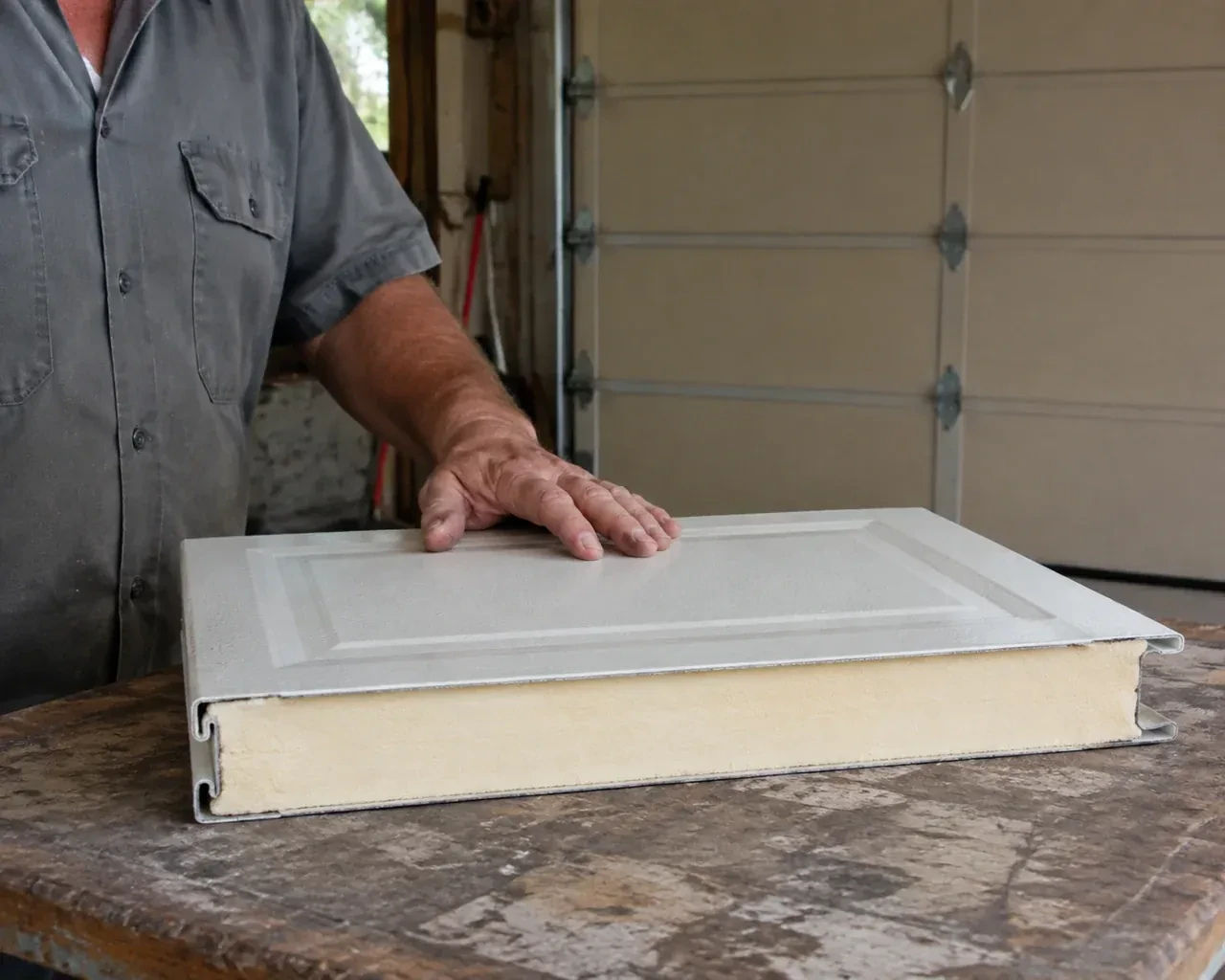
- Insulated Steel Garage Door InstallationDaylight appears beside the closed door and powdery snow collects just inside after windy weather.
- Wind-Rated Garage Door ReplacementA recent wind event left one section slightly creased, a strut twisted, and several track fasteners loose.
- Carriage-House Garage Door InstallationThe existing door has reached the point where panels, rollers and finish all look tired.