Openers · Blandford-Blenheim
Garage Door Remote and Keypad Programming in Blandford-Blenheim
The remote opens the door only when you are almost underneath it.
In plain words
An outdoor wireless keypad lets the household in without a remote, and programming it properly is more than typing a code. The technician pairs it to the opener, sets a personal code you choose, and on many models adds temporary codes that expire after a set number of hours or openings, handy for a cleaner or a delivery. The keypad is programmed before it is screwed to the wall, fitted with fresh batteries suited to a cold climate, and mounted where a child cannot reach it and the door is in view. Codes stay private; they are not written on the paperwork.
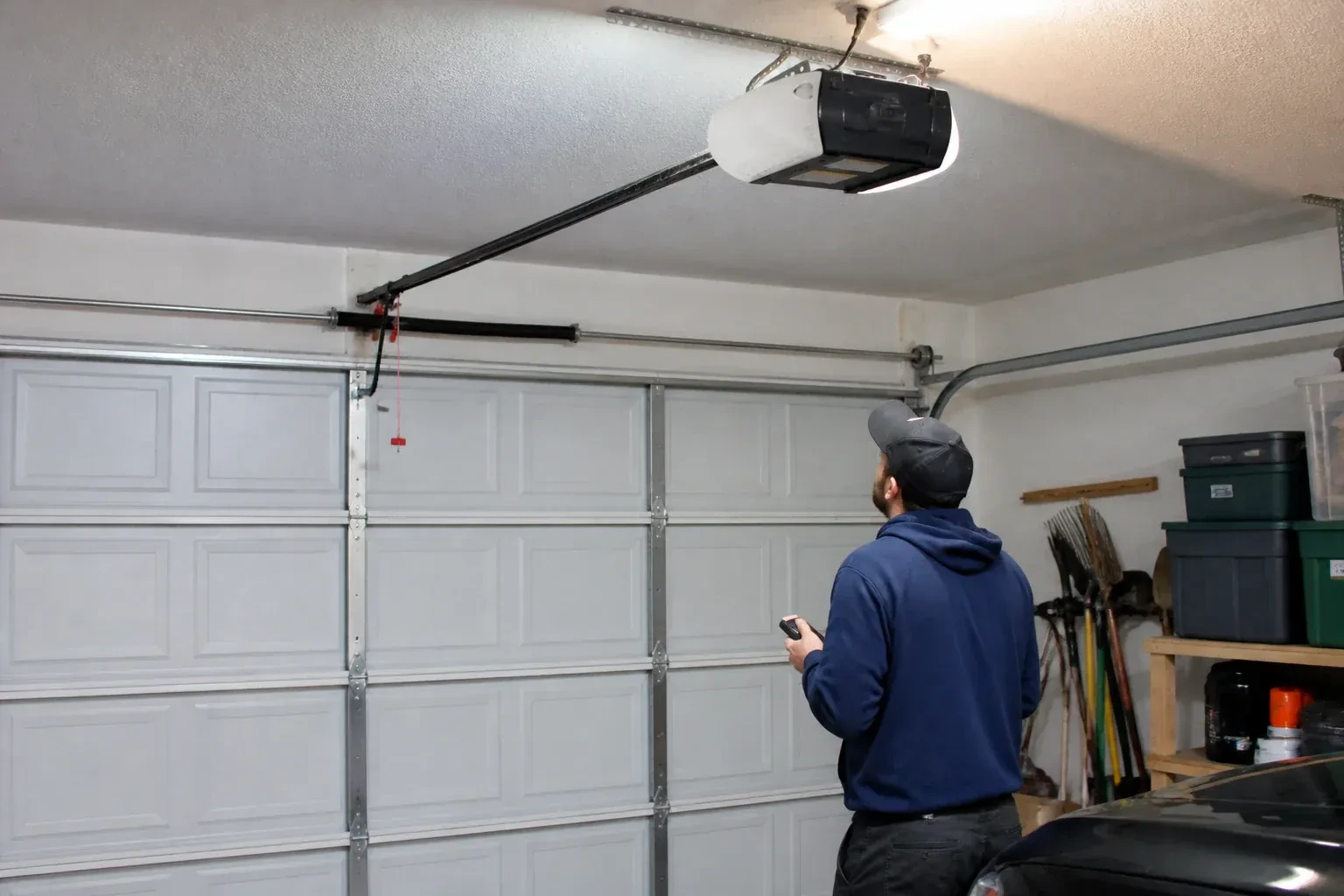
How the visit goesSomeone in the family tried to add a remote, held the button on the ceiling unit a little too long, and now every remote in the house is dead at once. The wall control still moves the door. The remotes act as if they were never programmed.
Garage Door Remote and Keypad Programming
How the visit goes
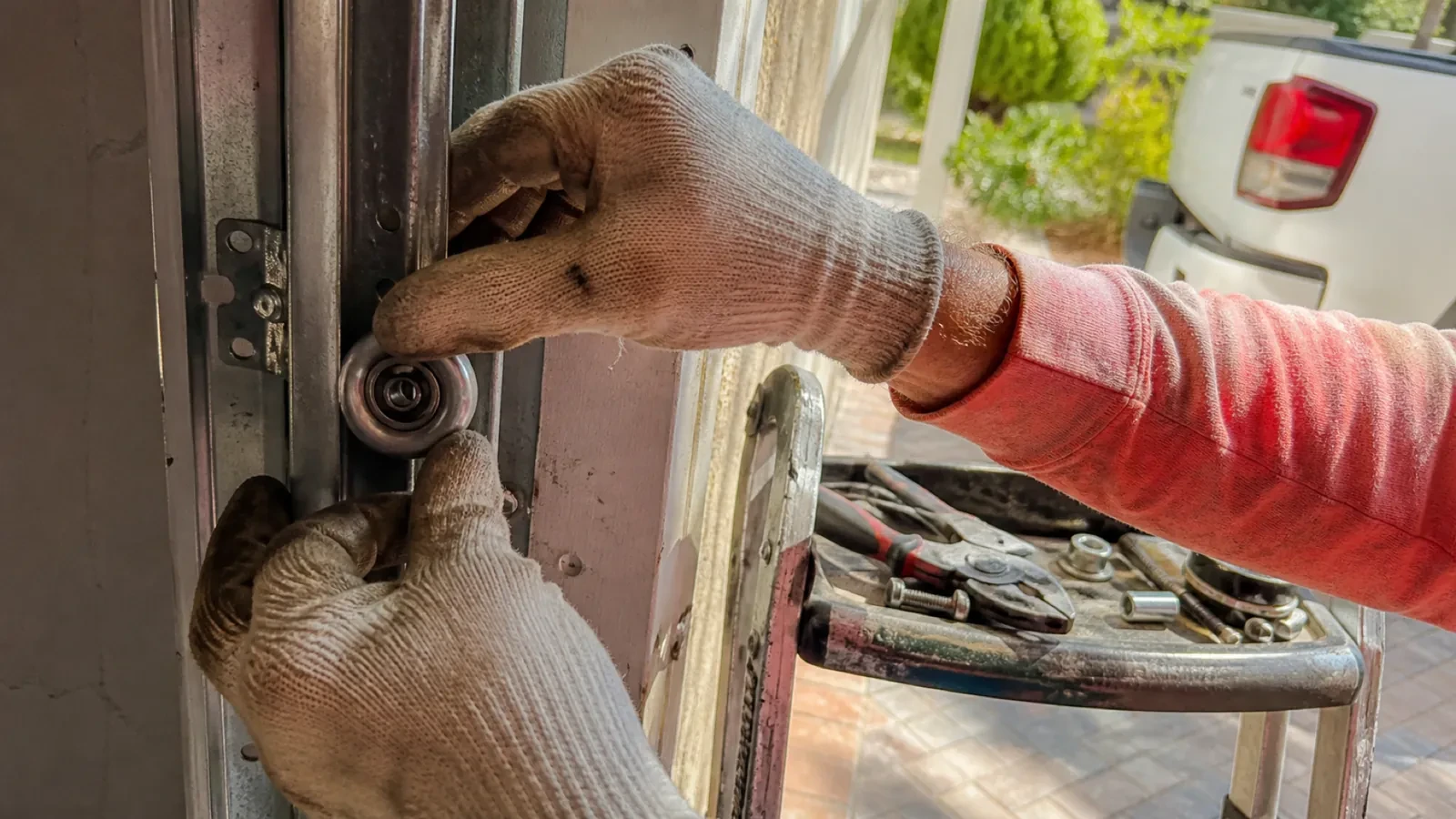
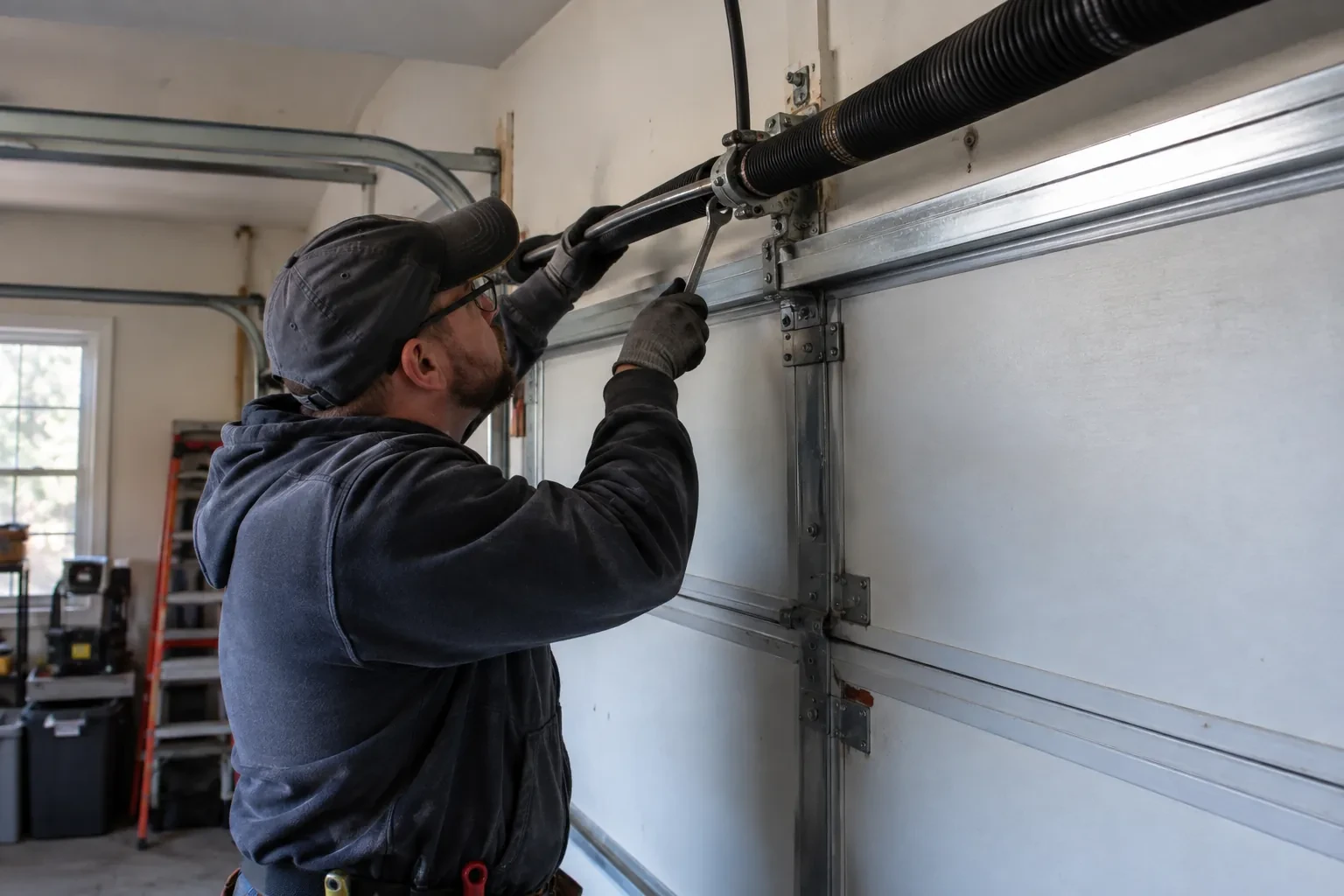
The keypad on the outside wall
An outdoor keypad gets its own look. The technician checks whether it lights when pressed, whether the door responds to the existing code from close by, and what condition the buttons, slide cover and battery compartment are in after years of weather. A keypad that accepts a code but does not move the door may be unpaired, low on cells, or hearing interference. A code nobody remembers is not a dead end: the keypad can be reset and given a new code during programming. The mounting height and sight line to the door are noted, since a keypad should sit out of children's reach and where the door can be seen.
Bringing a fixed-code opener into the present
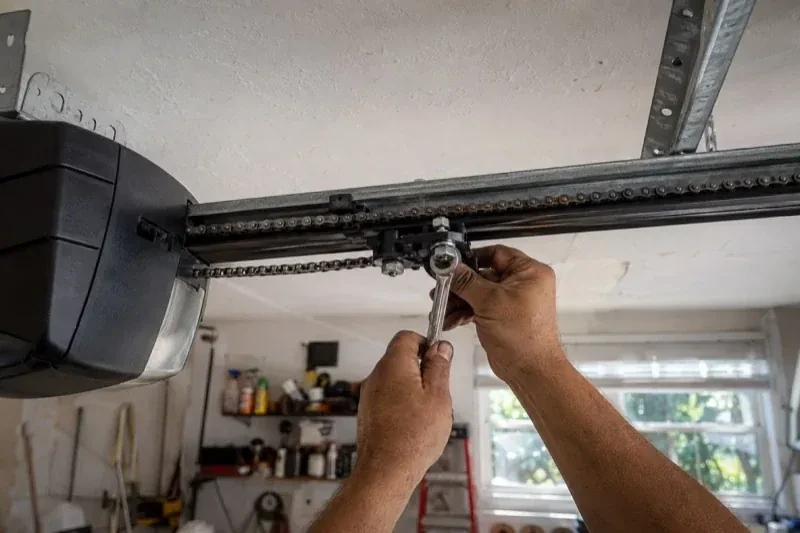
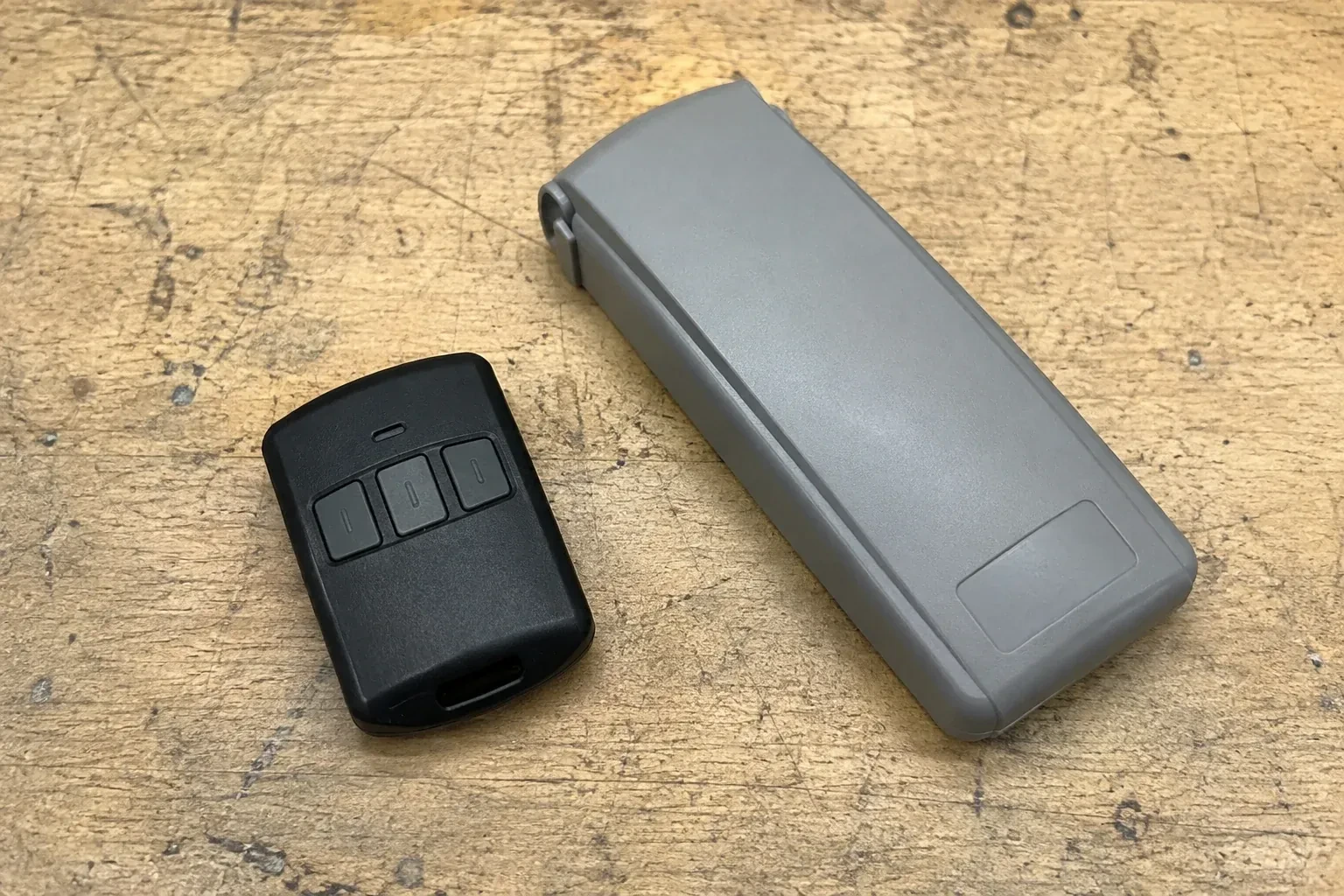
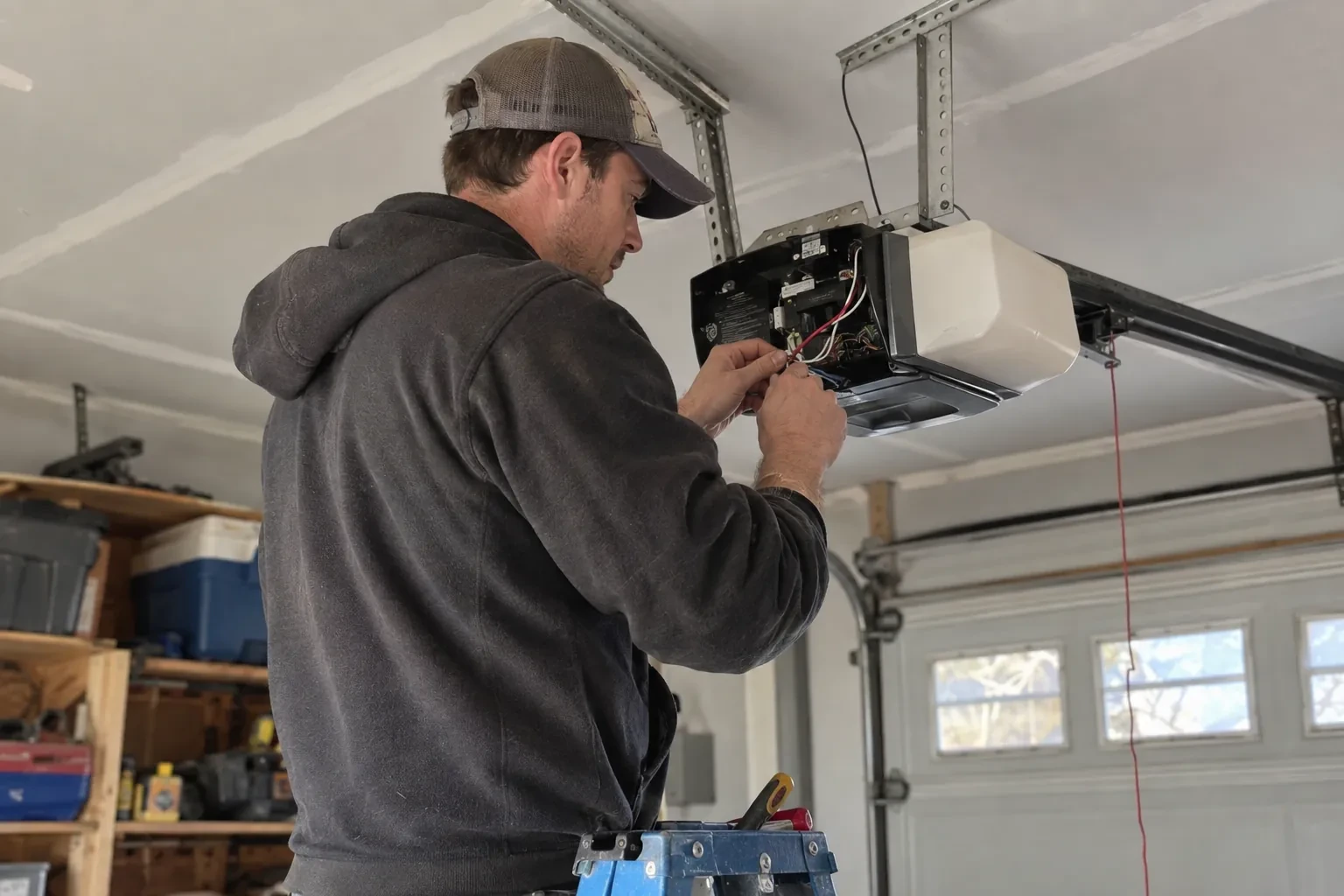
For an older opener whose remotes were set by rows of small switches and are no longer made, the work is a receiver upgrade rather than a pairing. The technician mounts a compact rolling-code receiver near the head unit, wires its two conductors to the same terminals that serve the wall button, and plugs its transformer into the ceiling receptacle beside the opener. The opener now has a modern radio and can store a handful of new remotes and a keypad. This route is used only when the opener already has photo eyes at the floor; without them, the recommendation is a new opener.
Codes kept private, visitors kept temporary
Your keypad code is yours alone. It is not written on the invoice or left in the garage, and it is chosen to be something other than the house number or a birth year. On keypads that support them, you have learned to set a temporary code for a cleaner, a trade or a house-sitter that stops opening the door after a set number of hours or uses, and you know how to change the main code yourself from the instructions. If a code is ever shared too widely, changing it is a two-minute job rather than a service call.
Garage Door Remote and Keypad Programming
In the van
In-vehicle compatibility bridge module
Universal multi-generation remote
CR2032 and CR2016 coin cells
Contact cleaner and fibreglass brush
Low-interference replacement bulbs
Garage Door Remote and Keypad Programming
What affects the quote
Add-on receiver for an older opener
Converting a fixed-code opener means a receiver kit, wiring to the wall-button terminals and new remotes, quoted as an upgrade rather than a programming call.
Access to the head unit
A high ceiling, a storage loft or a car that cannot be moved from under the opener means extra ladder work to reach the learn button.
Vehicle buttons to train
Vehicle programming is quoted by the actual vehicle and opener combination, since not every built-in system uses the same steps; an older vehicle that needs a bridge module adds that part.
What to have ready
- Do you own the home, rent it, or is the garage shared with other units?
- Is the light on the wall control blinking steadily?
- Do you have a keypad outside, and does anyone still know its code?
Garage Door Remote and Keypad Programming: questions
QuestionsHow many remotes can one opener store?
It depends on the unit. Older head units and add-on receivers hold a handful of devices, often fewer than ten, while newer openers store dozens of remotes, keypad codes and vehicle buttons. When a memory is full, the oldest entry may be overwritten or the new device refused. Taking stock of which controls are still in use, and clearing the ones that are not, keeps space for the devices that matter.
My older car's button will not learn my new opener. Why?
Some in-car systems from earlier model years cannot hear the newest opener radios directly. The usual answer is a small compatibility bridge module that pairs with the opener and relays the car's signal, or a handheld remote clipped to the visor. The technician identifies the car's system and the opener's generation and chooses whichever gives a reliable result.
What is rolling code and why does it matter for programming?
Most openers made from the mid-1990s on change their code every time a remote is pressed, choosing from billions of possibilities, so a copied code is usually useless next time; the technician confirms the actual system from the model, not age. Programming matters because the opener has to learn each remote's sequence at the learn button; a remote cannot simply be set to match. Older fixed-code openers, set by small switches, can be upgraded with an add-on rolling-code receiver.