New Doors · Wilmot
New-Construction Garage Door Installation
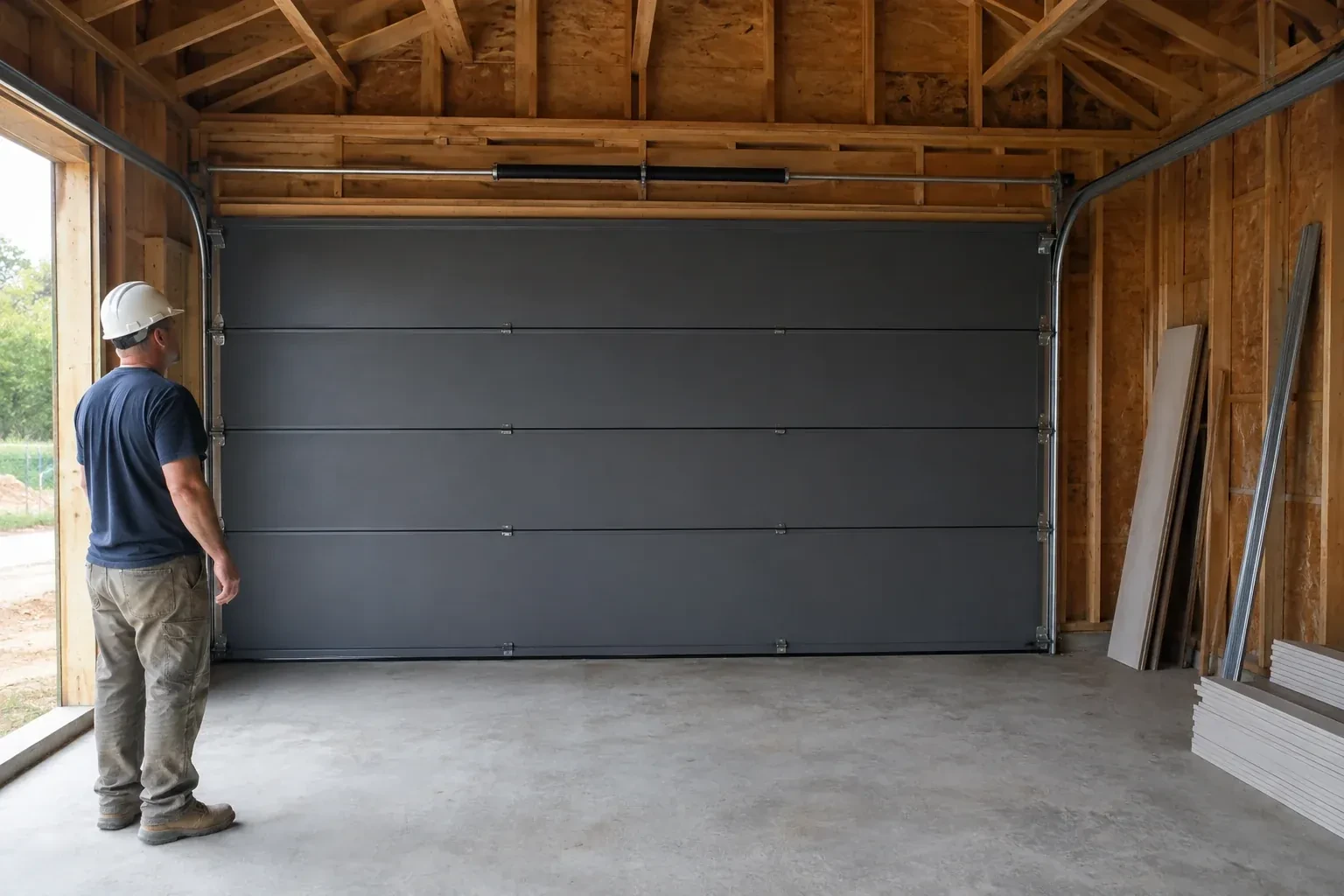
This garage will be heated and used beyond parking, so the opening needs more than a basic closure.
In plain words
A successful installation begins before the door arrives. Drawings and selections are compared with field measurements, including finished floor elevation, cladding thickness, ceiling obstructions and the support available at the jambs and header. This check keeps the chosen section design, track layout and spring system connected to the building that will carry them. Once the site is ready, the complete assembly is fitted, aligned and balanced, then documented for the owner and other project trades.
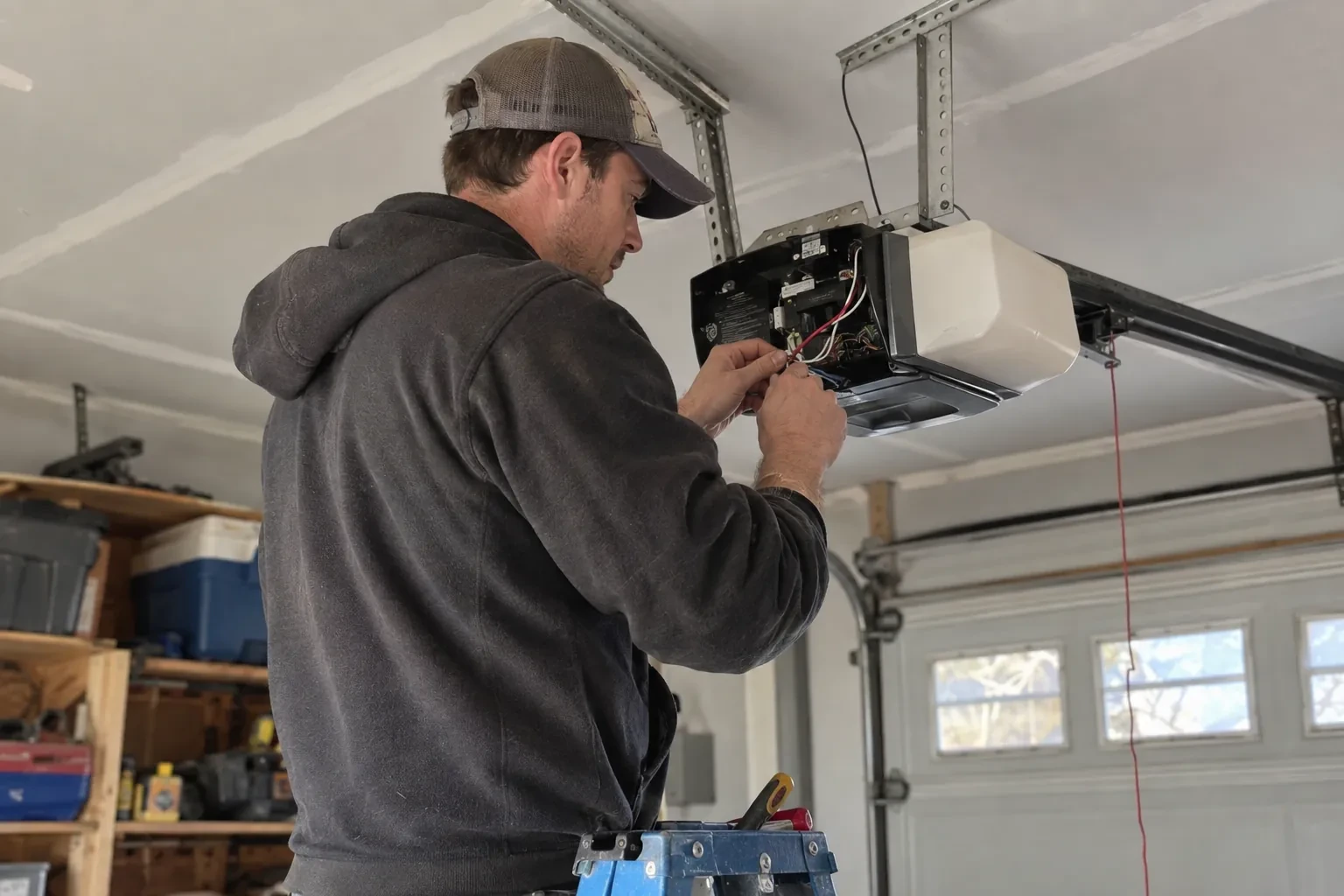
How the visit goesPower and low-voltage wiring are being roughed in while the garage is open. The operator location, ceiling supports, wall control and photoelectric sensors need to align with the door before finishes close everything in.
New-Construction Garage Door Installation
How the visit goes
Setting the installation window
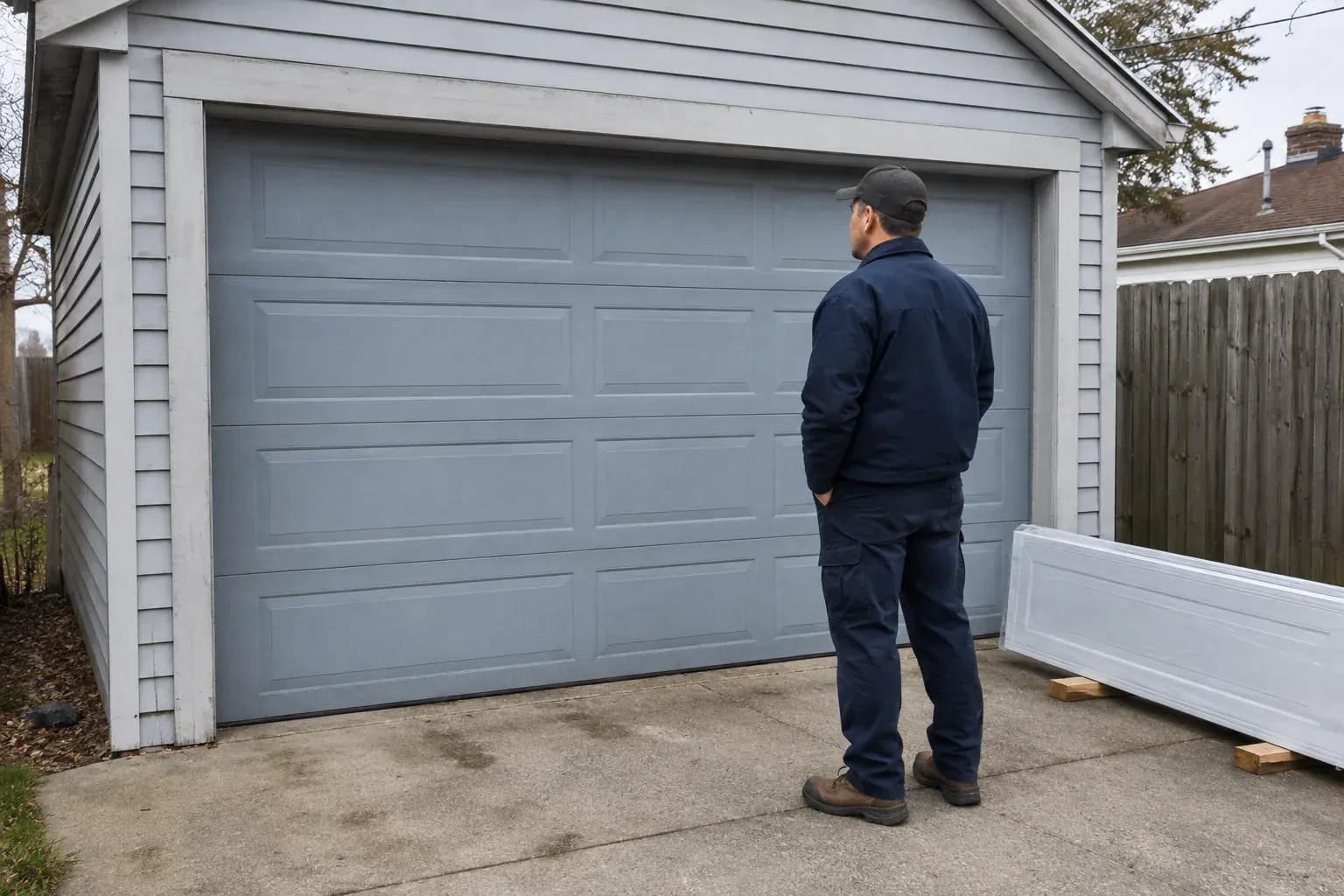
Site readiness includes timing as well as dimensions. The opening should be available, final reference surfaces established and the route for door sections clear. The installer confirms delivery access, protected staging space and whether lifts, scaffolds or other trades occupy the work zone. Electrical completion, floor coatings and exterior trim are placed in sequence around the door work. The builder and installer then have a shared completion point: a tested door system, a tidy opening and named follow-up items for any work that remains with another trade.
Assembling sections and moving hardware
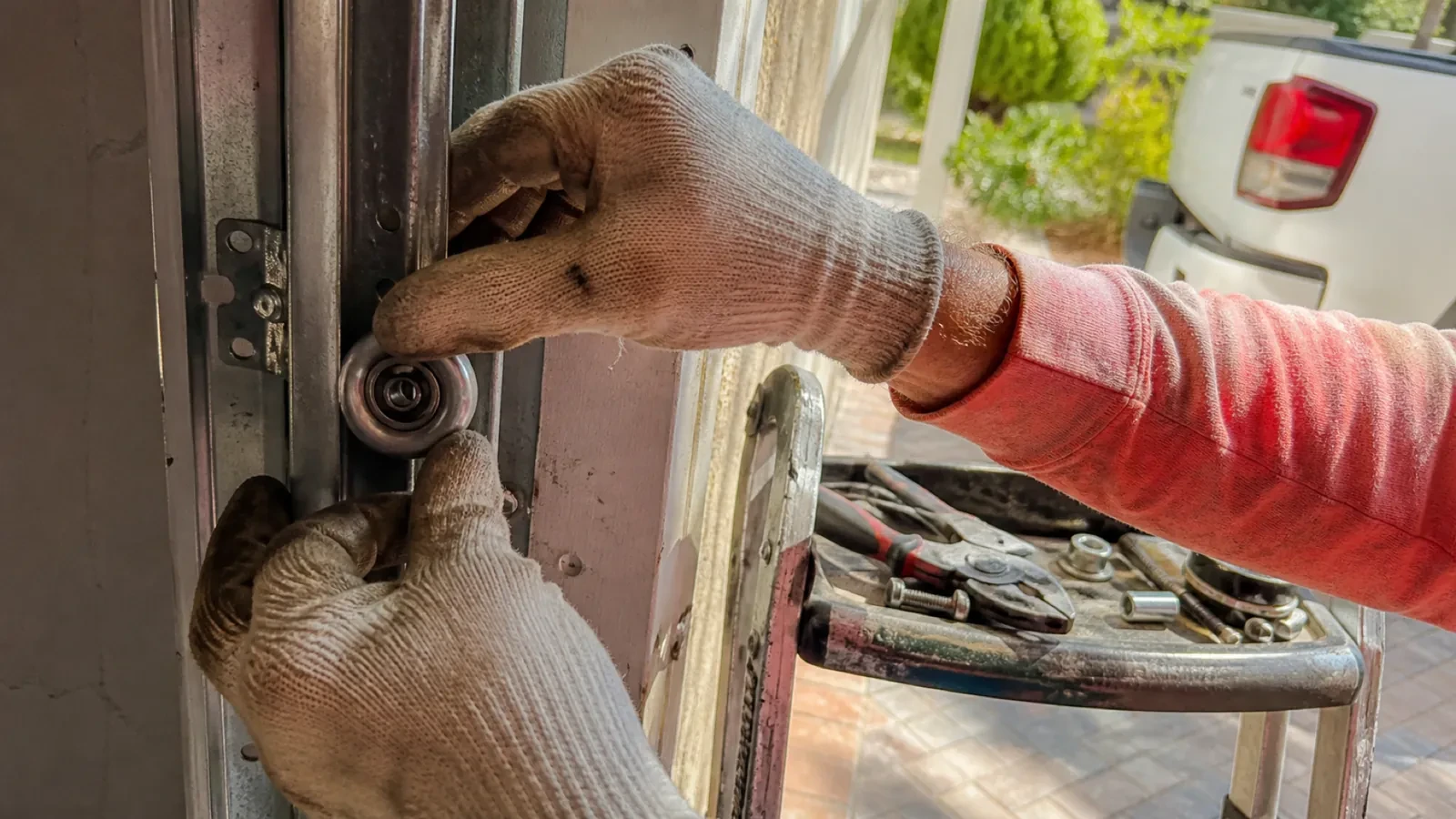
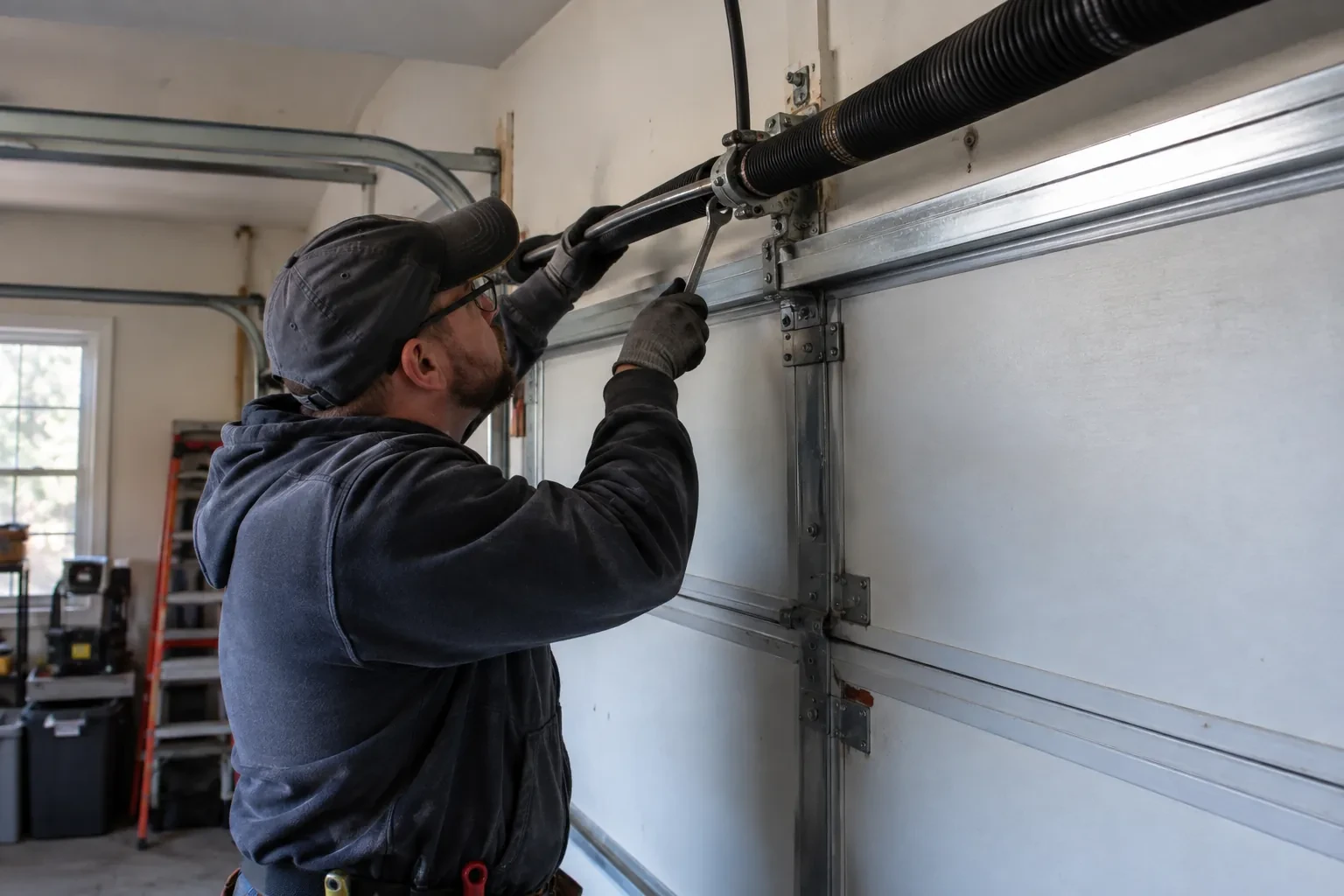
The bottom section is set level first, then additional sections are stacked in their intended order. Hinges join the sections so they can pivot through the curved track, and graduated edge hinges hold rollers at the correct distance from the door face. Reinforcement struts and the operator attachment point are fitted where specified. Throughout assembly, clamps and supports control movement while fasteners are secured. The result is a connected door curtain that follows the tracks evenly, with designated handles or gripping points available for manual use.
A clear route to manual operation
Power outages and maintenance visits are easier when the manual release is familiar before it is needed. Handover shows how the operator disconnects, where to stand and which handle provides a proper grip. The door is moved manually so the owner can feel its normal balance and understand the space it occupies overhead. Reconnection is demonstrated according to the operator instructions. The release remains unobstructed by storage, and vehicles or shelving stay outside the section trajectory, leaving a practical path for both powered and hand operation.
New-Construction Garage Door Installation
In the van
Bottom and perimeter seals
Graduated hinges
Track hangers and bracing
Counterbalance springs
Vertical and horizontal tracks
New-Construction Garage Door Installation
What affects the quote
Controls and access features
Wall stations, remote controls, exterior keypads and optional connected access each add components and setup. The quote can distinguish included controls from features selected later by the owner.
Construction sequencing
A clear installation window reduces conflicts with flooring, masonry, drywall and electrical crews. Split visits or changing site readiness add staging and coordination to the work.
Window design and glazing
The number, placement and type of windows affect manufacturing, section layout and door weight. Privacy, daylight and alignment across several doors can add selection and coordination work.
What to have ready
- Is the finished floor installed, level and at its final elevation?
- Will the garage include a vehicle lift or unusually tall parking?
- Which panel design, colour, insulation and window layout were selected?
New-Construction Garage Door Installation: questions
QuestionsWho handles permits or inspections for the garage door work?
Responsibility depends on the project, municipality and the wider building scope, so it should be named in the construction documents or proposal. The builder can confirm what approvals cover the opening, framing, electrical work and installed door. The door installer supplies relevant product and installation information for their scope. Keeping these roles explicit prevents an inspection assigned to one party from being assumed by another.
Which tests are performed before project handover?
The installer observes manual balance, level travel, roller guidance, cable tracking and how the closed door meets its seals. Track supports, fasteners and counterbalance attachments are reviewed. If powered operation is included, full cycles confirm travel limits and control response, followed by reversal and photoelectric protection tests. Manual release is also demonstrated. Results and any separate project items can then be recorded for closeout.
How can the installed door be protected during remaining construction?
Keep masonry, paint, plaster, floor coatings and abrasive dust away from sections, seals, tracks and rollers. Other trades should avoid leaning materials against the door or using horizontal tracks for storage or support. Controls can be managed so the system is operated only by authorized project personnel before handover. If protective covering is used, it should avoid trapping moisture or adhesive against the finished surface.
Related services
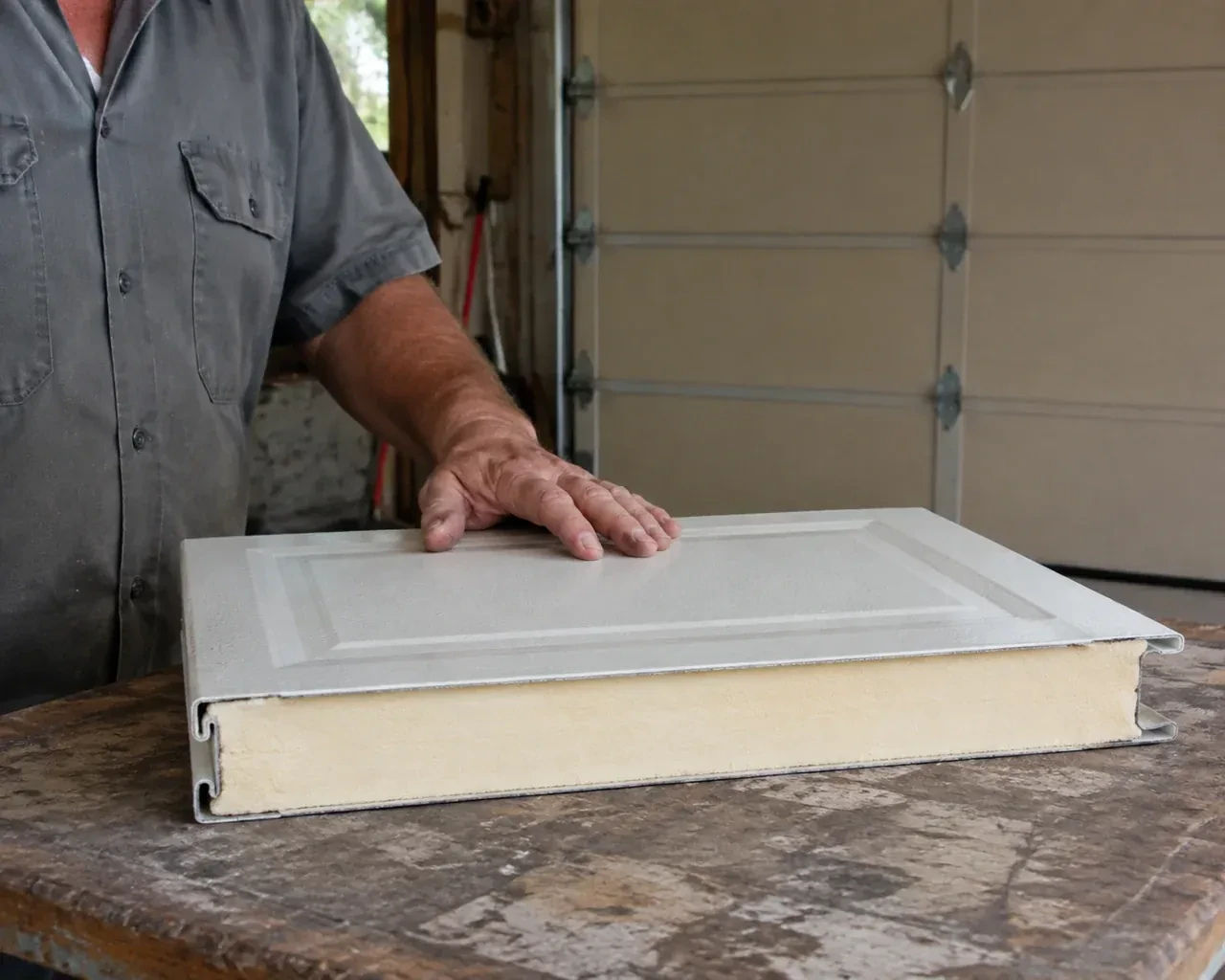
- Insulated Steel Garage Door InstallationDaylight appears beside the closed door and powdery snow collects just inside after windy weather.
- Wind-Rated Garage Door ReplacementA recent wind event left one section slightly creased, a strut twisted, and several track fasteners loose.
- Carriage-House Garage Door InstallationThe existing door has reached the point where panels, rollers and finish all look tired.