Springs · Waldau
Garage Door Roller Replacement in Waldau
A roller near the top corner is riding on the lip of the track rather than inside it, and the section above leans back a little more each week.
In plain words
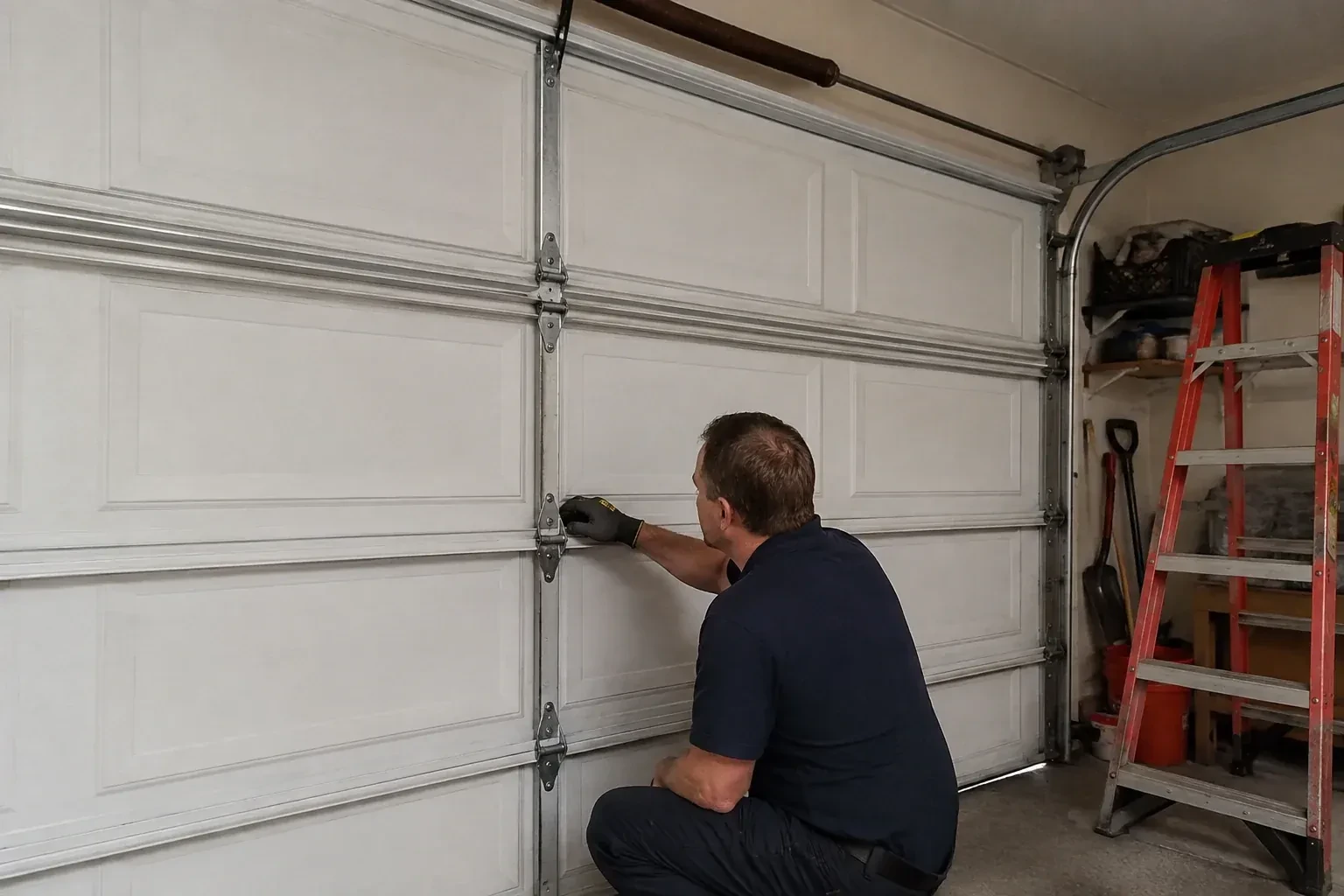
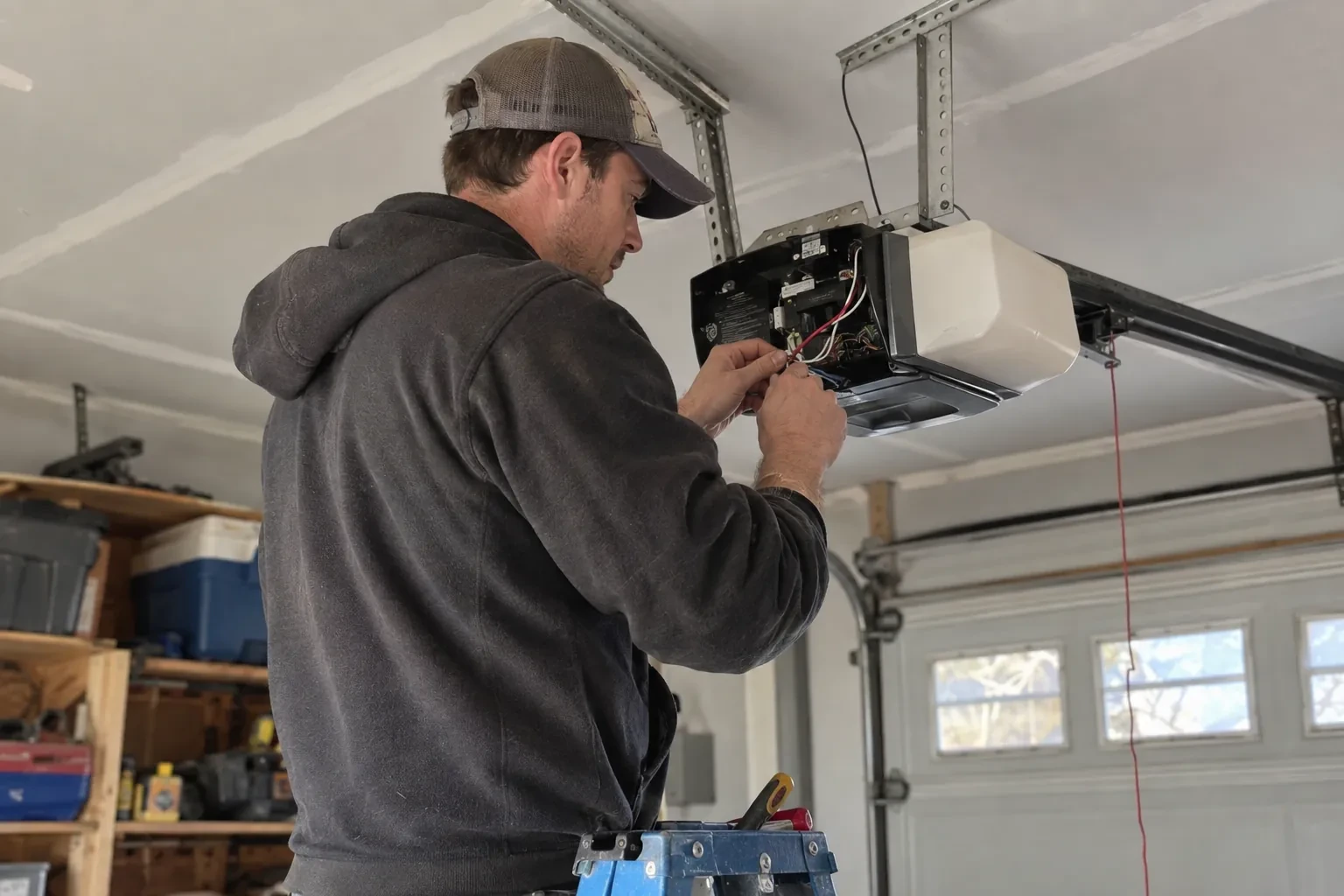
A garage door opener is designed to guide a balanced door, not to haul a rough one. Rollers that bind, wobble or grind add resistance across the whole travel, and the opener answers by working harder, running hotter and tripping its force limit or reversing partway. Replacing worn rollers with a smooth-running set takes that load away, which is why the opener often sounds calmer after the same visit. The technician confirms the door holds its own weight with the opener released, then checks the opener's force and reversal settings once the new rollers are in.
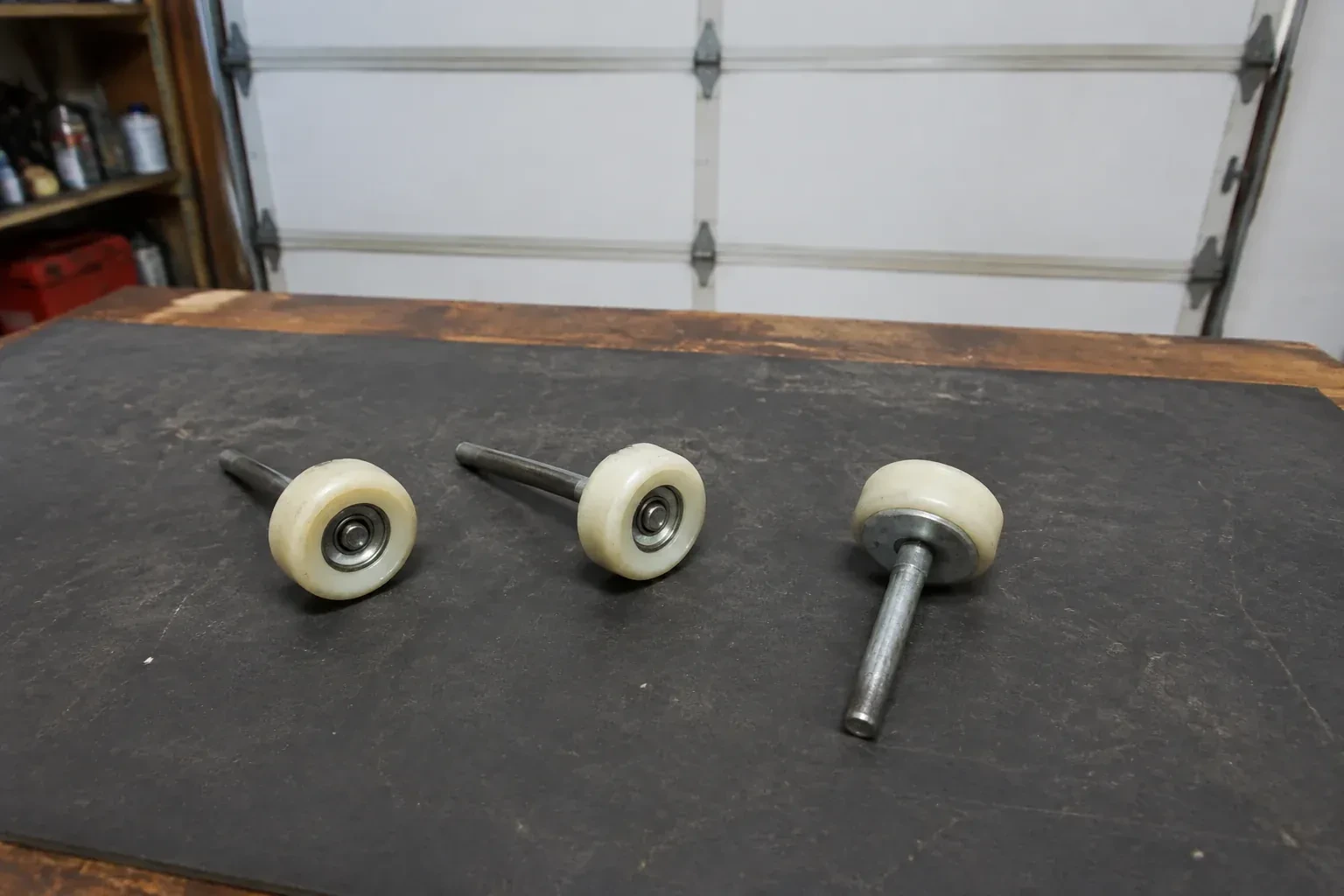
How the visit goesNew springs went in last year and the door balances well, yet it still clicks along the ceiling track like a train over rail joints. The wheels are the originals, worn to an oval, and the noise follows them from one end of the travel to the other.
Garage Door Roller Replacement
How the visit goes
What the winter left behind
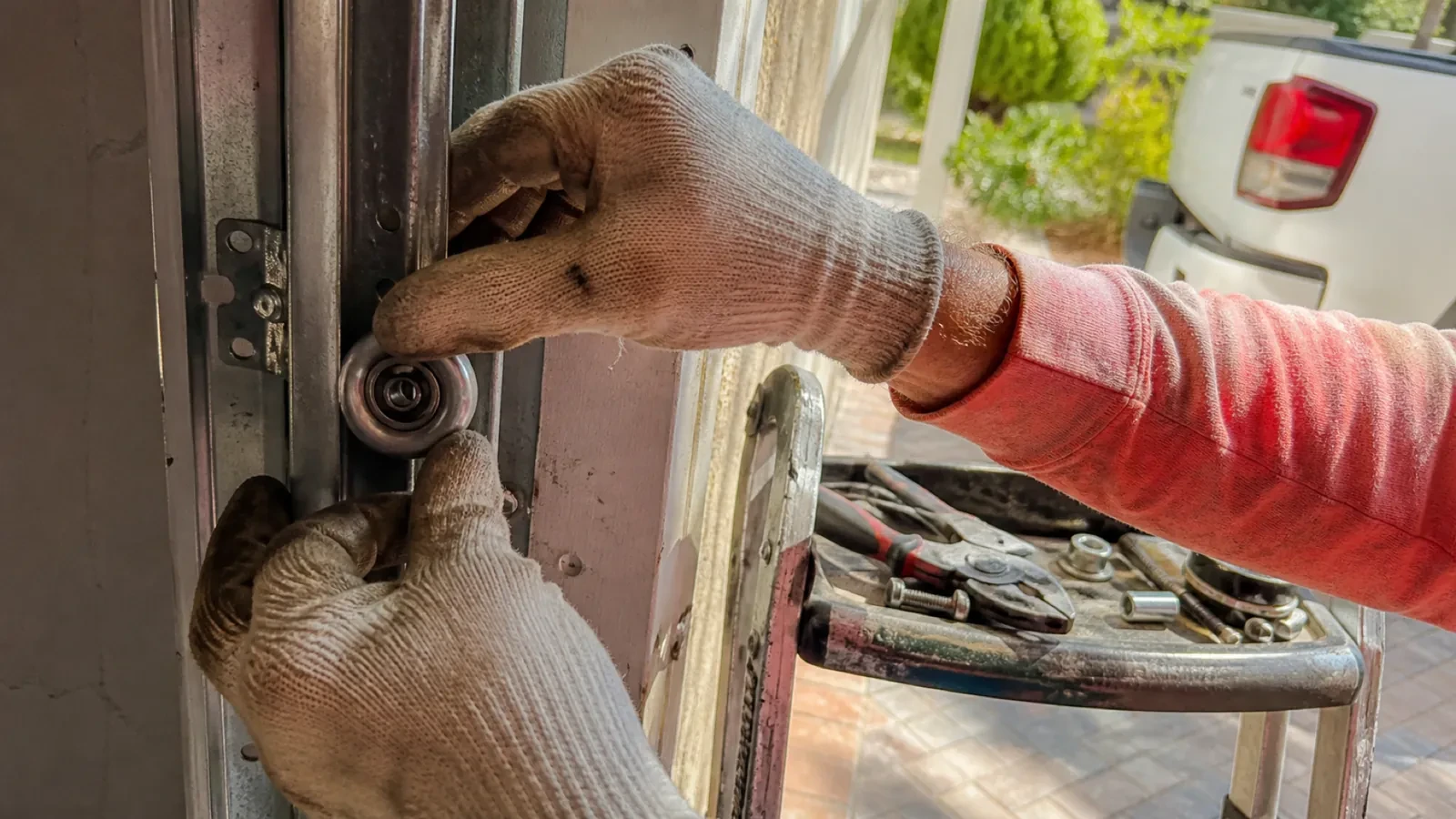
In this climate the foot of the track is where trouble collects. Slush and salt carried in on the tires settle in the bottom few inches, freeze overnight into ridges and leave a brine that attacks steel. The technician looks for corrosion on the bottom rollers and their stems, rust on the bottom brackets, ice damage or flat spots on wheels that have been skidding rather than turning, and the state of the lifting cables that share that wet corner. Finding salt damage here steers the recommendation toward sealed-bearing rollers and a thorough track cleaning, and occasionally toward new bottom brackets as well.
Running it in and testing
The opener is reconnected and the door is run through several full cycles while the technician watches each wheel stay seated in its track and listens for anything left over. Balance is rechecked with the opener released. Then the opener's settings are confirmed: the force limits, which may need reducing now that the door moves so freely, and the reversal, tested against a 1-1/2 inch block laid on the floor in the door's path exactly as the industry checklist describes. Only when the door travels smoothly, seals at the top and reverses on contact is the job called finished.
Planning the next set
New ball-bearing nylon rollers on a residential door typically give seven to ten years of ordinary use before they are due again, and sealed-bearing types often longer, while a door that cycles many times a day wears everything sooner. A sensible rule is to have the rollers looked at whenever the door is serviced and to replace them as a set when the springs are next changed, since both wear on a similar timeline and the door is already secured for the work. Industry guidance suggests a professional look at the whole door once a year, with rollers on the list.
Garage Door Roller Replacement
In the van
Garage door lubricant
Adjustable top fixtures
1-1/2 inch reversal test block
Track clamps or locking pliers
Two-inch nylon ball-bearing rollers
Garage Door Roller Replacement
What affects the quote
Relieving spring tension for the bottom rollers
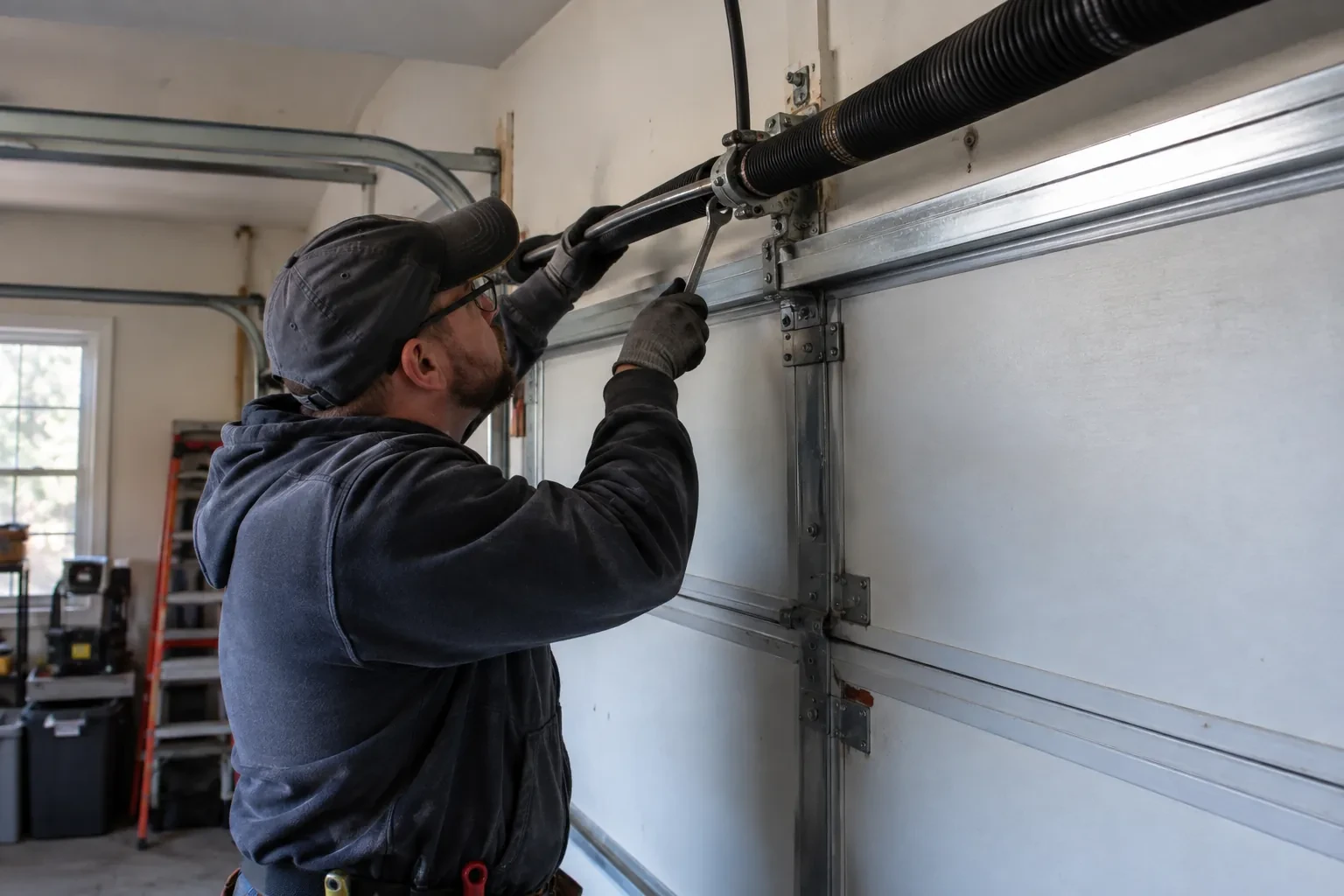
When the bottom brackets have to be unbolted, the technician takes the spring load off first with winding bars, skilled extra work that is included in the figure for that position.
Combining with spring or cable work
If springs or cables are being replaced in the same visit, the door is secured once and the roller set is added to that job, which is often more economical than a separate call.
Residential or commercial track
Three-inch commercial track takes larger, heavier rollers and usually a heavier door behind them, and both the parts and the method of securing the door differ from a residential job.
What to have ready
- Is there rust, slush or salt residue in the bottom of the track?
- Is the track the two-inch residential size or a wider commercial track?
- How many sections does the door have, and is it wood, insulated steel or single-skin?
Garage Door Roller Replacement: questions
QuestionsI lubricated everything and the grinding came back. Why?
Lubricant restores bearings and hinges that are still sound; it has nothing to offer a wheel worn oval, a nylon tire that has cracked, or bearings whose balls have pitted their race. When a spray settles the noise for a day or two and it returns, the wear is in the roller itself and replacement is the answer. Spray on the track or a plastic wheel can make matters worse by collecting grit, so the technician cleans that off as part of the job.
What lubricant is right for a garage door?
A lubricant made for garage doors, applied lightly to hinge knuckles, roller stems and the springs, following the door maker's own recommendation, since the right product and whether bearings are included varies by manufacturer. General-purpose penetrating oils are thin and wash away, and heavy grease attracts grit. Nothing goes on the track raceway or on a nylon or plastic wheel. The opener's chain or screw rail may take a lithium grease according to its manual, and the manual for your door names what its maker prefers.
Will new rollers make my door quieter?
Usually, and often dramatically. Rollers are the only part of the door that touches the track, so most of a door's clatter starts there. Moving from worn steel or bare plastic wheels to nylon ball-bearing rollers changes the sound more than any other single part. The rest of the quiet comes from the same visit: hinges lubricated, loose bolts tightened, the track squared so nothing rubs. Springs can still squeak on their own, and the technician can treat those separately.
Related services
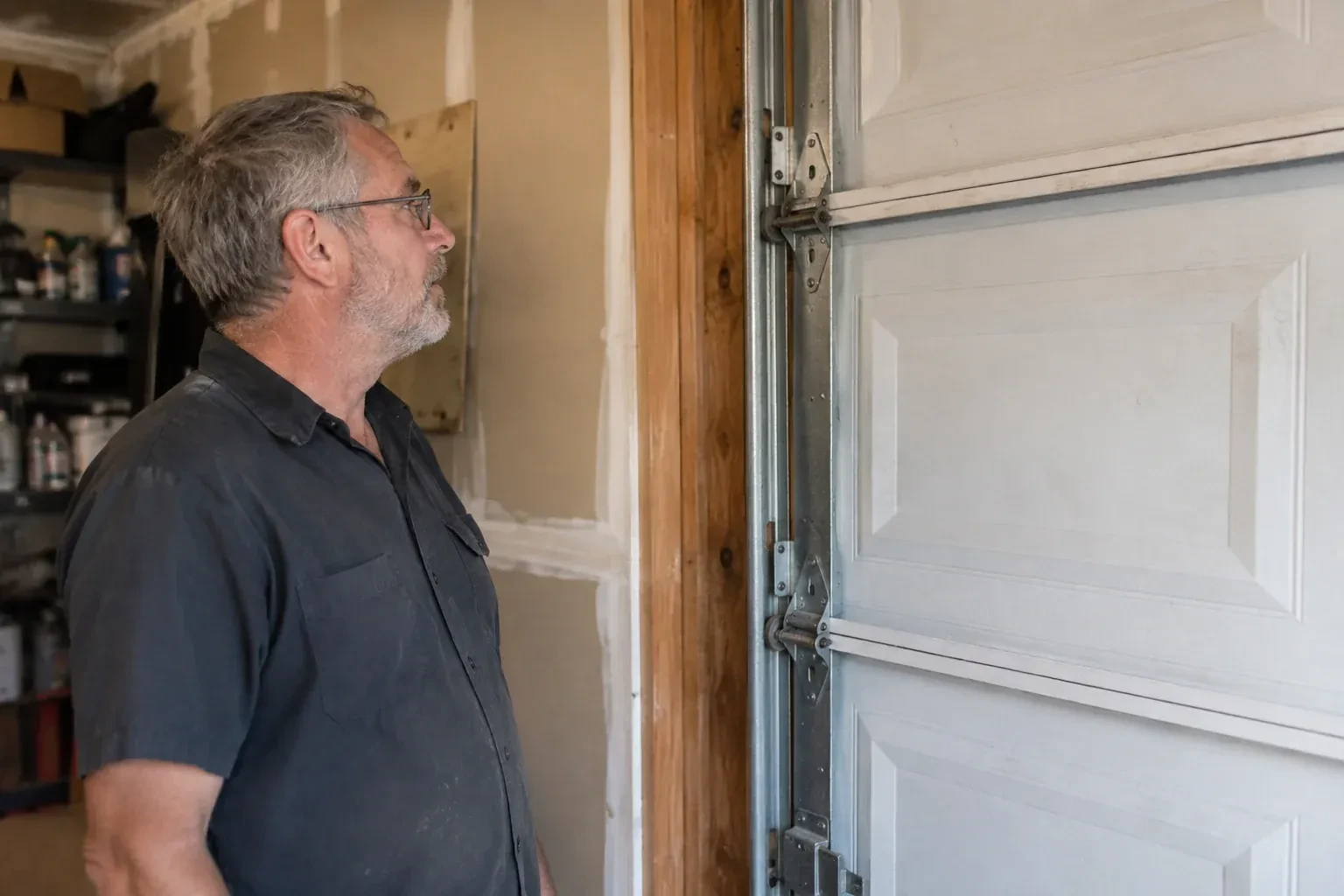
- Garage Door Track Repair or ReplacementHalfway up, the door lurches and one roller rides onto the lip of the channel.
- Garage Door Cable ReplacementThe cable has wrapped itself around the shaft above the door instead of sitting on its drum.
- Torsion Spring ReplacementYou heard a sharp bang from the garage, and now the opener hums for a second and gives up.